

The Currency of Thailand, officially known as the Thai Baht (THB), serves as the backbone of the nation’s vibrant economy, facilitating everything from street-side transactions to high-end international dealings. As one of Southeast Asia’s most visited destinations, understanding the Thai Baht and its ecosystem is essential for travelers, investors, and locals alike. This comprehensive guide delves into the intricacies of the Currency of Thailand, covering its official status, payment methods, banking systems, and more, while providing practical safety tips to ensure a secure experience.
Official currency of Thailand
The Currency of Thailand, the Thai Baht, is more than just a medium of exchange; it’s a symbol of the country’s rich history, economic evolution, and cultural identity. Introduced in the late 19th century during the reign of King Rama V, the Baht has undergone significant transformations, reflecting Thailand’s journey from an agrarian society to a modern, tech-savvy economy. Today, it stands as a stable currency in the ASEAN region, influenced by global markets, tourism, and domestic policies. This section explores the foundational aspects of the Thai Baht, including its denominations, historical context, and role in everyday life, offering insights into why it’s a cornerstone of Thai society.
History and Evolution of the Thai Baht
The Thai Baht was officially adopted in 1897, replacing various foreign and local currencies as part of King Chulalongkorn’s modernization efforts to standardize trade and reduce foreign influence. The Baht has faced challenges, notably during the 1997 Asian Financial Crisis, which significantly devalued it and affected Southeast Asian economies.
Analyzing its performance, the Baht has shown resilience, maintaining stability despite economic challenges, thanks largely to Thailand’s sound fiscal policies and interventions by the Bank of Thailand. Its mid-20th century peg to the US dollar provided trade predictability but also revealed vulnerabilities during global fluctuations. Today, the Baht integrates with fintech, facilitating online transactions, boosting investor confidence, and aiding tourists in currency exchange.
The cultural importance of the Baht is significant, with banknotes depicting Thai kings and historical figures, serving as a reminder of national heritage. This aspect can be seen as a form of education, where each transaction reflects a piece of history. However, rising inflation and digital currencies pose risks to this cultural significance, which could be addressed through educational campaigns by the central bank.
Denominations and Practical Usage

The Currency of Thailand, the Baht, comes in various denominations. Coins range from 1 to 10 Baht, and banknotes go up to 1,000 Baht, featuring anti-counterfeit measures like holograms and watermarks. Commonly used notes are 20 and 50 Baht, while larger ones are for significant purchases.
Knowing these denominations is essential to avoid overpayment and counterfeits. Tourists often neglect to familiarize themselves with the currency’s look and feel, risking scams. For instance, the frequently counterfeited 100 Baht note, depicting King Bhumibol Adulyadej, is a common target. To combat this, currency scanning apps can enhance security by verifying authenticity.
Additionally, the Baht plays a role in informal markets, facilitating social interactions and cultural exchanges through bargaining. This dual purpose—economic and social—shows the Baht’s flexibility but also complicates regulation. With Thailand moving towards cashless systems, there’s potential for innovation, such as Baht-linked digital tokens that maintain cultural aspects while improving efficiency.
Exchange Rates and Economic Impact
Exchange rates significantly influence the Thai Baht, shifting with factors like tourism, exports, and global events. Recently, the Baht has gained strength against weaker currencies, attracting budget travelers, yet it may weaken in economic downturns, impacting imports and inflation.
The Baht’s value reflects Thailand’s economic health. For example, during COVID-19, a steep decline occurred due to halted tourism, highlighting the currency’s sensitivity to external events. This challenge can be addressed by diversifying the economy through avenues like medical tourism and digital exports for long-term stability. Investors should track exchange rates via the Bank of Thailand’s website and utilize alert tools for informed decisions.
Moreover, exchange rates affect everyday people. A strong Baht can lower import costs, benefiting consumers but making Thai exports pricier. This situation necessitates balanced policies, and I believe enhanced financial literacy initiatives could help citizens manage fluctuations, possibly through basic investment apps linked to the Baht.
Regulatory Framework and Future Prospects
The Currency of Thailand is regulated by the Bank of Thailand, which implements monetary policies for stability. The Foreign Exchange Act manages capital flows to prevent excessive volatility of the Baht.
Future prospects include aligning with international standards and adopting sustainable practices in currency production. The rise of cryptocurrencies presents both challenges and opportunities; while they may threaten the Baht’s status, a regulated digital Baht could enhance its attractiveness. Envisioning a “Baht 2.0” with blockchain technology could transform transactions, making them faster and transparent while maintaining Thailand’s economic sovereignty.
Payment Methods in Thailand
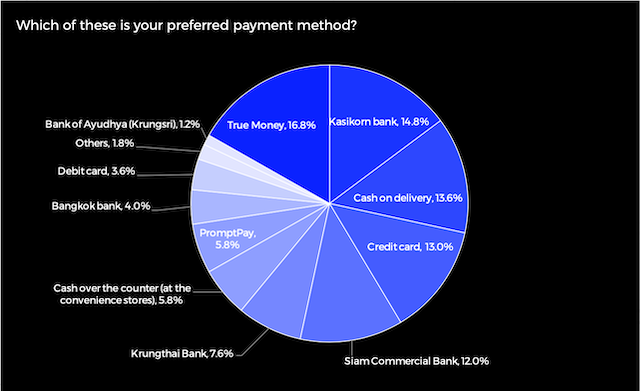
Payment methods in Thailand have rapidly changed, merging cash systems with modern digital solutions focused on the Currency of Thailand. From street vendors accepting mobile payments to luxury hotels providing credit card options, the environment shows a society evolving. This section explores how these methods enable smooth transactions influenced by tech advancements and consumer trends, while also noting possible challenges and innovations.
Cash-Based Transactions and Their Prevalence
Cash is still dominant in many areas of Thailand, with the Thai Baht being preferred for daily transactions. Vendors in night markets and rural regions typically use only cash, promoting trust and immediacy.
In rural settings, cash transactions support cultural practices, such as negotiating prices for fresh produce, which digital methods may undermine. This reliance showcases the tactile appeal of the Baht but also increases risks like theft or counterfeit bills, highlighting the need for better secure handling education.
As urbanization progresses, there’s a visible shift toward cashless options. However, cash’s persistence reveals a gap between tech-savvy city dwellers and traditional rural communities. Combining cash with digital wallets could bridge this divide, keeping the Currency of Thailand relevant in a digital age.
Credit and Debit Card Usage
Credit and debit cards have gained traction, allowing users to leverage the Currency of Thailand through international networks like Visa and Mastercard. Fees and acceptance rates vary, with urban areas boasting widespread compatibility.
The convenience of cards lies in their ability to defer payments or earn rewards, but high foreign transaction fees can erode savings. Analytically, this method suits travelers for its security features, like fraud protection, yet it demands vigilance against skimming devices at ATMs.
From a broader perspective, the rise in card usage signals Thailand’s integration into global finance, potentially boosting tourism. However, over-reliance could lead to debt issues, as seen in other economies, prompting a need for financial literacy campaigns tied to the Baht.
Mobile Payments and Emerging Technologies
Mobile payments, powered by apps like PromptPay, are revolutionizing how the Currency of Thailand is used, offering instant transfers via smartphones. This technology has exploded in popularity, especially post-pandemic.
The ease of scanning QR codes for payments enhances efficiency, reducing the need for physical currency. Personally, I view this as a game-changer for small businesses, enabling them to compete globally without hefty banking fees.
Yet, challenges like digital divides in remote areas persist. Creatively, expanding mobile infrastructure could democratize access, ensuring the Currency of Thailand evolves inclusively, perhaps through government-backed initiatives.
Alternative Payment Options
Beyond mainstream methods, options like installment plans and buy-now-pay-later services are emerging, all denominated in the Currency of Thailand. These cater to consumers seeking flexibility in purchases.
While innovative, they carry risks of over-indebtedness. From an analytical standpoint, this diversification strengthens economic resilience but requires robust regulations to protect users.
In summary, the fusion of traditional and modern payments enriches Thailand’s financial ecosystem, with the Currency of Thailand at its core.
Banking System in Thailand
Thailand’s banking system is a robust pillar supporting the Currency of Thailand, blending state-owned institutions with private players to drive economic growth. This network not only facilitates daily transactions but also underpins national stability, adapting to global trends while safeguarding against financial risks. Here’s an overview of the Banking System in Thailand, covering its structure, major banks, regulations, and services:
1. Central Bank
- Bank of Thailand (BoT) is the central bank of Thailand.
- It regulates and supervises financial institutions, formulates monetary policy, and ensures financial system stability.
- Website: https://www.bot.or.th/
2. Types of Banks in Thailand
Thailand’s banking sector includes:
Commercial Banks
- Offer full banking services (savings, loans, investment, foreign exchange).
- Examples: Bangkok Bank, Kasikorn Bank, Siam Commercial Bank, Krungthai Bank, Bank of Ayudhya (Krungsri).
Foreign Banks
- Operate as full branches or representative offices.
- Examples: HSBC, Standard Chartered, Citibank, UOB, DBS.
Specialized Financial Institutions (SFIs)
- Government-owned, focusing on specific policy objectives like housing or agriculture.
- Examples: Government Savings Bank (GSB), Bank for Agriculture and Agricultural Cooperatives (BAAC).
Finance and Leasing Companies
- Offer services like hire-purchase financing, leasing, and personal loans.
Services Offered
- Deposit accounts: savings, current, and fixed deposits
- Loans: personal, business, auto, housing
- Foreign exchange & remittances
- Mobile and internet banking
- Investment and wealth management services
- QR code and digital wallet payments (e.g., PromptPay)
Digital Banking and Fintech
- Thailand has embraced digital banking with widespread use of PromptPay, QR codes, and mobile apps.
- Banks like SCB, KBank, and Krungsri offer robust digital services.
- Virtual banking licenses are expected soon as the BoT supports fintech growth.
Regulation and Oversight
- The Bank of Thailand (BoT) sets and enforces regulations.
- BoT promotes financial inclusion, stability, and innovation while managing risks like cyber threats and household debt.
Banking Hours
- Typically Monday to Friday, 8:30 AM – 3:30 PM.
- Some branches in malls open on weekends and evenings for customer convenience.
Opening a Bank Account (for foreigners)
- Commonly accepted documents: passport, visa, work permit or proof of residence.
- Some banks allow tourists to open savings accounts with limited services.
- Popular accounts: Thai Baht savings accounts with ATM/debit cards.
Foreign Exchange in Thailand
Foreign exchange services for the Currency of Thailand enable seamless international trade and travel, managed through licensed bureaus and banks. This sector is vital for converting currencies, impacting tourism and exports profoundly.
Currency Conversion Services
Exchanging foreign money for the Currency of Thailand is straightforward at airports and hotels, with competitive rates.
Volatility in rates affects travelers; strategic timing can yield better deals. Analytically, this accessibility boosts the economy.
Factors Influencing Exchange Rates
Global events sway the Currency of Thailand‘s value, from oil prices to political stability.
Understanding these dynamics aids investors. Creatively, hedging tools could mitigate risks.
Legal Requirements for Exchangers
Strict laws govern foreign exchange to protect the Currency of Thailand from illicit activities.
Compliance ensures integrity, though bureaucracy can deter users. Reforms might streamline processes.
Risks and Best Practices
Fluctuations pose risks; best practices include using reputable sources. From a personal view, awareness is key to safe exchanges.
ATMs in Thailand
ATMs provide easy access to the Currency of Thailand, widespread in urban and rural areas. They offer convenience but come with fees and security concerns.
Availability and Network Coverage
ATMs are plentiful, linked to major banks for withdrawing the Currency of Thailand.
Coverage varies; rural areas may have limitations. Analytically, this infrastructure supports financial inclusion.
Fees and Withdrawal Limits
Fees can add up when accessing the Currency of Thailand via ATMs, especially for foreigners.
Limits protect users but require planning. Creatively, fee-free options could encourage usage.
Security Features and Common Scams
Advanced security deters fraud, but scams target ATM users of the Currency of Thailand.
Vigilance is essential; using well-lit machines helps. From insights, education campaigns are vital.
International ATM Compatibility
Global cards work with the Currency of Thailand ATMs, though charges apply.
This compatibility aids travelers, enhancing Thailand’s appeal.
Digital Wallets in Thailand
Digital wallets have become a significant part of Thailand’s payment methods. Usage surged from 2% in 2017 to 23% in 2022 for point-of-sale transactions, and they accounted for 25% of total e-commerce transaction value in 2022 . This growth is driven by convenience, low transaction fees, and government initiatives promoting cashless transactions.
Popular Digital Wallets in Thailand
1. TrueMoney Wallet
- One of Thailand’s most widely used e-wallets.
- Offers services like bill payments, mobile top-ups, and online shopping.
- Favored for its low merchant fees and extensive acceptance network .
2. Rabbit LINE Pay
- Integrated with the LINE messaging app.
- Popular for in-store payments, especially in urban areas.
- Supports promotions and loyalty programs.
3. ShopeePay
- Linked to the Shopee e-commerce platform.
- Used for online shopping, bill payments, and QR code payments.
- Offers cashback and discounts within the Shopee ecosystem.
4. mPay
- Operated by AIS, one of Thailand’s largest mobile operators.
- Provides services like mobile top-ups, bill payments, and online shopping.
5. GrabPay
- Integrated with the Grab app for ride-hailing and food delivery services.
- Used for in-app payments and at partner merchants.
6. K+ Wallet (Kasikornbank)
- A digital wallet service by Kasikornbank.
- Allows QR code payments, transaction history viewing, and balance inquiries.
- Features auto-saving of e-slips for user convenience .
Government’s Digital Wallet Scheme
In an effort to stimulate the economy, the Thai government launched a digital wallet scheme in September 2024.
- Objective: Boost economic growth and promote digital transactions.
- Benefit: Each eligible Thai citizen receives ฿10,000 (approximately $275).
- Eligibility: Thai citizens aged 16 and above with annual incomes below ฿840,000 and bank savings under ฿500,000.
- Usage Restrictions:
- Funds must be spent within the recipient’s registered district.
- Cannot be used for online purchases, alcohol, tobacco, fuel, or luxury items.
- Funds are non-withdrawable and must be used within six months.
- Implementation: Distributed via the “Thang Rath” app, developed by the Ministry of Digital Economy and Society .
Mistakes to Avoid
Common mistakes with the Currency of Thailand can lead to financial woes; avoiding them is crucial for a smooth experience.
Overlooking Exchange Rates
- Ignoring rates can cost dearly when dealing with the Currency of Thailand.
- Monitor them closely. Analytically, tools assist in this.
Falling for Scams
- Scams targeting the Currency of Thailand are prevalent; stay informed.
- Education is the best defense. Creatively, community alerts help.
Neglecting Security Measures
- Failing to secure the Currency of Thailand invites risks.
- Adopt best practices. From insights, proactive steps are vital.
Ignoring Local Customs
- Not understanding norms for the Currency of Thailand can cause faux pas.
- Respect cultural aspects.
Frequently Asked Questions
1. What is the currency of Thailand?
The official currency of Thailand is the Thai Baht, abbreviated as THB and symbolized as ฿.
2. What denominations are available in Thai currency?
Thai currency is available in both coins and banknotes:
-
Coins: 1, 2, 5, and 10 Baht; also small Satang coins (25 and 50 satang, though rarely used).
-
Banknotes: 20, 50, 100, 500, and 1,000 Baht.
3. Can I use US Dollars or other foreign currencies in Thailand?
No, Thailand primarily accepts Thai Baht. Foreign currencies are generally not accepted for payments, except at some hotels or tourist hotspots, and even then it’s rare.
4. Where can I exchange money in Thailand?
You can exchange currency at:
-
Banks
-
Licensed currency exchange booths
-
Airports (though exchange rates are usually less favorable)
-
Hotels (but rates may be less competitive)
5. Is it better to exchange money in my home country or in Thailand?
Generally, you’ll get better exchange rates in Thailand than abroad. Currency exchange counters in popular cities like Bangkok offer competitive rates.
6. Are ATMs widely available in Thailand?
Yes, ATMs are widely available across the country, including in cities, towns, and tourist areas. Most accept international cards, but a withdrawal fee (approx. ฿220) applies for foreign cards.
7. Can I use credit or debit cards in Thailand?
Yes, credit and debit cards (Visa, Mastercard, etc.) are accepted at many hotels, restaurants, and stores. However, cash is still widely used, especially in local markets and rural areas.
8. What is the current exchange rate for Thai Baht?
Exchange rates fluctuate daily. It’s best to check a trusted financial website, bank, or currency converter app for up-to-date rates.
9. Do I need to carry cash, or is Thailand mostly cashless?
While digital payments are growing, cash is essential, especially in local shops, food stalls, and transportation. Always carry some Thai Baht.
10. Are counterfeit notes a problem in Thailand?
It’s rare, but possible. To avoid this, exchange money at reputable places and familiarize yourself with what authentic notes look and feel like.
Conclusion
In summary, the Currency of Thailand—the Thai Baht—forms the foundation of a dynamic financial ecosystem, encompassing official currency details, diverse payment methods, a robust banking system, foreign exchange opportunities, ATM accessibility, digital wallets, cross-border payments, safety tips, common mistakes, and frequently asked questions. By understanding and navigating these elements with care, users can enjoy secure and efficient transactions, contributing to both personal financial health and Thailand’s economic vitality.