泰国的货币:付款方式,安全和保障提示

泰国货币泰铢,正式名称为泰铢(THB),是国家充满活力的经济的支柱,促进从街头交易到高端国际交易的一切。作为东南亚访问量最大的目的地之一,了解泰铢及其生态系统对于旅行者、投资者和当地人来说至关重要。这本综合指南深入探讨了复杂性 泰国货币,涵盖其官方状态、支付方式、银行系统等,同时提供实用的安全提示,以确保安全的体验。

泰国的官方货币

泰国货币泰铢不仅仅是一种交换媒介;它是该国丰富历史、经济发展和文化认同的象征。泰铢于 19 世纪末拉玛五世国王统治时期引入,经历了重大变革,反映了泰国从农业社会向现代科技经济的转变。如今,它是东盟地区的稳定货币,受到全球市场、旅游业和国内政策的影响。本节探讨泰铢的基本方面,包括其面额、历史背景和在日常生活中的作用,深入了解泰铢为何成为泰国社会的基石。

泰铢的历史和演变

泰铢 于 1897 年正式采用,取代了各种外币和本币,作为朱拉隆功国王标准化贸易和减少外国影响的现代化努力的一部分。泰铢面临挑战,特别是在 1997 年亚洲金融危机期间,泰铢大幅贬值并影响了东南亚经济体。

从其表现来看,泰铢表现出韧性,在面临经济挑战的情况下仍保持稳定,这主要归功于泰国稳健的财政政策和泰国央行的干预措施。 20世纪中叶与美元挂钩的做法提供了贸易可预测性,但也暴露了全球波动期间的脆弱性。如今,泰铢与金融科技融合,促进在线交易,增强投资者信心,并帮助游客进行货币兑换。

The cultural importance of the Baht is significant, with banknotes depicting Thai kings and historical figures, serving as a reminder of national heritage. This aspect can be seen as a form of education, where each transaction reflects a piece of history. However, rising inflation and digital currencies pose risks to this cultural significance, which could be addressed through educational campaigns by the central bank.

Denominations and Practical Usage

泰铢

泰国货币, the Baht, comes in various denominations. Coins range from 1 to 10 Baht, and banknotes go up to 1,000 Baht, featuring anti-counterfeit measures like holograms and watermarks. Commonly used notes are 20 and 50 Baht, while larger ones are for significant purchases.

Knowing these denominations is essential to avoid overpayment and counterfeits. Tourists often neglect to familiarize themselves with the currency’s look and feel, risking scams. For instance, the frequently counterfeited 100 Baht note, depicting King Bhumibol Adulyadej, is a common target. To combat this, currency scanning apps can enhance security by verifying authenticity.

Additionally, the Baht plays a role in informal markets, facilitating social interactions and cultural exchanges through bargaining. This dual purpose—economic and social—shows the Baht’s flexibility but also complicates regulation. With Thailand moving towards cashless systems, there’s potential for innovation, such as Baht-linked digital tokens that maintain cultural aspects while improving efficiency.

Exchange Rates and Economic Impact

Exchange rates significantly influence the 泰铢, shifting with factors like tourism, exports, and global events. Recently, the Baht has gained strength against weaker currencies, attracting budget travelers, yet it may weaken in economic downturns, impacting imports and inflation.

The Baht’s value reflects Thailand’s economic health. For example, during COVID-19, a steep decline occurred due to halted tourism, highlighting the currency’s sensitivity to external events. This challenge can be addressed by diversifying the economy through avenues like medical tourism and digital exports for long-term stability. Investors should track exchange rates via the Bank of Thailand’s website and utilize alert tools for informed decisions.

Moreover, exchange rates affect everyday people. A strong Baht can lower import costs, benefiting consumers but making Thai exports pricier. This situation necessitates balanced policies, and I believe enhanced financial literacy initiatives could help citizens manage fluctuations, possibly through basic investment apps linked to the Baht.

Regulatory Framework and Future Prospects

泰国货币 is regulated by the Bank of Thailand, which implements monetary policies for stability. The Foreign Exchange Act manages capital flows to prevent excessive volatility of the Baht.

Future prospects include aligning with international standards and adopting sustainable practices in currency production. The rise of cryptocurrencies presents both challenges and opportunities; while they may threaten the Baht’s status, a regulated digital Baht could enhance its attractiveness. Envisioning a “Baht 2.0” with blockchain technology could transform transactions, making them faster and transparent while maintaining Thailand’s economic sovereignty.

Payment Methods in Thailand

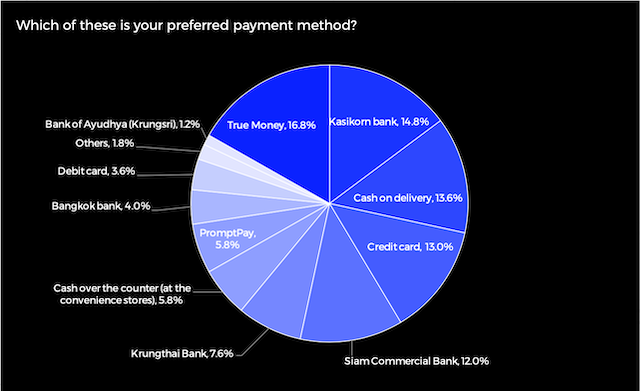
The Most Popular Payment Methods in Thailand

Payment methods in Thailand have rapidly changed, merging cash systems with modern digital solutions focused on the 泰国货币。从接受移动支付的街头小贩到提供信用卡选择的豪华酒店,环境表明社会正在不断发展。本节探讨这些方法如何在技术进步和消费者趋势的影响下实现顺利交易,同时也指出可能的挑战和创新。

基于现金的交易及其普遍程度

现金在泰国许多地区仍占主导地位 泰铢 是日常交易的首选。夜市和农村地区的商贩通常只使用现金,以促进信任和即时性。

在农村地区,现金交易支持文化习俗,例如新鲜农产品的谈判价格,而数字方法可能会破坏这种文化习俗。这种依赖展示了泰铢的触觉吸引力,但也增加了盗窃或假钞等风险,凸显了更好的安全处理教育的必要性。

随着城市化进程的推进,人们明显转向无现金选择。然而,现金的持续存在揭示了精通科技的城市居民与传统农村社区之间的差距。将现金与数字钱包相结合可以弥合这一鸿沟,保持 泰国货币 与数字时代相关。

信用卡和借记卡使用

信用卡和借记卡已获得青睐,允许用户利用 泰国货币 通过 Visa 和 Mastercard 等国际网络。费用和录取率各不相同,城市地区具有广泛的兼容性。

The convenience of cards lies in their ability to defer payments or earn rewards, but high foreign transaction fees can erode savings. Analytically, this method suits travelers for its security features, like fraud protection, yet it demands vigilance against skimming devices at ATMs.

From a broader perspective, the rise in card usage signals Thailand’s integration into global finance, potentially boosting tourism. However, over-reliance could lead to debt issues, as seen in other economies, prompting a need for financial literacy campaigns tied to the Baht.

Mobile Payments and Emerging Technologies

由 PromptPay 等应用程序提供支持的移动支付正在彻底改变支付方式 泰国货币 使用,通过智能手机提供即时传输。这项技术迅速普及,尤其是在大流行之后。

扫描二维码进行支付的便捷性提高了效率,减少了对实物货币的需求。就我个人而言,我认为这对小企业来说是一个游戏规则改变者,使他们能够在不收取高额银行费用的情况下进行全球竞争。

然而,偏远地区的数字鸿沟等挑战依然存在。创造性地,扩大移动基础设施可以实现接入民主化,确保 泰国货币 或许通过政府支持的举措,包容性地发展。

其他付款方式

除了主流方法之外,分期付款和先买后付服务等选项正在出现,所有这些都以 泰国货币. These cater to consumers seeking flexibility in purchases.

While innovative, they carry risks of over-indebtedness. From an analytical standpoint, this diversification strengthens economic resilience but requires robust regulations to protect users.

In summary, the fusion of traditional and modern payments enriches Thailand’s financial ecosystem, with the 泰国货币 at its core.

Banking System in Thailand

Thailand’s banking system is a robust pillar supporting the 泰国货币, blending state-owned institutions with private players to drive economic growth. This network not only facilitates daily transactions but also underpins national stability, adapting to global trends while safeguarding against financial risks. Here’s an overview of the Banking System in Thailand, covering its structure, major banks, regulations, and services:

1. Central Bank

  • Bank of Thailand (BoT) is the central bank of Thailand.
  • It regulates and supervises financial institutions, formulates monetary policy, and ensures financial system stability.
  • 网站: https://www.bot.or.th/

2. Types of Banks in Thailand

Thailand’s banking sector includes:

Commercial Banks

  • Offer full banking services (savings, loans, investment, foreign exchange).
  • Examples: Bangkok Bank, Kasikorn Bank, Siam Commercial Bank, Krungthai Bank, Bank of Ayudhya (Krungsri).

Foreign Banks

  • Operate as full branches or representative offices.
  • Examples: HSBC, Standard Chartered, Citibank, UOB, DBS.

Specialized Financial Institutions (SFIs)

  • Government-owned, focusing on specific policy objectives like housing or agriculture.
  • Examples: Government Savings Bank (GSB), Bank for Agriculture and Agricultural Cooperatives (BAAC).

Finance and Leasing Companies

  • Offer services like hire-purchase financing, leasing, and personal loans.

Services Offered

  • Deposit accounts: savings, current, and fixed deposits
  • Loans: personal, business, auto, housing
  • Foreign exchange & remittances
  • Mobile and internet banking
  • Investment and wealth management services
  • QR code and digital wallet payments (e.g., PromptPay)

Digital Banking and Fintech

  • Thailand has embraced digital banking with widespread use of PromptPay, QR codes, and mobile apps.
  • Banks like SCB, KBank, and Krungsri offer robust digital services.
  • Virtual banking licenses are expected soon as the BoT supports fintech growth.

Regulation and Oversight

  • The Bank of Thailand (BoT) sets and enforces regulations.
  • BoT promotes financial inclusion, stability, and innovation while managing risks like cyber threats and household debt.

Banking Hours

  • Typically Monday to Friday, 8:30 AM – 3:30 PM.
  • Some branches in malls open on weekends and evenings for customer convenience.

Opening a Bank Account (for foreigners)

  • Commonly accepted documents: passport, visa, work permit or proof of residence.
  • Some banks allow tourists to open savings accounts with limited services.
  • Popular accounts: Thai Baht savings accounts with ATM/debit cards.

Foreign Exchange in Thailand

Foreign exchange services for the 泰国货币 enable seamless international trade and travel, managed through licensed bureaus and banks. This sector is vital for converting currencies, impacting tourism and exports profoundly.

Currency Conversion Services

Exchanging foreign money for the 泰国货币 is straightforward at airports and hotels, with competitive rates.

Volatility in rates affects travelers; strategic timing can yield better deals. Analytically, this accessibility boosts the economy.

Factors Influencing Exchange Rates

Global events sway the 泰国货币‘s value, from oil prices to political stability.

Understanding these dynamics aids investors. Creatively, hedging tools could mitigate risks.

Legal Requirements for Exchangers

Strict laws govern foreign exchange to protect the 泰国货币 from illicit activities.

Compliance ensures integrity, though bureaucracy can deter users. Reforms might streamline processes.

Risks and Best Practices

Fluctuations pose risks; best practices include using reputable sources. From a personal view, awareness is key to safe exchanges.

ATMs in Thailand

ATMs provide easy access to the 泰国货币, widespread in urban and rural areas. They offer convenience but come with fees and security concerns.

Availability and Network Coverage

ATMs are plentiful, linked to major banks for withdrawing the 泰国货币

Coverage varies; rural areas may have limitations. Analytically, this infrastructure supports financial inclusion.

Fees and Withdrawal Limits

Fees can add up when accessing the 泰国货币 via ATMs, especially for foreigners.

Limits protect users but require planning. Creatively, fee-free options could encourage usage.

Security Features and Common Scams

Advanced security deters fraud, but scams target ATM users of the 泰国货币

Vigilance is essential; using well-lit machines helps. From insights, education campaigns are vital.

International ATM Compatibility

Global cards work with the 泰国货币 ATMs, though charges apply.

This compatibility aids travelers, enhancing Thailand’s appeal.

Digital Wallets in Thailand

Digital wallets have become a significant part of Thailand’s payment methods. Usage surged from 2% in 2017 to 23% in 2022 for point-of-sale transactions, and they accounted for 25% of total e-commerce transaction value in 2022 . This growth is driven by convenience, low transaction fees, and government initiatives promoting cashless transactions.

Popular Digital Wallets in Thailand

1. TrueMoney Wallet

  • One of Thailand’s most widely used e-wallets.
  • Offers services like bill payments, mobile top-ups, and online shopping.
  • Favored for its low merchant fees and extensive acceptance network .

2. Rabbit LINE Pay

  • Integrated with the LINE messaging app.
  • Popular for in-store payments, especially in urban areas.
  • Supports promotions and loyalty programs.

3. ShopeePay

  • 链接至Shopee电商平台。
  • 用于网上购物、账单支付、二维码支付。
  • 在 Shopee 生态系统内提供现金返还和折扣。

4.移动支付

  • 由泰国最大的移动运营商之一 AIS 运营。
  • 提供手机充值、账单支付、网上购物等服务​​。

5. GrabPay

  • 与 Grab 应用程序集成,提供叫车和送餐服务。
  • 用于应用内支付和合作伙伴商家支付。

6.K+钱包(开泰银行)

  • 开泰银行提供的数字钱包服务。
  • 支持二维码支付、交易历史查看、余额查询。
  • 具有自动保存电子单据的功能,方便用户。

政府的数字钱包计划

为了刺激经济,泰国政府于 2024 年 9 月推出了数字钱包计划。

  • 客观的: 促进经济增长并促进数字交易。
  • 益处: 每位符合资格的泰国公民可获得 10,000 泰铢(约合 275 美元)。
  • 合格: 16岁及以上、年收入低于84万泰铢、银行存款低于50万泰铢的泰国公民。
  • 使用限制:
    • 资金必须在接收者的注册区内使用。
    • 不能用于在线购买、酒精、烟草、燃料或奢侈品。
    • 资金不可提取,且必须在六个月内使用。
  • 执行: 通过数字经济和社会部开发的“Thang Rath”应用程序分发。

要避免的错误

常见错误 泰国货币 可能导致财务困境;避免它们对于流畅的体验至关重要。

忽视汇率

  • Ignoring rates can cost dearly when dealing with the 泰国货币
  • Monitor them closely. Analytically, tools assist in this.

Falling for Scams

  • Scams targeting the 泰国货币 are prevalent; stay informed.
  • Education is the best defense. Creatively, community alerts help.

Neglecting Security Measures

  • Failing to secure the 泰国货币 invites risks.
  • Adopt best practices. From insights, proactive steps are vital.

Ignoring Local Customs

  • Not understanding norms for the 泰国货币 can cause faux pas.
  • Respect cultural aspects.

经常问的问题

1. What is the currency of Thailand?

The official currency of Thailand is the Thai Baht, abbreviated as THB and symbolized as ฿.

2. What denominations are available in Thai currency?

Thai currency is available in both coins and banknotes:

  • Coins:1、2、5 和 10 泰铢;还有小Satang硬币(25和50 satang,尽管很少使用)。

  • 纸币:20、50、100、500 和 1,000 泰铢。

3. 我可以在泰国使用美元或其他外币吗?

不,泰国主要接受泰铢。除某些酒店或旅游热点外,一般不接受外币付款,但即便如此,这种情况也很少见。

4. 泰国哪里可以兑换货币?

您可以在以下地点兑换货币:

  • 银行

  • 持牌货币兑换亭

  • 机场(尽管汇率通常不太有利)

  • 酒店(但价格可能不太有竞争力)

5. 在国内换钱好还是在泰国换钱好?

Generally, you’ll get better exchange rates in Thailand than abroad. Currency exchange counters in popular cities like Bangkok offer competitive rates.

6. Are ATMs widely available in Thailand?

Yes, ATMs are widely available across the country, including in cities, towns, and tourist areas. Most accept international cards, but a withdrawal fee (approx. ฿220) applies for foreign cards.

7. Can I use credit or debit cards in Thailand?

Yes, credit and debit cards (Visa, Mastercard, etc.) are accepted at many hotels, restaurants, and stores. However, cash is still widely used, especially in local markets and rural areas.

8. What is the current exchange rate for Thai Baht?

Exchange rates fluctuate daily. It’s best to check a trusted financial website, bank, or currency converter app for up-to-date rates.

9. Do I need to carry cash, or is Thailand mostly cashless?

While digital payments are growing, cash is essential, especially in local shops, food stalls, and transportation. Always carry some Thai Baht.

10. Are counterfeit notes a problem in Thailand?

It’s rare, but possible. To avoid this, exchange money at reputable places and familiarize yourself with what authentic notes look and feel like.

结论

In summary, the 泰国货币—the Thai Baht—forms the foundation of a dynamic financial ecosystem, encompassing official currency details, diverse payment methods, a robust banking system, foreign exchange opportunities, ATM accessibility, digital wallets, cross-border payments, safety tips, common mistakes, and frequently asked questions. By understanding and navigating these elements with care, users can enjoy secure and efficient transactions, contributing to both personal financial health and Thailand’s economic vitality.