

Ninoy Aquino International Airport, also known as NAIA, serves as the main international gateway into the Philippines. It is located in Pasay City, just a short distance from the bustling heart of Manila. With its rich history and a vital role in connecting travelers to the diverse landscapes and cultures of the Philippines, this airport offers more than just a transit point; it’s a starting line for endless adventures.
Introducing Ninoy Aquino International Airport, Manila
Ninoy Aquino International Airport (NAIA), also known as Manila International Airport, is the main gateway to the Philippines and serves as a hub for both domestic and international flights. Located in Pasay City and Parañaque City, Metro Manila, NAIA is one of Southeast Asia’s busiest airports, connecting the Philippines to destinations worldwide.
Overview of NAIA
- Location: Approximately 12 Km south of Manila city center.
- IATA Code: MNL
- Country code: +63
- Tel: +63 28771109
- Station number: 4
- GMT: +8
- Official Name: Named after Benigno “Ninoy” Aquino Jr., a prominent Filipino political figure.
- Airlines Served: Includes Philippine Airlines, Cebu Pacific, AirAsia Philippines, and many international carriers like Emirates, Singapore Airlines, and Cathay Pacific.
Location and Accessibility
Situated approximately 12 kilometers away from the central district of Manila, Ninoy Aquino International Airport boasts convenient access to the broader metropolitan area. Major thoroughfares and arterial roads make it easily navigable for visitors arriving at this key transport hub.
The airport’s proximity to attractions like Mall of Asia and the vibrant nightlife of Metro Manila further enhances its appeal. As the Philippines continues to develop as a tourist destination, Ninoy Aquino International Airport will remain at the forefront, evolving to meet the needs of travelers from all corners of the globe.
Traffic and Passenger Volume
In 2019, Ninoy Aquino International Airport welcomed nearly 48 million passengers, solidifying its status as one of the 50 busiest airports worldwide. This figure represents a growth of 6.3% from the previous year, reflecting the increasing demand for air travel in the region.
As the number of international tourists visiting the Philippines rises, projections indicate that the airport’s capacity will need to expand significantly in the coming years. Plans are underway to accommodate over 60 million passengers per year, ensuring that Ninoy Aquino International Airport remains equipped to handle the ever-growing influx of travelers.
Time from the Airport to Central Manila
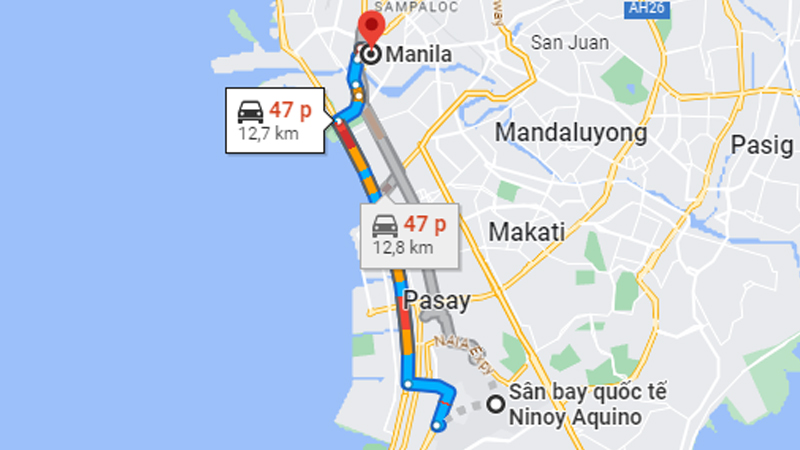
Travelers planning their arrival at Ninoy Aquino International Airport can anticipate varying travel times depending on the mode of transportation chosen. On average, the journey to the heart of Manila takes anywhere from 20 to 30 minutes, making it a straightforward transition from the airport to the city center.
Factors Affecting Travel Time
Several factors contribute to the overall duration of travel from the airport to Manila’s core. Among these are traffic conditions, time of day, and the chosen route.
During peak hours, the roads leading to and from the airport can become congested, extending travel times significantly. Conversely, during late-night or early-morning hours, travelers may find themselves enjoying a much smoother ride toward their final destinations.
Choosing Your Departure Time Wisely
When planning your arrival, consider the time of day. It is advisable to avoid peak rush hours whenever possible to ensure a swifter journey. Furthermore, staying informed about local events, holidays, and other occasions that may affect traffic flow can help in planning a timely departure from the airport.
How to Get from the Airport to Central Manila
Upon landing at Ninoy Aquino International Airport, several transportation options are available for traversing the short distance to downtown Manila. Each option presents unique advantages and disadvantages, allowing travelers to choose according to personal preferences, schedules, and budgets.
UBE Express Bus
The UBE Express bus service operates five different routes between Ninoy Aquino International Airport and various locations in Metro Manila. At a reasonable fare, travelers can enjoy a comfortable ride while avoiding the hassle of navigating busy streets. Common destinations include:
- Mall of Asia: A popular shopping and entertainment complex.
- Metro Manila: A broad route covering multiple destinations throughout the metropolitan area.
- Park Square Ayala: A commercial center known for its shops and restaurants.
These buses provide a reliable and cost-effective option for those looking to travel between the airport and central Manila without breaking the bank.
Taxi Services
For travelers seeking convenience and flexibility, taxis are readily available outside each terminal at Ninoy Aquino International Airport. This form of transportation is particularly favorable for those traveling in larger groups or with heavy luggage.
Taxi prices vary based on the type of service utilized. Options include:
- Coupon Taxi: Offers fixed rates, giving riders peace of mind about costs.
- Metered Taxi: Charges based on distance traveled and time taken.
- Yellow Metered Taxi: Requires payment by meter and generally charges slightly higher fares.
Choosing a taxi ensures quick and direct transport from the airport to your desired location, although higher fares may apply compared to bus services.
The History of Ninoy Aquino International Airport
To understand the significance of Ninoy Aquino International Airport today, one must delve into its fascinating history. Since its inception, the airport has evolved considerably to adapt to changing aviation demands and serve a growing population of travelers.
Early Beginnings
Initially known as Nielson Airport when it opened in 1937, the facility was the first to serve Manila. As air travel gained popularity post-World War II, the Philippine government recognized the need for a more expansive and modern airport. In 1948, the airport was relocated to its current location in Pasay City.
Progress Through the Decades
Over the decades, Ninoy Aquino International Airport underwent numerous renovations and expansions, including the construction of new terminals and runways to accommodate the increasing passenger traffic. Notable developments included the introduction of international flights in the mid-1950s and the establishment of the first dedicated passenger terminal in 1961.
The airport continued to flourish through the latter half of the 20th century, adapting to technological advancements and the ever-changing landscape of global travel. Unfortunately, tragedies such as fires and natural disasters have periodically challenged its infrastructure, necessitating ongoing upgrades and repairs.
Structure and Infrastructure of Manila Airport
Today, Ninoy Aquino International Airport comprises four terminals, each uniquely designed to accommodate different types of flights and airlines. This diversity allows for efficient processing of both domestic and international travelers.

Runways
Ninoy Aquino International Airport features two primary runways, designated for different purposes:
- Main Runway: Measuring 3,737 meters, this runway handles the majority of international flights entering and departing from the airport.
- Secondary Runway: At 2,367 meters, this runway assists in managing air traffic efficiently while ensuring safety protocols are adhered to.
The careful planning and structuring of runways play a crucial role in maintaining seamless operations within one of the busiest airports in the world.
Aircraft Parking Facilities
Another noteworthy aspect of Ninoy Aquino International Airport is its ability to cater to a range of aircraft sizes. From mid-size jets to large commercial airplanes like the Airbus A380 and Boeing 787, the parking facilities ensure ample space for all types of aircraft.
This versatility enables the airport to accommodate high volumes of travelers simultaneously, ensuring minimal wait times and maximizing passenger satisfaction.
Passenger Terminals
With four functional passenger terminals, Ninoy Aquino International Airport provides excellent amenities and services for travelers, both arriving and departing. Each terminal serves distinct airlines and regions, streamlining the traveling experience.
Terminal 1 (T1)
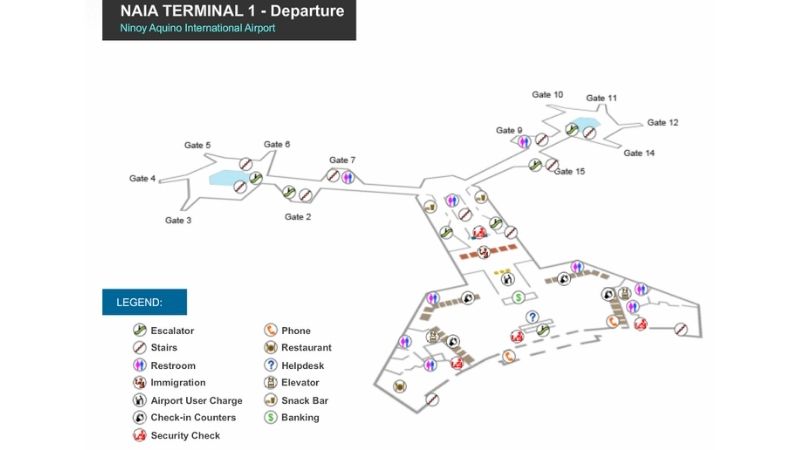

Known as Ninoy Aquino Terminal, T1 is the airport’s oldest terminal, inaugurated in 1981. Spanning 73,000 square meters, it handles international flights for Philippine Airlines, ensuring timely and efficient boarding processes.
Departure and Arrival Areas Passengers can expect numerous amenities within T1, such as dining options, lounges, and duty-free shops to enhance their experience. The layout facilitates easy movement between departure and arrival areas, ensuring smooth transitions for travelers.
Terminal 2 (T2)
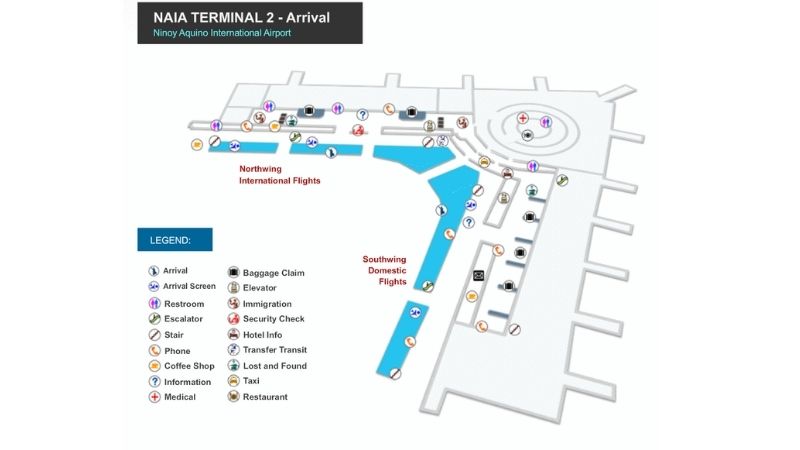

Dedicated primarily to Philippine Airlines and PAL Express, Terminal 2 accommodates both domestic and international flights. With a capacity of 5 million domestic and 2.5 million international passengers annually, it is pivotal in facilitating seamless connections for travelers.
North and South Divisions T2 features distinct sections for domestic and international travelers, enhancing efficiency during check-in procedures and customs processing. The well-designed layout reduces congestion, improving the overall travel experience.
Terminal 3 (T3)

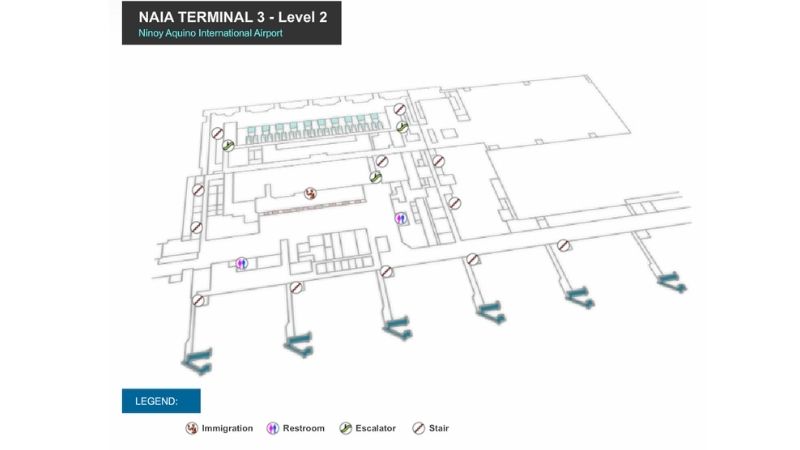


Operational since 2008, Terminal 3 is one of the newest additions to Ninoy Aquino International Airport. Designed to handle up to 13 million passengers per year, T3 accommodates various international carriers, expanding the airport’s reach.
Modern Amenities and Facilities Terminal 3 boasts contemporary architecture and state-of-the-art facilities, offering travelers a range of services including lounges, retail outlets, and dining options. The spacious design contributes to a more enjoyable travel experience, minimizing delays and confusion.
Terminal 4 (T4)
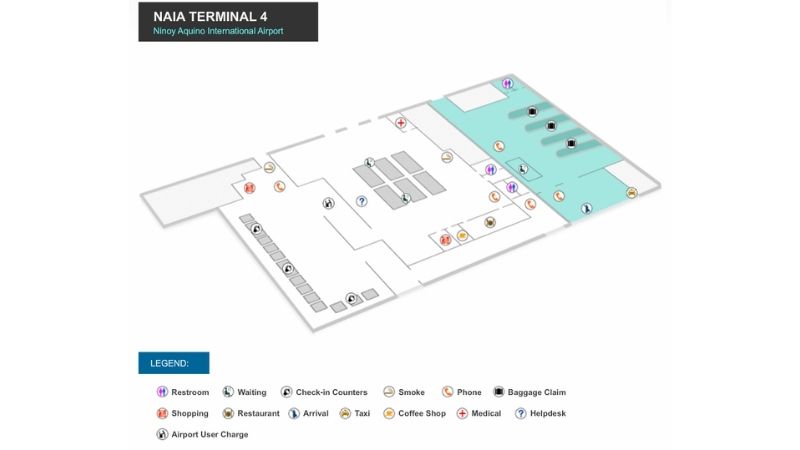
The smallest terminal at Ninoy Aquino International Airport, Terminal 4 primarily caters to domestic flights for budget airlines. Despite its size, it remains an essential link in the country’s aviation network.
Efficient Processing T4 maintains a consistent flow of travelers, making it a convenient option for those flying within the Philippines. The streamlined check-in and boarding process ensures that even with limited facilities, passengers can enjoy prompt service.
Major Airlines Operating at Manila Airport
Ninoy Aquino International Airport is a major international aviation hub, connecting the Philippines to countless destinations worldwide. Its importance to the global aviation industry is undeniable.
Philippine Airlines, the national carrier, serves extensive domestic and international routes from Ninoy Aquino International Airport. Dedicated to customer service and high-quality in-flight experiences, it plays a vital role in promoting Philippine tourism.
Cebu Pacific and AirAsia Philippines, two prominent low-cost carriers, also operate numerous flights from the airport. These airlines offer budget-friendly options for travelers throughout the Philippines and abroad, particularly for budget-conscious travellers.
Other international airlines, including major Asian carriers like Singapore Airlines, as well as European and American airlines, also use Ninoy Aquino International Airport. This makes it a crucial global travel hub, enhancing the Philippines’ position in the international tourism market.
Essential Tips for Arriving at Ninoy Aquino International Airport
Your arrival at Manila’s NAIA can be a thrilling, yet potentially stressful, experience, especially for first-time visitors. The following tips will smooth your arrival:
1. Know Your Terminal: NAIA has multiple terminals (T1, T2, T3, and T4), each servicing specific airlines and flights. Check your flight details well in advance to identify your terminal. Note that terminal transfers are possible but require extra time, as terminals are not directly connected.
2. Prepare Travel Documents: Ensure your passport is valid for at least six months. Also, ascertain if a visa is necessary based on your nationality. Collect the customs declaration form (usually provided during the flight), completing it accurately. Check COVID-19 requirements, including any health documents like proof of vaccination.
3. Transportation: Utilize the metered yellow airport taxis for safe travel. Avoid unlicensed taxis. Ride-hailing apps like Grab operate at designated areas outside the terminals. Free airport shuttle buses may connect terminals and public buses are available for city destinations. Many hotels offer pre-arranged airport pick-up services.
4. Currency & ATMs: Currency exchange counters are accessible in all terminals, though exchange rates may differ. ATMs are also available for withdrawing Philippine Pesos (PHP). However, check your bank´s international withdrawal fees.
5. Connectivity: Free Wi-Fi is available, though it may be slow during peak hours. Mobile data SIM cards are available for purchase at kiosks in the arrival area.
6. Customs & Immigration: Complete the customs form provided during your flight, declaring any necessary items. Be prepared for random baggage checks. To expedite immigration, pre-complete arrival cards if your airline doesn´t provide them.
7. Peak Hour Considerations: NAIA can get crowded, especially during holidays and weekends. Factor in extra time for queues at immigration, baggage claim, and transportation.
8. Luggage Management: Utilize free luggage carts within the baggage claim areas. However, additional services for luggage outside baggage claim areas might incur charges.
9. Safety: Keep a close watch on your belongings. Kindly decline offers from unofficial transport providers or porters. Use designated waiting areas for arranged pickups.
*Assistance:* Information desks are available in all terminals. Airport uniformed staff can assist with any needs.
Ninoy Aquino International Airport, a significant Philippine transportation hub, embodies the nation’s culture and hospitality. Its modern facilities, diverse airlines, and strategic location make it a gateway to the Philippines’ scenic beauty and unique attractions. Whether you’re a business traveler, explorer, or family on vacation, your journey begins here. Embrace the excitement, anticipate the adventure, and let Ninoy Aquino International Airport be your launchpad to creating unforgettable memories, both in the Philippines and beyond.