

ザ・ タイの通貨正式にはタイ バーツ(THB)として知られる通貨は、国の活気に満ちた経済の根幹として機能し、街頭取引からハイエンドの国際取引まであらゆるものを促進します。東南アジアで最も訪問者の多い目的地の 1 つであるタイ バーツとそのエコシステムを理解することは、旅行者、投資家、地元住民にとっても同様に不可欠です。この包括的なガイドでは、 タイの通貨では、その公式ステータス、支払い方法、銀行システムなどについて説明するとともに、安全なエクスペリエンスを確保するための実用的な安全性のヒントを提供します。
タイの公式通貨
ザ・ タイの通貨タイバーツは単なる交換手段ではありません。それはこの国の豊かな歴史、経済発展、文化的アイデンティティの象徴です。ラーマ 5 世の治世中の 19 世紀後半に導入されたバーツは、農業社会から現代のテクノロジーに精通した経済へのタイの歩みを反映して、大きな変革を遂げてきました。現在、世界市場、観光、国内政策の影響を受けながら、ASEAN 地域の安定した通貨として機能しています。このセクションでは、その額面、歴史的背景、日常生活における役割など、タイ バーツの基本的な側面を探求し、タイ バーツがタイ社会の基礎である理由についての洞察を提供します。
タイバーツの歴史と進化
ザ・ タイバーツ 1897年に正式に採用され、貿易を標準化し外国の影響を減らすというチュラロンコン王の近代化努力の一環として、さまざまな外国通貨や現地通貨に代わって導入されました。バーツは困難に直面しており、特に 1997 年のアジア金融危機ではバーツの価値が大幅に下落し、東南アジア経済に影響を与えました。
そのパフォーマンスを分析すると、主にタイの健全な財政政策とタイ銀行による介入のおかげで、バーツは経済的課題にもかかわらず安定を維持し、回復力を示しています。 20世紀半ばの米ドルペッグは貿易の予測可能性を提供しましたが、世界的な変動時の脆弱性も明らかにしました。現在、バーツはフィンテックと統合されており、オンライン取引を促進し、投資家の信頼を高め、観光客の外貨両替を支援しています。
バーツの文化的重要性は非常に高く、紙幣にはタイの国王や歴史上の人物が描かれており、国家遺産を思い出させる役割を果たしています。この側面は教育の一形態として見ることができ、各取引は歴史の一部を反映しています。しかし、インフレの上昇とデジタル通貨はこの文化的重要性にリスクをもたらしており、中央銀行による教育キャンペーンを通じて対処できる可能性がある。
宗派と実際の使い方

ザ・ タイの通貨、バーツにはさまざまな宗派があります。硬貨は 1 ~ 10 バーツ、紙幣は最高 1,000 バーツで、ホログラムや透かしなどの偽造防止対策が施されています。一般的に使用される紙幣は 20 バーツと 50 バーツですが、高額な紙幣は多額の買い物に使用されます。
過払いや偽造を避けるためには、これらの金額を知ることが不可欠です。観光客は通貨の外観や雰囲気をよく理解することを怠ることが多く、詐欺に遭う危険があります。たとえば、プミポン国王を描いた頻繁に偽造される 100 バーツ紙幣がよく狙われます。これに対処するために、通貨スキャン アプリは信頼性を検証することでセキュリティを強化できます。
さらに、バーツは非公式市場でも役割を果たし、交渉を通じて社会的交流や文化交流を促進します。この経済的および社会的という二重の目的は、バーツの柔軟性を示していますが、規制も複雑にしています。タイではキャッシュレス システムへの移行が進んでおり、効率性を向上させながら文化的側面を維持するバーツ連動デジタル トークンなどのイノベーションの可能性があります。
為替レートと経済効果
為替レートは大きく影響します タイバーツ、観光、輸出、世界的な出来事などの要因によって変化します。最近、バーツは通貨安に対して強さを増しており、予算重視の旅行者を惹きつけていますが、景気低迷時にはバーツが下落し、輸入やインフレに影響を与える可能性があります。
バーツの価値はタイの経済健全性を反映しています。たとえば、新型コロナウイルス感染症(COVID-19)の流行中、観光業の停止により急激な下落が起こり、通貨が外部の出来事に敏感であることが浮き彫りになりました。この課題は、長期安定のために医療ツーリズムやデジタル輸出などの手段を通じて経済を多様化することで解決できます。投資家はタイ銀行のウェブサイトで為替レートを追跡し、情報に基づいた決定を下すためにアラートツールを利用する必要があります。
さらに、為替レートは日常生活に影響を与えます。バーツ高は輸入コストを引き下げ、消費者に利益をもたらすが、タイの輸出品の価格を上昇させる。この状況にはバランスの取れた政策が必要であり、おそらくバーツに関連付けられた基本的な投資アプリを通じて、金融リテラシーの取り組みを強化することで国民が変動を管理できるようになると私は考えています。
規制の枠組みと将来の展望
ザ・ タイの通貨 安定のための金融政策を実施するタイ銀行によって規制されています。外国為替法は、バーツの過度の変動を防ぐために資本の流れを管理します。
将来の展望には、国際基準との整合と通貨生産における持続可能な慣行の導入が含まれます。暗号通貨の台頭は課題と機会の両方をもたらします。バーツの地位を脅かす可能性がある一方で、規制されたデジタルバーツはその魅力を高める可能性がある。ブロックチェーン技術を活用した「バーツ 2.0」を構想すれば、タイの経済主権を維持しながら、取引をより迅速かつ透明なものに変えられる可能性がある。
タイでの支払い方法
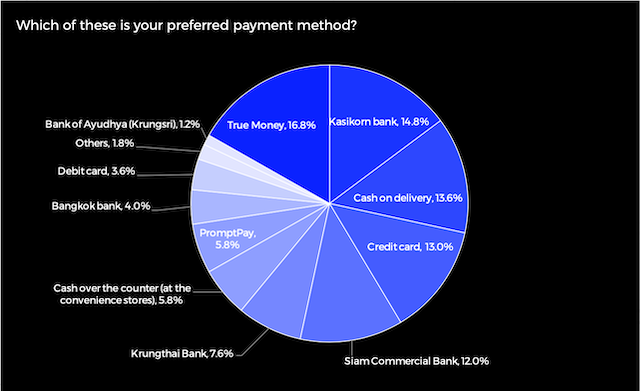
タイの支払い方法は急速に変化しており、現金システムと最新のデジタル ソリューションが融合しています。 タイの通貨。モバイル決済に対応する露天商からクレジット カードのオプションを提供する高級ホテルに至るまで、環境は社会が進化していることを示しています。このセクションでは、これらの方法がテクノロジーの進歩や消費者トレンドの影響を受けてスムーズな取引をどのように可能にするかを検討するとともに、起こり得る課題や革新にも言及します。
現金ベースの取引とその蔓延
タイの多くの地域では依然として現金が主流です。 タイバーツ 日常的な取引に好まれます。ナイトマーケットや地方のベンダーは通常、現金のみを使用し、信頼性と即時性を高めています。
田舎では現金取引が生鮮食品の価格交渉などの文化的慣行を支えているが、デジタル手法ではそれが損なわれる可能性がある。この依存はバーツの触感的な魅力を示していますが、盗難や偽札などのリスクも増大させ、より安全な取り扱い教育の必要性を浮き彫りにしています。
都市化が進むにつれて、キャッシュレスの選択肢への明らかな移行が見られます。しかし、現金の固執は、テクノロジーに精通した都市居住者と伝統的な田舎のコミュニティとの間のギャップを明らかにしています。現金とデジタルウォレットを組み合わせることで、この溝を埋めることができ、 タイの通貨 デジタル時代に関連したものです。
クレジットカードとデビットカードの使用
クレジット カードとデビット カードの普及が進んでおり、ユーザーは タイの通貨 VisaやMastercardなどの国際ネットワークを通じて。料金と受け入れ率はさまざまであり、都市部では幅広い互換性を誇っています。
カードの利便性は支払いを延期したり、特典を獲得したりできることにありますが、高額な海外取引手数料が貯蓄を侵食する可能性があります。分析的には、この方法は詐欺防止などのセキュリティ機能が旅行者に適していますが、ATM のスキミング装置に対する警戒が必要です。
より広い観点から見ると、カード利用の増加はタイが世界金融に統合されていることを示しており、観光業を促進する可能性があります。しかし、他の国でも見られるように、過度に依存すると債務問題につながる可能性があり、バーツに関連した金融リテラシーキャンペーンの必要性が高まっています。
モバイル決済と新興テクノロジー
PromptPay のようなアプリを活用したモバイル決済は、支払い方法に革命をもたらしています。 タイの通貨 を利用し、スマートフォン経由で即時送金が可能です。このテクノロジーは、特にパンデミック後に爆発的に普及しました。
QR コードをスキャンして支払いを行うことが簡単なので効率が向上し、物理的な通貨の必要性が減ります。個人的には、これは中小企業にとって大きな変革であり、高額な銀行手数料なしで世界的に競争できるようになると考えています。
しかし、遠隔地における情報格差などの課題は依然として存在します。創造的にモバイル インフラストラクチャを拡張すると、アクセスが民主化され、 タイの通貨 おそらく政府支援の取り組みを通じて、包括的に進化します。
代替支払いオプション
主流の方法を超えて、分割払いプランや今すぐ購入して後で支払うサービスなどのオプションが台頭しており、すべて 1 ドル建てです。 タイの通貨。これらは、柔軟な購入を求める消費者に対応します。
革新的ではあるものの、債務超過のリスクも抱えています。分析の観点から見ると、この多様化は経済の回復力を強化しますが、ユーザーを保護するためには強力な規制が必要です。
要約すると、伝統的な決済と最新の決済の融合により、タイの金融エコシステムが豊かになります。 タイの通貨 その核心部分にある。
タイの銀行システム
タイの銀行システムは、社会を支える強固な柱です。 タイの通貨、国有機関と民間企業を融合させて経済成長を推進します。このネットワークは日常の取引を容易にするだけでなく、国家の安定を支え、金融リスクから守りながら世界的な傾向に適応します。ここでは、その構造、主要銀行、規制、サービスをカバーするタイの銀行システムの概要を示します。
1. 中央銀行
- タイ銀行 (BoT) はタイの中央銀行です。
- 金融機関を規制・監督し、金融政策を策定し、金融システムの安定を確保します。
- Webサイト: https://www.bot.or.th/
2. タイの銀行の種類
タイの銀行セクターには次のものが含まれます。
商業銀行
- 完全な銀行サービス (貯蓄、ローン、投資、外国為替) を提供します。
- 例: バンコク銀行、カシコン銀行、サイアム商業銀行、クルンタイ銀行、アユタヤ銀行 (クルンシリ)。
外国銀行
- 完全な支店または駐在員事務所として運営されます。
- 例: HSBC、スタンダードチャータード、シティバンク、UOB、DBS。
専門金融機関(SFI)
- 政府所有で、住宅や農業などの特定の政策目標に焦点を当てています。
- 例: 政府貯蓄銀行 (GSB)、農業農業協同組合銀行 (BAAC)。
金融・リース会社
- 分割払い融資、リース、個人ローンなどのサービスを提供します。
提供されるサービス
- 預金口座: 普通預金、当座預金、定期預金
- ローン: 個人ローン、ビジネスローン、自動車ローン、住宅ローン
- 外国為替と送金
- モバイルバンキングとインターネットバンキング
- 投資および資産管理サービス
- QR コードとデジタル ウォレット支払い (例: PromptPay)
デジタルバンキングとフィンテック
- タイでは、PromptPay、QR コード、モバイル アプリが広く使用され、デジタル バンキングが普及しています。
- SCB、KBank、Krungsri などの銀行は、堅牢なデジタル サービスを提供しています。
- BoT がフィンテックの成長をサポートするにつれて、バーチャル バンキングのライセンスが間もなく付与されることが予想されます。
規制と監視
- タイ銀行 (BoT) は規制を定め、施行します。
- BoT は、サイバー脅威や家計債務などのリスクを管理しながら、金融包摂、安定性、イノベーションを促進します。
銀行営業時間
- 通常、月曜日から金曜日の午前 8 時 30 分から午後 3 時 30 分までです。
- モール内の一部の支店は、顧客の利便性を考慮して週末と夜に営業しています。
銀行口座開設(外国人の方)
- 一般的に受け入れられる書類: パスポート、ビザ、労働許可証、または居住証明書。
- 一部の銀行では、サービスを限定して旅行者に普通預金口座の開設を許可しています。
- 人気の口座: ATM/デビットカード付きのタイバーツ普通預金口座。
タイの外国為替
外国為替サービス タイの通貨 認可された事務局や銀行を通じて管理されるシームレスな国際貿易と旅行を可能にします。この部門は通貨の両替に不可欠であり、観光と輸出に大きな影響を与えます。
通貨換算サービス
外国のお金を両替するのは、 タイの通貨 空港やホテルで簡単に利用でき、競争力のある料金でご利用いただけます。
料金の変動は旅行者に影響を与えます。戦略的なタイミングでより良い取引を生み出すことができます。分析的には、このアクセスしやすさが経済を押し上げます。
為替レートに影響を与える要因
世界的な出来事が世界を揺るがす タイの通貨石油価格から政治的安定に至るまで、その価値。
こうしたダイナミクスを理解することは投資家にとって役立ちます。創造的には、ヘッジツールはリスクを軽減する可能性があります。
交換業者の法的要件
外国為替を保護するために、厳格な法律が規制されています。 タイの通貨 違法行為から。
コンプライアンスは完全性を保証しますが、官僚主義はユーザーの行動を妨げる可能性があります。改革によりプロセスが合理化される可能性があります。
リスクとベストプラクティス
変動はリスクをもたらします。ベスト プラクティスには、信頼できる情報源を使用することが含まれます。個人的な見解としては、安全な交換には認識が鍵となります。
タイのATM
ATM により簡単にアクセスできます。 タイの通貨、都市部と農村部に広く分布しています。これらは利便性を提供しますが、手数料とセキュリティ上の懸念が伴います。
可用性とネットワーク範囲
ATM は多数あり、大手銀行と提携しており、現金を引き出すことができます。 タイの通貨。
適用範囲は異なります。田舎では制限があるかもしれません。分析的には、このインフラストラクチャは金融包摂をサポートします。
手数料と出金限度額
にアクセスすると料金が加算される場合があります タイの通貨 ATM経由、特に外国人向け。
制限によりユーザーは保護されますが、計画が必要です。創造的には、手数料無料のオプションは利用を促進する可能性があります。
セキュリティ機能と一般的な詐欺
高度なセキュリティにより詐欺は阻止されますが、詐欺のターゲットはATMユーザーです。 タイの通貨。
警戒は不可欠です。明るい照明付きの機械を使用すると効果的です。洞察からすると、教育キャンペーンは不可欠です。
国際ATM互換性
グローバル カードは、 タイの通貨 ATM(ただし手数料がかかります)。
この互換性が旅行者を助け、タイの魅力を高めます。
タイのデジタルウォレット
デジタルウォレットはタイの支払い方法の重要な部分となっています。 POS トランザクションの使用量は 2017 年の 2% から 2022 年の 23% に急増し、2022 年の電子商取引総額の 25% を占めました。この成長は、利便性、低い取引手数料、キャッシュレス取引を促進する政府の取り組みによって促進されています。
タイで人気のデジタルウォレット
1. TrueMoneyウォレット
- タイで最も広く使用されている電子ウォレットの 1 つ。
- 請求書の支払い、モバイルチャージ、オンラインショッピングなどのサービスを提供します。
- 低い加盟店手数料と広範な受け入れネットワークが人気です。
2.うさぎのLINE Pay
- メッセージアプリ「LINE」と連携。
- 特に都市部では店舗内での支払いに人気があります。
- プロモーションとロイヤルティ プログラムをサポートします。
3. ショップペイ
- Shopee eコマースプラットフォームにリンクされています。
- ネットショッピングや請求書支払い、QRコード決済などに利用されます。
- Shopee エコシステム内でキャッシュバックと割引を提供します。
4. mPay
- タイ最大の携帯電話会社の 1 つである AIS によって運営されています。
- モバイルチャージ、請求書支払い、オンラインショッピングなどのサービスを提供します。
5.グラブペイ
- 配車サービスや食品配達サービス用の Grab アプリと統合されています。
- アプリ内決済や提携加盟店での決済に使用されます。
6. K+ ウォレット (カシコーン銀行)
- カシコーン銀行によるデジタルウォレットサービス。
- QRコード決済や取引履歴閲覧、残高照会が可能。
- ユーザーの利便性を考慮した電子伝票の自動保存機能を備えています。
政府のデジタルウォレット計画
経済を刺激する取り組みとして、タイ政府は 2024 年 9 月にデジタルウォレット計画を開始しました。
- 客観的: 経済成長を促進し、デジタル取引を促進します。
- 利点: 資格のあるタイ国民はそれぞれ 10,000 バーツ (約 275 ドル) を受け取ります。
- 資格: 16 歳以上のタイ国民で、年収が 840,000 バーツ以下、銀行預金が 500,000 バーツ以下のタイ国民。
- 使用制限:
- 資金は受取人の登録地区内で使用する必要があります。
- オンライン購入、アルコール、タバコ、燃料、嗜好品にはご利用いただけません。
- 資金は引き出し不可で、6 か月以内に使用する必要があります。
- 実装: デジタル経済社会省が開発した「Thang Rath」アプリを通じて配信されます。
避けるべき間違い
よくある間違い タイの通貨 経済的困難につながる可能性があります。スムーズなエクスペリエンスのためには、それらを回避することが重要です。
為替レートの見落とし
- レートを無視すると、 タイの通貨。
- 彼らを注意深く監視してください。分析的には、ツールがこれを支援します。
詐欺に引っかかる
- をターゲットにした詐欺 タイの通貨 蔓延している。常に最新情報を入手してください。
- 教育は最大の防御です。クリエイティブな面では、コミュニティ アラートが役に立ちます。
セキュリティ対策を怠る
- 確保に失敗すると、 タイの通貨 リスクを招きます。
- ベストプラクティスを採用します。洞察から、積極的なステップが不可欠です。
地元の習慣を無視する
- の規範を理解していない タイの通貨 誤動作を引き起こす可能性があります。
- 文化的側面を尊重します。
よくある質問
1. タイの通貨は何ですか?
タイの公式通貨はタイ バーツで、THB と略され、฿ と記号化されます。
2. タイの通貨ではどのような額面が利用可能ですか?
タイの通貨は硬貨と紙幣の両方で利用できます。
-
コイン:1、2、5、10バーツ。小さなサタンコイン(めったに使用されませんが、25サタンと50サタン)もあります。
-
紙幣:20、50、100、500、1,000バーツ。
3. タイでは米ドルや他の外貨を使用できますか?
いいえ、タイでは主にタイ バーツが受け入れられます。一部のホテルや観光スポットを除いて、外貨での支払いは通常受け付けられていませんが、それでも受け付けられることはまれです。
4. タイではどこで両替できますか?
次の場所で通貨を両替できます。
-
銀行
-
認可された外貨両替所
-
空港(通常、為替レートはそれほど有利ではありません)
-
ホテル(ただし、料金の競争力が低くなる可能性があります)
5. 母国とタイのどちらで両替したほうが良いですか?
一般に、タイでは海外よりも為替レートが高くなります。バンコクなどの人気都市の外貨両替カウンターでは、競争力のあるレートを提供しています。
6. ATM はタイで広く利用できますか?
はい、ATM は都市、町、観光地など全国で広くご利用いただけます。ほとんどのカードは国際カードを受け入れますが、外国カードの場合は引き出し手数料 (約 ฿220) がかかります。
7. タイではクレジット カードやデビット カードを使用できますか?
はい、多くのホテル、レストラン、店舗でクレジット カードとデビット カード (Visa、Mastercard など) をご利用いただけます。しかし、特に地元の市場や農村地域では、現金が依然として広く使用されています。
8. タイ バーツの現在の為替レートはいくらですか?
為替レートは毎日変動します。信頼できる金融 Web サイト、銀行、または通貨換算アプリで最新のレートを確認することをお勧めします。
9. 現金を持ち歩く必要がありますか? それともタイではほとんどがキャッシュレスですか?
デジタル決済が増加している一方で、特に地元の店舗、屋台、交通機関では現金が不可欠です。常にタイバーツを持ち歩きましょう。
10. タイでは偽札が問題になっていますか?
まれですが、可能です。これを避けるには、評判の良い場所で両替し、本物の紙幣の見た目や感触をよく知ってください。
結論
要約すると、 タイの通貨タイ バーツは、公式通貨の詳細、多様な支払い方法、堅牢な銀行システム、外国為替の機会、ATM へのアクセス、デジタル ウォレット、国境を越えた支払い、安全に関するヒント、よくある間違い、よくある質問を網羅する動的な金融エコシステムの基盤を形成しています。これらの要素を理解して慎重に操作することで、ユーザーは安全かつ効率的な取引を楽しむことができ、個人の財務健全性とタイの経済活力の両方に貢献します。