
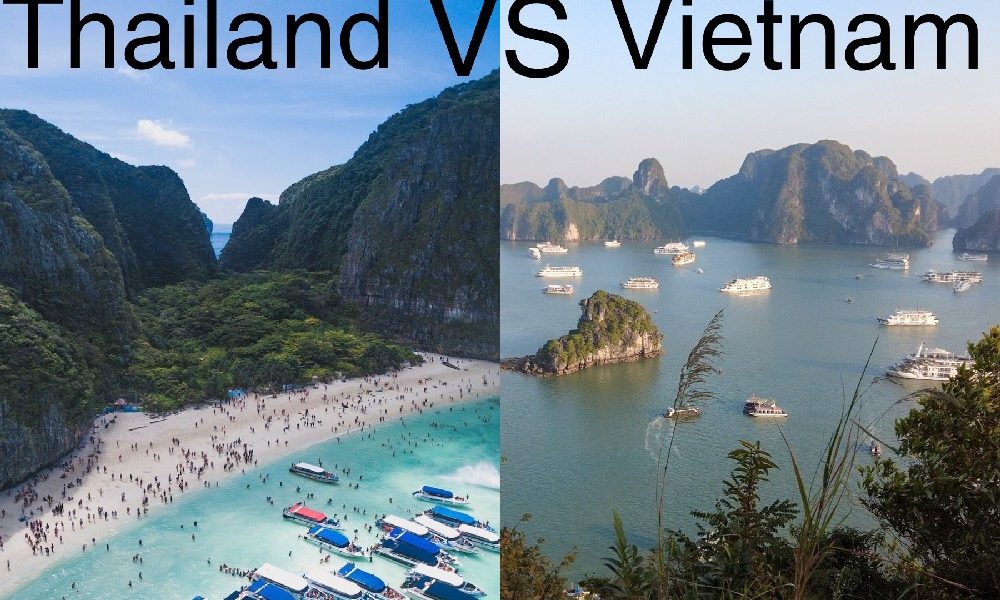
The question, “Why is Vietnam worse than Thailand?“, is a loaded one, simplifying a complex reality. Both Southeast Asian nations offer unique experiences for tourists and expats, with strengths and weaknesses tailored to different preferences and priorities. This article will explore various aspects, comparing the two countries across key categories, acknowledging that “worse” is subjective and depends on individual needs.
Tourism Infrastructure and Accessibility
Tourism infrastructure and accessibility differ significantly between Vietnam and Thailand. While both nations have invested heavily in their tourism sectors, their approaches and resulting infrastructure differ. Thailand´s early focus on tourism has led to a more established and seamless tourist ecosystem.
交通网络是另一个关键的对比领域。泰国的网络更加广泛和多样化,拥有连接主要城市的综合铁路系统,提供舒适且价格实惠的旅行选择。国内航班频繁且相对便宜,可以轻松前往热门岛屿和偏远地区。越南的铁路网络不太广泛,主要沿着南北轴线。虽然有国内航班,但价格可能比泰国贵。公路旅行虽然有所改善,但由于交通拥堵和路况变化,仍然面临挑战。根据我的经验,乘坐泰国的交通工具感觉压力较小,尤其是作为新移民。标牌通常是双语的,而且专门的机场接送亭等游客友好型服务也更加普遍。越南虽然进步很快,但通常需要更多的当地知识或愿意应对潜在的混乱局势。
住宿选择
Accommodation options in both countries range from budget-friendly hostels to luxurious resorts. However, Thailand generally offers a wider selection of high-end hotels and resorts with international standards of service. Vietnam´s luxury sector is growing rapidly, but it still lags behind Thailand in established brand recognition and consistently polished service. Furthermore, Thailand caters effectively to mid-range travelers with countless guesthouses and boutique hotels that offer exceptional value for money. The availability and variety of accommodation in Thailand fosters a mature tourism market where competition drives quality and keeps prices competitive.
Tourist Information and Support
Tourist information and support systems vary. Thailand´s long history in tourism has fostered a developed support network. Tourist information centers are readily available in major cities and tourist hotspots, providing guidance and assistance in multiple languages. English is widely spoken in tourist areas. Vietnam is improving, with increasing numbers of English speakers and tourist information points, but language barriers can still be more prevalent, potentially leading to a less consistently reliable support system. I recall struggling to find readily available information about lesser-known attractions in Vietnam, whereas in Thailand guidebooks and online resources were plentiful. This difference—though subtle—significantly impacts travelers´ experience, especially first-timers.
Cost of Living and Value for Money
Comparing the cost of living requires careful consideration of factors like lifestyle, location, and spending habits. While both countries are affordable compared to Western nations, subtle yet significant differences exist in their value propositions.
Accommodation Costs
Accommodation Costs are, on average, slightly lower in Vietnam for long-term rentals compared to Thailand. However, the quality and amenities might not be comparable, especially at similar price levels. In Thailand, you often get more for your money in terms of facilities, location, and service, particularly for apartments and condos. For example, a modern one-bedroom apartment with a swimming pool and gym in a major Thai city might cost a similar amount to a basic apartment in a less desirable location in Vietnam.
Food and Beverages
Food and beverages are substantial draws. Street food in both countries is affordable and delicious, offering many local specialties. Restaurant prices can vary significantly. Generally, dining in international or tourist-oriented establishments is slightly more expensive in Thailand. However, the greater availability of imported goods and international cuisine in Thailand offers more choices to suit specific dietary needs. Local food can be significantly cheaper in Vietnam. Overall, the level of quality and variety between the two countries is fairly similar.
Transportation Expenses
Transportation expenses vary depending on the mode and destination. Public transportation is generally affordable in both countries, but Thailand´s more extensive and efficient network makes it a more cost-effective overall option. Ride-hailing services are present in both countries, but prices can fluctuate. Long-distance travel by bus or train may be cheaper in Vietnam, but comfort and speed may not compare to Thailand´s more developed infrastructure. I´ve found it easier to book and use public transport in Thailand, which reduced my daily transportation costs by avoiding taxis.
Cultural Immersion and Authenticity
For many, cultural immersion is critical. Both Vietnam and Thailand offer rich histories, diverse cultures, and unique customs. However, the accessibility and authenticity of these experiences vary. Historical sites and cultural landmarks exist in both. Thailand´s well-preserved temples and archaeological parks, such as Ayutthaya and Sukhothai, are renowned and easily accessible. Vietnam´s sites like Hoi An and the Imperial Citadel of Hue offer equal historical insights; however, sometimes these sites are less well-maintained or more crowded. The reverence for the past seems more ingrained in Thailand, evident in the meticulous preservation of historical sites and the deep respect shown for religious landmarks.
当地习俗和传统
体验当地习俗和传统是文化沉浸的一个重要方面。泰国充满活力的节日、传统舞蹈和佛教仪式提供了许多接触当地文化的机会。虽然越南也有丰富的习俗和传统,如水上木偶戏和传统音乐表演,但它们可能不太容易接触或不太适合旅游业。此外,泰国佛教的浓厚影响力让宁静和正念的感觉渗透到日常生活中,影响互动并创造更温馨的氛围。
Interaction with Locals
Interacting with locals is essential for understanding a culture. In Thailand, the concept of “Mai Pen Rai” (never mind) reflects a relaxed and easygoing attitude, often making interactions pleasant and welcoming. While Vietnamese people are generally friendly and helpful, language barriers and cultural differences sometimes make deeper connections challenging. The faster pace of life and more overt commercialization of tourism in Vietnam may sometimes create less authentic and more transactional interactions with locals. I have found that conversations happen more organically in Thailand, and people are more patient to engage with foreigners; I attribute this to the prevalence of learning English in Thai schools.
Safety and Security Concerns
Safety and security should be paramount considerations for travelers. Both countries are generally safe, with relatively low violent crime rates. However, petty crime—such as pickpocketing and bag snatching—is present in tourist areas in both; scams, ranging from inflated taxi fares to fraudulent tour operators, also occur. Thailand often offers better consumer protection mechanisms, with a stronger tourist police force to address these issues. Reports of scams and petty theft may be more common in Vietnam, particularly in bustling cities like Hanoi and Ho Chi Minh City. Researching common scams and taking precautions, like keeping valuables hidden and being cautious of overly friendly strangers, is crucial in both countries.
Road Safety
Road safety is a significant issue. Vietnam, in particular, faces traffic congestion and reckless driving, leading to frequent motorcycle accidents. Wearing helmets is crucial. Though Thailand has its traffic accidents, overall standards are higher and traffic laws are better enforced. Driving oneself is not as advisable. I’ve spent countless hours nervously observing the chaotic traffic flow in Vietnam, whereas the roads in Thailand, while still busy, felt somewhat more organized.
Health Hazards and Medical Care
Health hazards, such as food poisoning and mosquito-borne diseases, require precautions in both countries. Medical care is generally of good quality in major cities, with numerous international hospitals. Healthcare costs are often higher in Thailand, particularly in private hospitals. Access to healthcare in rural areas can be challenging in both countries, but Vietnam´s often less reliable than that of Thailand’s.
Visa and Immigration Policies
Visa and immigration policies are critical factors, with both countries offering visa options. Thailand offers visa-exempt entry to many countries and relatively easily obtained tourist visas and extensions. Vietnam offers visa-exempt entry, but the duration is often shorter, and extensions can be more complex. E-visas exist for both, but the Thai process is frequently easier. Ease of repeated visa visits is a significant draw for some people in Thailand. I’ve heard of expats that choose to cross the border periodically to re-establish their stay. Long-term visas, like retirement and work permits, are available in both but require specific documentation and processes.
Environmental Concerns and Sustainability
环境问题日益严重。虽然两国都面临环境挑战,但解决这些挑战的方法不同。污染和废物管理是这两个城市地区的重大问题。泰国在实施环境法规、促进可再生能源和废物管理系统等可持续实践方面取得了更大的进步,尽管两国都值得改进。生态旅游在这两个国家越来越受到关注,但负责任的旅游标准并不总是得到一致执行。
Ultimately, the question of whether Vietnam is “worse” than Thailand hinges on individual priorities. Thailand offers superior tourism infrastructure, a more established expat community, and easier visa processes. However, Vietnam provides a lower cost of living, more authentic cultural experiences, and striking raw beauty. Both countries present distinct advantages and disadvantages, resulting in a deeply personal decision. Preferences for convenient comfort versus adventure and affordability will determine your choice.
