
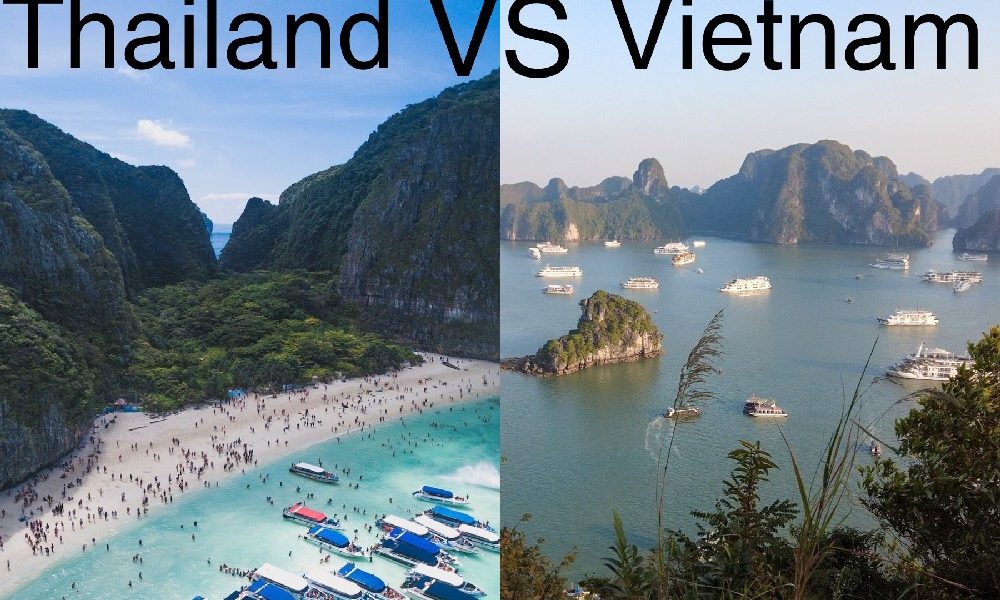
The question, “Why is Vietnam worse than Thailand?“, is a loaded one, simplifying a complex reality. Both Southeast Asian nations offer unique experiences for tourists and expats, with strengths and weaknesses tailored to different preferences and priorities. This article will explore various aspects, comparing the two countries across key categories, acknowledging that “worse” is subjective and depends on individual needs.
Tourism Infrastructure and Accessibility
Tourism infrastructure and accessibility differ significantly between Vietnam and Thailand. While both nations have invested heavily in their tourism sectors, their approaches and resulting infrastructure differ. Thailand´s early focus on tourism has led to a more established and seamless tourist ecosystem.
Transportation networks are another key area of contrast. Thailand´s network is more extensive and diverse, with a comprehensive rail system connecting major cities, offering comfortable and affordable travel options. Domestic flights are frequent and relatively inexpensive, facilitating easy access to popular islands and remote regions. Vietnam´s rail network is less extensive, primarily along the north-south axis. While domestic flights are available, they can be more expensive than in Thailand. Road travel, though improving, can still be challenging due to traffic congestion and varying road conditions. In my experience, navigating Thailand´s transport felt less stressful, particularly as a newcomer. Signage is often bilingual, and there´s a greater prevalence of tourist-friendly services like dedicated airport transfer booths. Vietnam, though rapidly improving, often requires more local knowledge or a willingness to navigate potentially chaotic situations.
Accommodation Options
Accommodation options in both countries range from budget-friendly hostels to luxurious resorts. However, Thailand generally offers a wider selection of high-end hotels and resorts with international standards of service. Vietnam´s luxury sector is growing rapidly, but it still lags behind Thailand in established brand recognition and consistently polished service. Furthermore, Thailand caters effectively to mid-range travelers with countless guesthouses and boutique hotels that offer exceptional value for money. The availability and variety of accommodation in Thailand fosters a mature tourism market where competition drives quality and keeps prices competitive.
Tourist Information and Support
Tourist information and support systems vary. Thailand´s long history in tourism has fostered a developed support network. Tourist information centers are readily available in major cities and tourist hotspots, providing guidance and assistance in multiple languages. English is widely spoken in tourist areas. Vietnam is improving, with increasing numbers of English speakers and tourist information points, but language barriers can still be more prevalent, potentially leading to a less consistently reliable support system. I recall struggling to find readily available information about lesser-known attractions in Vietnam, whereas in Thailand guidebooks and online resources were plentiful. This difference—though subtle—significantly impacts travelers´ experience, especially first-timers.
Cost of Living and Value for Money
Comparing the cost of living requires careful consideration of factors like lifestyle, location, and spending habits. While both countries are affordable compared to Western nations, subtle yet significant differences exist in their value propositions.
Accommodation Costs
Accommodation Costs are, on average, slightly lower in Vietnam for long-term rentals compared to Thailand. However, the quality and amenities might not be comparable, especially at similar price levels. In Thailand, you often get more for your money in terms of facilities, location, and service, particularly for apartments and condos. For example, a modern one-bedroom apartment with a swimming pool and gym in a major Thai city might cost a similar amount to a basic apartment in a less desirable location in Vietnam.
Food and Beverages
Food and beverages are substantial draws. Street food in both countries is affordable and delicious, offering many local specialties. Restaurant prices can vary significantly. Generally, dining in international or tourist-oriented establishments is slightly more expensive in Thailand. However, the greater availability of imported goods and international cuisine in Thailand offers more choices to suit specific dietary needs. Local food can be significantly cheaper in Vietnam. Overall, the level of quality and variety between the two countries is fairly similar.
Transportation Expenses
Transportation expenses vary depending on the mode and destination. Public transportation is generally affordable in both countries, but Thailand´s more extensive and efficient network makes it a more cost-effective overall option. Ride-hailing services are present in both countries, but prices can fluctuate. Long-distance travel by bus or train may be cheaper in Vietnam, but comfort and speed may not compare to Thailand´s more developed infrastructure. I´ve found it easier to book and use public transport in Thailand, which reduced my daily transportation costs by avoiding taxis.
Cultural Immersion and Authenticity
For many, cultural immersion is critical. Both Vietnam and Thailand offer rich histories, diverse cultures, and unique customs. However, the accessibility and authenticity of these experiences vary. Historical sites and cultural landmarks exist in both. Thailand´s well-preserved temples and archaeological parks, such as Ayutthaya and Sukhothai, are renowned and easily accessible. Vietnam´s sites like Hoi An and the Imperial Citadel of Hue offer equal historical insights; however, sometimes these sites are less well-maintained or more crowded. The reverence for the past seems more ingrained in Thailand, evident in the meticulous preservation of historical sites and the deep respect shown for religious landmarks.
Local Customs and Traditions
Experiencing local customs and traditions is a crucial aspect of cultural immersion. Thailand´s vibrant festivals, traditional dances, and Buddhist ceremonies offer many opportunities to engage with local culture. While Vietnam also has rich customs and traditions like water puppet shows and traditional music performances, they might be less accessible or less geared towards tourism. Furthermore, the strong Buddhist influence in Thailand creates a sense of tranquility and mindfulness permeating daily life, influencing interactions and creating a more welcoming atmosphere.
Interaction with Locals
Interacting with locals is essential for understanding a culture. In Thailand, the concept of “Mai Pen Rai” (never mind) reflects a relaxed and easygoing attitude, often making interactions pleasant and welcoming. While Vietnamese people are generally friendly and helpful, language barriers and cultural differences sometimes make deeper connections challenging. The faster pace of life and more overt commercialization of tourism in Vietnam may sometimes create less authentic and more transactional interactions with locals. I have found that conversations happen more organically in Thailand, and people are more patient to engage with foreigners; I attribute this to the prevalence of learning English in Thai schools.
Safety and Security Concerns
Safety and security should be paramount considerations for travelers. Both countries are generally safe, with relatively low violent crime rates. However, petty crime—such as pickpocketing and bag snatching—is present in tourist areas in both; scams, ranging from inflated taxi fares to fraudulent tour operators, also occur. Thailand often offers better consumer protection mechanisms, with a stronger tourist police force to address these issues. Reports of scams and petty theft may be more common in Vietnam, particularly in bustling cities like Hanoi and Ho Chi Minh City. Researching common scams and taking precautions, like keeping valuables hidden and being cautious of overly friendly strangers, is crucial in both countries.
Road Safety
Road safety is a significant issue. Vietnam, in particular, faces traffic congestion and reckless driving, leading to frequent motorcycle accidents. Wearing helmets is crucial. Though Thailand has its traffic accidents, overall standards are higher and traffic laws are better enforced. Driving oneself is not as advisable. I’ve spent countless hours nervously observing the chaotic traffic flow in Vietnam, whereas the roads in Thailand, while still busy, felt somewhat more organized.
Health Hazards and Medical Care
Health hazards, such as food poisoning and mosquito-borne diseases, require precautions in both countries. Medical care is generally of good quality in major cities, with numerous international hospitals. Healthcare costs are often higher in Thailand, particularly in private hospitals. Access to healthcare in rural areas can be challenging in both countries, but Vietnam´s often less reliable than that of Thailand’s.
Visa and Immigration Policies
Visa and immigration policies are critical factors, with both countries offering visa options. Thailand offers visa-exempt entry to many countries and relatively easily obtained tourist visas and extensions. Vietnam offers visa-exempt entry, but the duration is often shorter, and extensions can be more complex. E-visas exist for both, but the Thai process is frequently easier. Ease of repeated visa visits is a significant draw for some people in Thailand. I’ve heard of expats that choose to cross the border periodically to re-establish their stay. Long-term visas, like retirement and work permits, are available in both but require specific documentation and processes.
Environmental Concerns and Sustainability
Environmental concerns are growing. While both countries face environmental challenges, their approaches to addressing them differ. Pollution, and waste management, are significant issues in both urban areas. Thailand has made greater strides in implementing environmental regulations, promoting sustainable practices such as renewable energy and waste management systems, though both countries warrant improvement. Ecotourism is gaining traction in both countries, but responsible tourism standards are not always consistently enforced.
Ultimately, the question of whether Vietnam is “worse” than Thailand hinges on individual priorities. Thailand offers superior tourism infrastructure, a more established expat community, and easier visa processes. However, Vietnam provides a lower cost of living, more authentic cultural experiences, and striking raw beauty. Both countries present distinct advantages and disadvantages, resulting in a deeply personal decision. Preferences for convenient comfort versus adventure and affordability will determine your choice.