
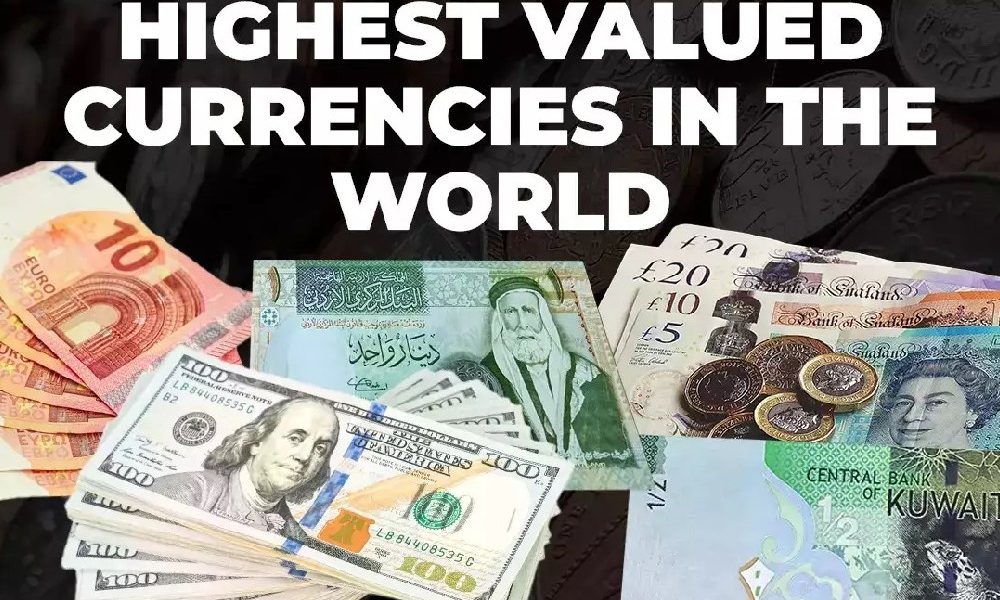
Understanding the top 5 most valuable currencies in the world is essential for investors, economists, travelers, and anyone interested in international finance. These currencies not only reflect a nation´s economic strength but also influence global markets and geopolitical stability. This comprehensive guide explores these currencies in detail, providing insights into their value, history, and the factors that contribute to their prominence on the world stage.
An Overview of the Most Valuable Currencies
The concept of currency value extends beyond mere exchange rates; it encompasses economic stability, geopolitical influence, and monetary policy effectiveness. When discussing the top 5 most valuable currencies in the world, it is crucial to understand what makes these currencies stand out—be it their high exchange rates, reserve status, or stability amid global fluctuations.
In this section, we will explore the foundational principles behind currency valuation, including how governments manage their monetary policies, the role of foreign reserves, and the impact of international trade dynamics. We will then introduce the list of the top five currencies that lead the global hierarchy, setting the stage for detailed analysis.
The Criteria for Valuation – What Makes a Currency Valuable?
The value of a currency is primarily determined through its exchange rate against other currencies, but several underlying factors influence this rate:
- Economic Stability: Countries with stable economies tend to have more valuable currencies as investors seek safety and predictability.
- Interest Rates: Higher interest rates attract foreign investment, increasing demand for the currency.
- Foreign Reserves: Countries holding substantial reserves of foreign currencies can bolster their own currency´s value.
- Trade Surpluses & Deficits: Net exporters tend to have stronger currencies due to higher foreign demand for their goods and currency.
A currency’s “value” isn’t solely about the current exchange rate but also involves perceptions of long-term stability and trustworthiness among global investors.
The Leading Players in the Currency World
The currency landscape is dynamic, with some nations maintaining dominance through strategic economic policies and geopolitical leverage. The top 5 most valuable currencies in the world are often recognized based on their high exchange rates relative to the US dollar, their reserve currency status, and overall international acceptance.
The list includes:
- Kuwaiti Dinar (KWD)
- Bahraini Dinar (BHD)
- Omani Rial (OMR)
- Jordanian Dinar (JOD)
- Cayman Islands Dollar (KYD)
Each of these currencies reflects unique national attributes—be it oil wealth, financial services, or regional stability—that contribute to their high valuation.
Deep Dive into the Top 5 Most Valuable Currencies in the World
Having laid the groundwork, let´s now examine each currency in detail, understanding what makes them globally significant, their historical context, and their future prospects.
Kuwait Dinar (KWD) – The Middle Eastern Powerhouse

Kuwait´s currency, the Dinar, consistently ranks as one of the most valuable currencies worldwide. Its high value is closely linked to Kuwait´s large oil reserves and prudent monetary management.
Oil Wealth and Economic Stability
Kuwait holds approximately 8% of the world´s proven oil reserves, making it an economic giant in the Middle East. The country´s government has historically managed oil revenues prudently, establishing sovereign wealth funds that bolster economic resilience.
Oil exports generate significant foreign currency inflows, which underpin the Dinar´s high exchange rate. The government’s commitment to maintaining fiscal discipline ensures that inflation remains low, preserving the currency’s strength.
Monetary Policy and Currency Pegs
The Central Bank of Kuwait maintains a fixed exchange rate peg to a basket of currencies, predominantly the US dollar, which provides stability. This peg helps mitigate currency volatility and attracts foreign investment.
Moreover, Kuwait’s banking sector is highly developed, serving as a regional financial hub, further reinforcing confidence in the Dinar.
Future Outlook
With ongoing oil demand and prudent fiscal policies, the Kuwaiti Dinar is likely to retain its high valuation. However, diversification efforts away from oil dependency are crucial for sustained stability amid global energy shifts.
Bahraini Dinar (BHD) – A Financial Center in the Gulf

Bahrain’s currency, the Bahraini Dinar, ranks among the most valued, thanks largely to its status as a financial and banking hub in the Gulf region.
Financial Sector and International Banking
Bahrain boasts a well-established financial sector, with numerous international banks operating within its borders. The country has positioned itself as a regional fintech and Islamic finance leader.
This financial prominence attracts global capital, bolstering the demand and value of the BHD.
Oil and Diversification
While Bahrain´s oil reserves are modest compared to neighbors like Saudi Arabia, the country has diversified into sectors like finance, tourism, and logistics. This diversification supports economic stability and currency resilience.
Currency Management and Stability
The Central Bank of Bahrain pegs the BHD to a basket of currencies, primarily the US dollar, ensuring exchange rate stability. This strategic approach reinforces investor confidence and sustains its high value.
Outlook and Challenges
Bahrain faces regional competition and economic challenges, but its financial sector’s resilience and diversification strategies suggest that the BHD will continue to be a strong, valuable currency.
Omani Rial (OMR) – The Gateway to the Gulf

Oman’s currency, the Rial, is another top-valued currency driven by natural resources, economic reforms, and regional stability.
Natural Resources and Economic Foundations
Oman’s economy benefits from oil, gas, and mineral resources. The government has actively pursued diversification programs under Vision 2040, aiming to reduce dependence on hydrocarbons.
These efforts bolster economic stability, maintaining the Rial’s strength.
Monetary Policy and Exchange Rate Regime
The Omani Rial is pegged to the US dollar, providing currency stability amidst volatile global markets. The central bank manages inflation and maintains fiscal discipline to support this peg.
Regional Stability and Political Environment
Oman´s neutral foreign policy and regional stability make it an attractive destination for expatriates and investors, further supporting the Rial’s high valuation.
Future Prospects
Oman’s continued reforms and resource management will determine whether the Rial maintains its position among the world´s most valuable currencies.
Jordanian Dinar (JOD) – The Stable Anchor in the Middle East
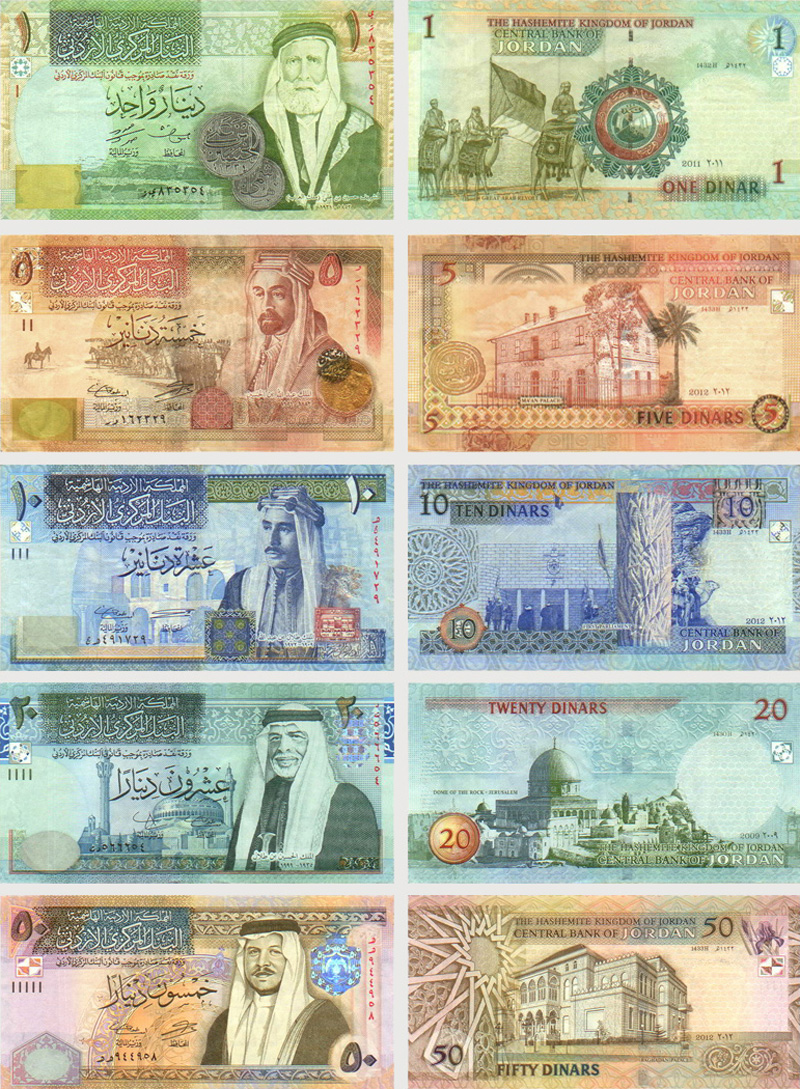
Jordan’s currency, the Dinar, is notable for its relatively high value despite the country’s modest size and resources.
Economic Stability Amid Regional Turmoil
Jordan maintains political stability and has cultivated a diversified economy with sectors like pharmaceuticals, tourism, and services.
Despite regional conflicts, Jordan’s prudent monetary policies help sustain the Dinar´s strength.
Currency Peg and Foreign Reserves
The Jordanian Dinar is pegged to the US dollar, and the country maintains substantial foreign reserves, bolstering confidence among international investors.
This peg stabilizes the currency despite external shocks and internal economic pressures.
Challenges and Resilience
Jordan faces challenges such as refugee influxes and regional instability, but its strong institutional framework and strategic alliances aid in maintaining currency stability.
Cayman Islands Dollar (KYD) – A Tax Haven with a Strong Currency
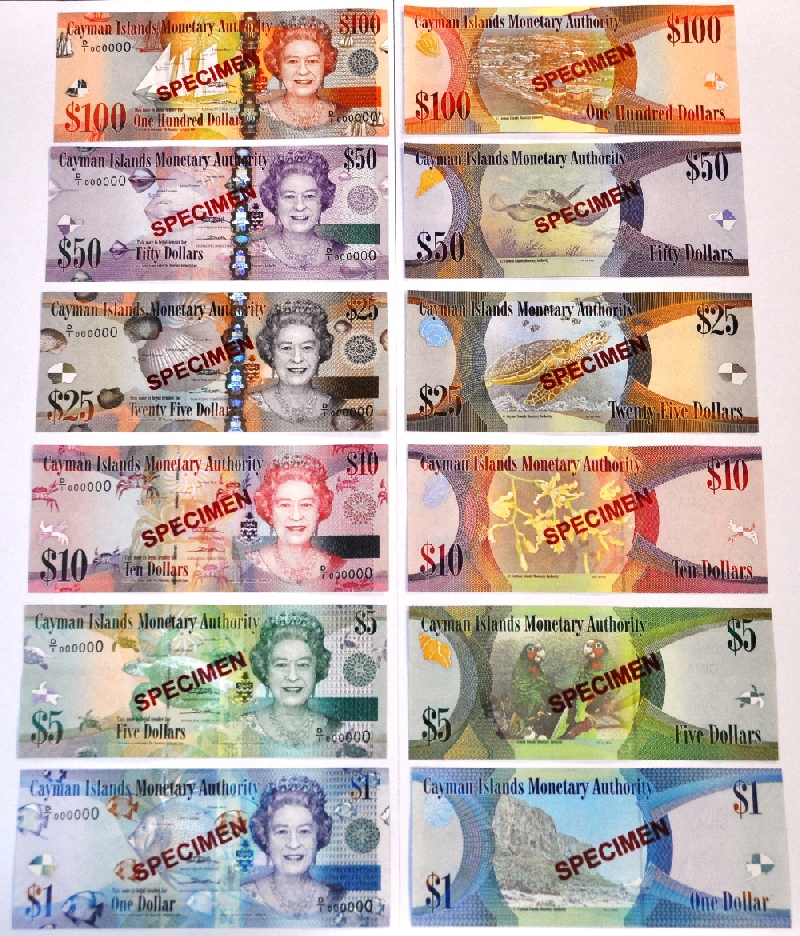
The Cayman Islands Dollar stands out as a symbol of offshore finance and wealth management.
Offshore Finance and Wealth Management
As a leading offshore financial center, the Cayman Islands attracts global capital, hedge funds, and high-net-worth individuals.
The KYD’s stable and high valuation reflects the robustness of its financial services sector.
Currency Peg and International Confidence
The Cayman Islands Dollar is pegged to the US dollar at a fixed rate, which helps maintain stability and investor confidence.
This peg has been pivotal in attracting international business and fostering economic growth.
Risks and Future Considerations
While the KYD benefits from offshore financial services, global tax transparency initiatives pose challenges. Maintaining currency stability depends on the island’s ability to adapt to international regulatory changes.
Factors Influencing the Rankings – Why These Currencies Lead the Pack
Understanding what elevates these currencies helps contextualize their positions.
Oil and Resource Wealth
Countries like Kuwait, Oman, and Bahrain benefit significantly from natural resources, particularly oil and gas. Their resource wealth sustains high currency values through export revenues and foreign reserves.
Monetary Policies and Pegging Strategies
A common trait among these currencies is their pegging to the US dollar or basket of major currencies, which minimizes volatility and enhances international trust.
Political Stability and Economic Reforms
Stable governance, sound fiscal policies, and strategic diversification enable these nations to uphold their currency valuations despite global economic fluctuations.
Financial Sector Development
Financial hubs like Bahrain and the Cayman Islands reinforce their currencies´ strength via robust banking, finance, and wealth management sectors.
FAQs
What defines a currency as being “most valuable”?
A currency’s value is typically measured by its exchange rate against the US dollar or other major currencies. High valuation reflects economic stability, low inflation, and strong fiscal health.
Are high-value currencies better investments?
Not necessarily. While high-value currencies offer stability, they might not provide high returns. Factors like economic growth prospects and geopolitical risks should also be considered.
How do currency pegs affect global trade?
Currency pegs create stability and predictability, facilitating international trade and investment. However, they can limit a country’s monetary policy flexibility.
Which currency is the strongest in history?
The Kuwaiti Dinar is often cited as the strongest currency historically, owing to its high exchange rate and oil wealth.
Can the rankings of the top currencies change?
Absolutely. Currency values fluctuate based on economic conditions, policy changes, and geopolitical events. The rankings are dynamic and subject to shifts over time.