
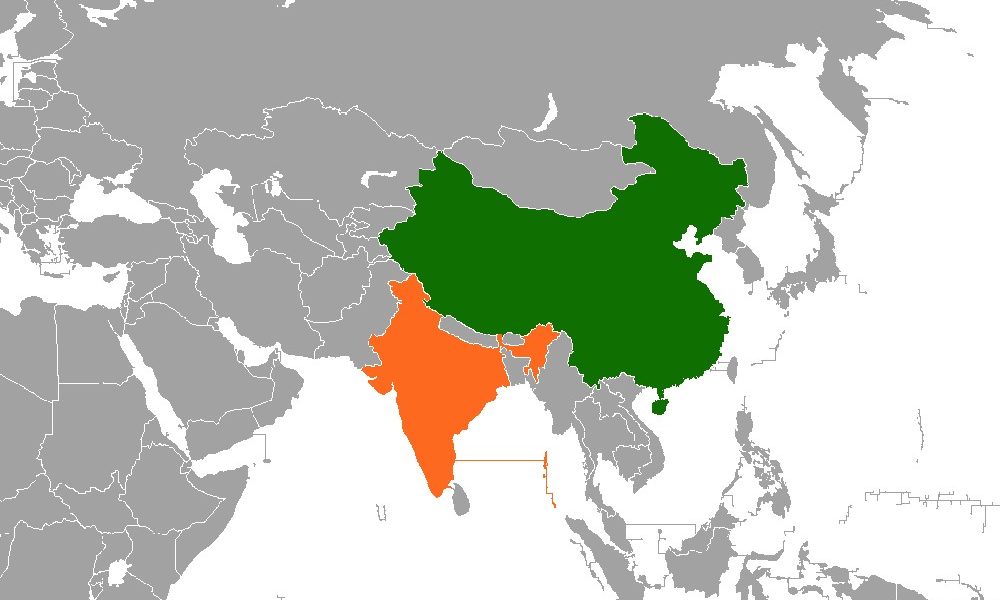
When it comes to choosing a travel destination, two of the most alluring options are China and India. Both countries offer a wealth of cultural, culinary, and adventure-filled experiences that captivate visitors from around the world. However, deciding which one to visit first can be a daunting task. In this comprehensive blog post, we’ll explore the unique characteristics of China and India, helping you determine which destination aligns best with your travel preferences and interests.
China or India: Best for Culture
China and India are renowned for their rich and diverse cultures, each with a distinct history and traditions that have captivated travelers for centuries. When it comes to cultural experiences, both countries have a lot to offer, but there are some notable differences.
Ancient Civilizations
China boasts an exceptionally long history, with the earliest known civilizations dating back to the Shang dynasty (c. 1600-1046 BCE). The Great Wall of China, the Forbidden City, and the Terracotta Warriors are just a few of the awe-inspiring ancient sites that showcase the country’s enduring cultural legacy. In contrast, India’s earliest known civilization, the Indus Valley Civilization, dates back to around 3300-1300 BCE, making it one of the oldest civilizations in the world. The grand palaces, intricate temples, and stunning rock-cut architecture of India are a testament to its rich cultural heritage.
Religious Diversity
Both China and India are home to a diverse array of religions, but the religious landscape of each country differs significantly. China is predominantly influenced by Taoism, Confucianism, and Buddhism, with Christianity and Islam also having a presence. India, on the other hand, is known for its remarkable religious diversity, with Hinduism, Buddhism, Sikhism, Islam, and Christianity all playing integral roles in the country’s cultural fabric.
Linguistic Diversity
China has a relatively unified linguistic landscape, with Mandarin Chinese being the most widely spoken language. However, the country is also home to a variety of regional dialects and minority languages. India, on the other hand, is incredibly linguistically diverse, with over 19,000 dialects and 22 officially recognized languages, including Hindi, Bengali, Telugu, and Tamil, among others.
Cultural Festivals
Both China and India celebrate a rich tapestry of cultural festivals throughout the year. In China, the Lunar New Year, also known as the Spring Festival, is the most widely celebrated event, while India is renowned for its vibrant festivals like Diwali, Holi, and Dussehra, each with its own unique traditions and customs.
Overall, while both China and India offer unparalleled cultural experiences, the specific cultural highlights and characteristics of each country may appeal to different types of travelers. Depending on your interests and preferences, one destination may be better suited to your cultural exploration needs.
China or India: Best for Food
When it comes to the world of cuisine, both China and India are undoubtedly culinary powerhouses, each offering a diverse array of flavors, ingredients, and regional specialties that have captivated the global palate.
Regional Cuisines
China’s vast geography and diverse ethnic makeup have given rise to a wide range of regional cuisines, each with its own unique flavors and cooking techniques. From the spicy Sichuan dishes of the southwest to the delicate seafood-based cuisine of the coastal regions, the culinary landscape of China is truly a feast for the senses.
India, on the other hand, boasts an equally diverse and complex culinary tradition, with each region of the country offering its own distinct culinary specialties. The aromatic curries and tandoor-baked breads of the north, the coconut-infused dishes of the south, and the diverse street food scene across the country all contribute to India’s status as a gastronomic paradise.
Ingredients and Flavors
The use of ingredients and flavors in Chinese and Indian cuisines also differs significantly. Chinese cooking typically relies on a more balanced blend of flavors, often featuring the interplay of sweet, sour, salty, and umami. Common ingredients include soy sauce, rice vinegar, ginger, and a variety of vegetables and proteins.
Indian cuisine, on the other hand, is known for its bold and complex flavors, often achieved through the liberal use of spices such as cumin, coriander, turmeric, and chili peppers. The extensive use of dairy products, such as yogurt and ghee, as well as the incorporation of lentils, legumes, and fresh herbs, also contribute to the unique taste profile of Indian dishes.
Dining Experiences
The dining experiences in China and India also offer distinct cultural immersions. In China, communal dining, where dishes are shared among the table, is the norm, fostering a sense of togetherness and promoting the sampling of a variety of flavors.
India, on the other hand, is renowned for its vibrant street food culture, with vendors offering a kaleidoscope of snacks and delicacies that can be enjoyed on the go. From the fragrant biryani to the crispy samosas, the street food of India is a testament to the country’s culinary ingenuity and diversity.
Whether you’re a passionate foodie or simply seeking a gastronomic adventure, both China and India offer a wealth of culinary experiences that are sure to tantalize your taste buds and leave you craving more.
China or India: Best for Nightlife
When it comes to nightlife, both China and India offer unique and lively experiences, catering to a wide range of interests and preferences.
Cosmopolitan Cities
China’s major cities, such as Shanghai, Beijing, and Hong Kong, are known for their dynamic and sophisticated nightlife scenes. These metropolitan hubs boast an array of upscale bars, clubs, and lounges that cater to a discerning clientele, offering everything from high-end cocktails to trendy dance floors.
India, on the other hand, has its own vibrant nightlife, particularly in cities like Mumbai, Delhi, and Goa. While the nightlife in India may have a more eclectic and laid-back vibe, it still offers a diverse range of options, from rooftop bars and live music venues to lively clubs and beach parties.
Traditional Experiences
Both China and India also offer opportunities to immerse oneself in more traditional forms of nightlife and entertainment. In China, visitors can explore the atmospheric teahouses and ancient water towns, where traditional performances, such as Peking opera and shadow puppetry, can be enjoyed.
Similarly, India boasts a rich tradition of performing arts, with opportunities to witness classical dance forms like Bharatanatyam, Kathak, and Odissi, as well as folk music and theater performances in various regions.
Festivals and Events
The nightlife in China and India is also often punctuated by a calendar of lively festivals and events. In China, the Lunar New Year celebrations and the Mid-Autumn Festival are two major events that offer a vibrant and festive nightlife experience, with dazzling fireworks displays, traditional lantern shows, and cultural performances.
India, too, has a rich tapestry of festivals, such as Diwali, Holi, and Dussehra, which often feature lively celebrations, music, and dance that continue well into the night.
Whether you’re seeking a cosmopolitan nightlife experience or a deeper immersion in traditional entertainment, both China and India offer a diverse range of options to cater to every traveler’s nightlife preferences.
China or India: Best for Adventure Travel
Both China and India present ample opportunities for the adventurous traveler, with a wide range of activities and experiences that cater to thrill-seekers and outdoor enthusiasts alike.
Trekking and Hiking
China is home to some of the world’s most breathtaking mountain ranges, including the majestic Himalayas, the Kunlun Mountains, and the Tian Shan range. These stunning landscapes offer endless opportunities for trekking and hiking, from challenging multi-day expeditions to more leisurely day hikes. The picturesque Tiger Leaping Gorge and the ancient Silk Road routes are just a few of the renowned trekking destinations in China.
India, too, is a trekker’s paradise, with the Himalayas spanning the northern regions of the country. Iconic treks like the Annapurna Circuit, the Everest Base Camp, and the Ladakh region in Jammu and Kashmir offer awe-inspiring views and a chance to immerse oneself in the local culture.
Water-based Activities
When it comes to water-based adventures, both China and India have plenty to offer. China’s vast coastline and numerous rivers, such as the Yangtze and the Li River, provide opportunities for activities like white-water rafting, kayaking, and even scuba diving in the southern regions.
India, meanwhile, boasts stunning beaches, backwaters, and river systems that cater to a variety of water sports, from surfing and diving in Goa to houseboating in the Kerala Backwaters.
Wildlife Encounters
Both countries are home to diverse and abundant wildlife, offering unique opportunities for animal encounters. In China, the iconic giant pandas, Siberian tigers, and snow leopards can be spotted in protected reserves and national parks, while India is renowned for its tiger safaris, elephant sightings, and diverse birdlife.
Adrenaline-Fueled Activities
For the most daring adventurers, both China and India offer a range of adrenaline-pumping activities, such as bungee jumping, skydiving, and rock climbing. In China, the Zhangjiajie National Forest Park and the Tianmen Mountain offer thrilling activities, while India boasts destinations like Rishikesh, Himachal Pradesh, and Ladakh for these extreme pursuits.
Whether you’re seeking breathtaking natural landscapes, water-based adventures, or heart-pounding activities, both China and India present a wealth of opportunities for the ultimate adventure travel experience.
China or India: Best for Trekking
When it comes to trekking, both China and India are true powerhouses, offering some of the most stunning and challenging hiking routes in the world.
The Himalayas
The Himalayas, the world’s highest mountain range, span across both China and India, providing trekkers with unparalleled opportunities for exploration and adventure. In China, the Himalayan regions of Tibet, Sichuan, and Yunnan offer a wealth of trekking options, from the iconic Mount Everest Base Camp trek to the less-crowded, but equally breathtaking, trails in the Kangri Garpo and Karakoram ranges.
India’s Himalayan states, such as Jammu and Kashmir, Himachal Pradesh, and Uttarakhand, are also renowned for their outstanding trekking routes. Treks like the Chadar Trek on the frozen Zanskar River, the challenging Markha Valley trek in Ladakh, and the picturesque Singalila Ridge trek in Sikkim are just a few of the many highlights.
Diverse Landscapes
Beyond the Himalayas, both China and India offer a rich tapestry of diverse landscapes that are ripe for trekking exploration. In China, the remote Xinjiang region boasts the stunning Tianshan Mountains, while the Yunnan province is home to the Tiger Leaping Gorge and the Meili Snow Mountains.
India, too, has a wealth of trekking destinations outside the Himalayas, such as the lush Western Ghats in the south, the rugged Sahyadri range in the west, and the Nilgiri Hills in the south, each offering their own unique trekking experiences.
Cultural Immersion
Trekking in both China and India provides an unparalleled opportunity for cultural immersion, as the trails often lead through remote villages and allow for meaningful interactions with local communities. Hikers can learn about traditional customs, experience local cuisine, and gain a deeper understanding of the rich cultural heritage of these diverse nations.
Difficulty Levels
Whether you’re a seasoned trekker or a beginner, both China and India offer a range of difficulty levels to suit your experience and fitness level. From easy day hikes to arduous multi-day treks, there is something for every adventurer. However, it’s important to note that some of the high-altitude treks in both countries, particularly in the Himalayas, require a higher level of physical fitness and acclimatization.
Ultimately, both China and India present exceptional trekking opportunities, each with its own unique landscapes, cultural experiences, and challenges. Depending on your personal preferences and skill level, either destination can offer an unforgettable and transformative trekking adventure.
China or India: Best for Beaches
When it comes to beach destinations, both China and India have a lot to offer, with each country boasting a diverse range of coastal regions and beach experiences.
China’s Coastal Regions
China’s extensive coastline stretches from the tropical hues of Hainan Island in the south to the temperate beaches of Qingdao in the north. Some of the most notable beach destinations in China include Sanya, a popular resort town on Hainan Island known for its palm-fringed beaches and vibrant nightlife; Xiamen, a coastal city with a mix of colonial architecture and pristine beaches; and Qingdao, a seaside city renowned for its German-influenced architecture and laid-back beach culture.
India’s Coastal Regions
India, with its vast coastline encompassing the Arabian Sea, the Indian Ocean, and the Bay of Bengal, is also a beach lover’s paradise. The western state of Goa is perhaps the country’s most famous beach destination, known for its sun-drenched shores, vibrant beach parties, and Portuguese-influenced culture. Other notable beach regions in India include the Kerala Backwaters, the Andaman and Nicobar Islands, and the coastal towns of Maharashtra, such as Ganapatipule and Tarkarli.
Variety of Experiences
Both China and India offer a diverse range of beach experiences, catering to different traveler preferences. In China, the beaches range from the lively and developed resort towns to the more secluded and tranquil stretches of coastline, providing options for both those seeking bustling beach life and those craving a peaceful escape.
Similarly, India’s beach destinations cater to a wide spectrum of travelers, from the party-focused beaches of Goa to the serene and family-friendly beaches of Kerala and the Andaman Islands. Adventurous travelers can also find opportunities for activities like surfing, snorkeling, and scuba diving in various coastal regions of both countries.
Culinary Delights
No beach vacation is complete without indulging in the local cuisine, and both China and India offer a wealth of culinary experiences. In China, visitors can savor fresh seafood, accompanied by local specialties like Hainan chicken rice and Sichuan-style hot pot. India’s coastal regions, on the other hand, are renowned for their delectable seafood dishes, such as Kerala’s spicy fish curries and Goa’s iconic vindaloo.
Whether you’re seeking a lively beach party, a tranquil seaside retreat, or a gastronomic adventure, both China and India have a wealth of coastal destinations that are sure to satisfy your beach-going desires.
China or India: Best for Family
When it comes to family travel, both China and India offer a wealth of experiences that cater to travelers of all ages, providing a balance of cultural immersion, natural wonders, and family-friendly activities.
Diverse Attractions
China’s vast and varied landscape presents a bounty of family-friendly attractions, from the iconic Great Wall and the Terracotta Warriors to the serene landscapes of Guilin and Zhangjiajie National Forest Park. Families can explore bustling cities like Beijing and Shanghai, marvel at the natural beauty of the Li River, and even encounter the majestic giant pandas in Chengdu.
India, on the other hand, boasts a rich tapestry of cultural heritage, stunning natural landscapes, and kid-friendly activities. Families can explore the grand palaces and forts of Rajasthan, embark on wildlife safaris in search of tigers, elephants, and diverse birdlife, and immerse themselves in the vibrant colors and sounds of India’s bustling cities.
Accommodation Options
Both China and India offer a range of family-friendly accommodation options, from five-star resorts and all-inclusive hotels to more budget-friendly options like guesthouses and homestays. Many of these accommodations provide amenities tailored to families, such as family suites, children’s activities, and babysitting services.
Culinary Experiences
Exploring the local cuisine is an integral part of any family vacation, and both China and India offer a wealth of culinary delights that can appeal to even the pickiest of eaters. In China, families can indulge in a variety of regional specialties, from the comforting noodle dishes of the north to the delicate dim sum of the south. India, on the other hand, boasts a diverse range of flavorful curries, tandoor-baked breads, and vibrant street food that can cater to both adventurous and more conservative palates.
Safety and Accessibility
Both China and India have made significant strides in ensuring accessibility and safety for family travelers. Major tourist destinations in both countries have improved infrastructure, with accessible transportation, family-friendly facilities, and multilingual support, making it easier for families to navigate and explore with peace of mind.
Ultimately, whether you choose China or India for your family vacation, you can be assured of a rich and memorable experience, filled with opportunities for cultural immersion, natural wonders, and family bonding.
China or India: Best for Honeymoon
When it comes to honeymoon destinations, both China and India offer a wealth of romantic and enchanting experiences, catering to couples seeking a truly special and unforgettable getaway.
ScenicChina’s diverse landscapes offer a range of romantic settings for honeymooners, from the misty mountains of Zhangjiajie to the picturesque water towns of Suzhou. Couples can embark on a leisurely cruise along the Li River, marvel at the sunrise over the iconic karst peaks of Guilin, or stroll hand in hand through the ancient alleyways of Lijiang’s Old Town.
Cultural Experiences
For couples seeking a blend of romance and cultural immersion, India’s rich heritage and vibrant traditions provide the perfect backdrop for a honeymoon to remember. From the majestic palaces of Rajasthan to the serene backwaters of Kerala, newlyweds can explore ancient temples, participate in traditional ceremonies, and savor the flavors of India’s diverse cuisines.
Luxury Accommodation
Both China and India boast a selection of luxurious accommodations that are ideal for honeymooners looking to indulge in a bit of pampering. From opulent palace hotels in India to boutique resorts nestled in the Chinese countryside, couples can unwind in style and enjoy amenities like private pools, spa treatments, and personalized services that cater to their every need.
Romantic Activities
Whether you prefer a leisurely sunset cruise on the backwaters of Kerala or a hot air balloon ride over the ancient temples of Bagan, both China and India offer a host of romantic activities for couples to enjoy together. Adventurous couples can trek to remote monasteries in the Himalayas, while those seeking relaxation can unwind on the pristine beaches of Goa or Hainan Island.
Culinary Delights
Food plays a central role in any honeymoon experience, and both China and India offer a tantalizing array of culinary delights to tempt your taste buds. Indulge in a romantic dinner overlooking the Bund in Shanghai, sample street food delicacies in Delhi, or savor a candlelit meal under the stars in Udaipur, as you toast to your new life together.
Conclusion
In conclusion, whether you choose to explore the rich cultural tapestry of India or immerse yourself in the ancient traditions of China, both countries offer a wealth of experiences that cater to a variety of travel preferences. From culinary adventures to adrenaline-pumping treks, family-friendly attractions to romantic getaways, each destination has its own unique charm and allure. Ultimately, the choice between China and India comes down to personal preferences, interests, and the type of experience you seek. Whichever destination you choose, you are sure to create lasting memories and unforgettable moments that will stay with you long after your journey ends. So, pack your bags, embark on your adventure, and let the magic of China or India unfold before you.