
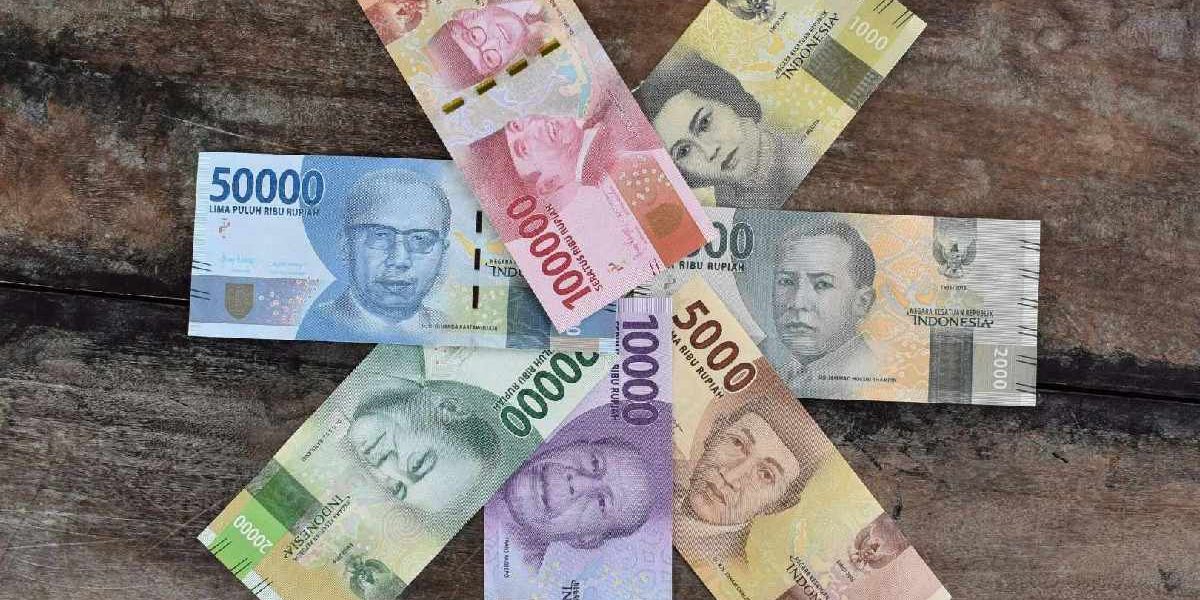
The Indonesian rupiah is the official currency of Indonesia, issued and controlled by the Bank of Indonesia. It’s essential to understand the Indonesian rupiah, including how to exchange it, various payment methods, and the banking system, to navigate the country’s economy effectively.
Indonesian rupiah
The Indonesian rupiah is the cornerstone of Indonesia’s economy, playing a vital role in the country’s financial transactions. Understanding its value, history, and usage is crucial for anyone visiting or doing business in Indonesia.
History and Denominations
The Indonesian rupiah was introduced in 1946, replacing the Netherlands Indies gulden. Over the years, it has undergone several changes, including a significant redenomination in 1965. The rupiah is available in various denominations, including coins and banknotes. The banknotes are issued in denominations of Rp1,000, Rp2,000, Rp5,000, Rp10,000, Rp20,000, Rp50,000, and Rp100,000.

The different denominations cater to various transaction needs, from small purchases to larger financial dealings. It’s worth noting that not all denominations are widely accepted, particularly in smaller towns or traditional markets. For instance, larger denomination notes like Rp100,000 might be difficult to break in some rural areas.
Understanding the history and available denominations of the Indonesian rupiah can help individuals prepare for their financial transactions in Indonesia.
Currency Symbol and Code
The Indonesian rupiah is symbolized as “Rp” and its ISO code is IDR. This is important for financial transactions, especially when dealing with international exchanges or currency conversions. The symbol “Rp” is widely recognized and used in Indonesia for pricing goods and services.
When exchanging currency or using ATMs, it’s essential to be aware of the current exchange rates and any associated fees. This knowledge helps in making informed decisions about when and how to exchange your money.
Value and Exchange Rates
The value of the Indonesian rupiah can fluctuate against other currencies due to various economic factors. The exchange rate is determined by the foreign exchange market, where supply and demand dictate the rupiah’s value relative to other currencies.
To get the best exchange rates, it’s advisable to compare rates among different currency exchange providers, including banks and specialized currency exchange offices. Some hotels and tourist areas also offer currency exchange services, but their rates might not be as favorable.
Changing Money in Indonesia
Exchanging your money for Indonesian rupiah is a crucial step when traveling to or doing business in Indonesia. Understanding the best ways to exchange your currency can save you money and hassle.
Where to Exchange Currency
There are several places where you can exchange your currency for Indonesian rupiah, including airports, banks, currency exchange offices, and some hotels. Airports typically have currency exchange services, but the rates might not be the most favorable due to the convenience they offer.
Banks are generally a good option for exchanging currency, as they tend to offer competitive rates. However, they might have limited hours of operation and could charge fees for the service. Currency exchange offices, on the other hand, often have longer operating hours and might offer better rates than banks, but it’s essential to compare rates and check for any fees.
Using ATMs
Using ATMs is another convenient way to obtain Indonesian rupiah. Most ATMs in Indonesia accept international debit and credit cards, allowing you to withdraw cash in the local currency. Be aware that you might be charged a fee by your bank for international transactions, and some ATMs in Indonesia may also charge a withdrawal fee.
To minimize fees, it’s a good idea to withdraw larger amounts less frequently. However, it’s also important to be mindful of your personal safety when using ATMs, especially at night or in isolated areas.
Avoiding Black Market Exchanges
While it might be tempting to exchange your money on the black market to get a better rate, it’s generally not recommended. Black market exchanges can be risky, as the rates might not be as favorable as they seem, and there’s a risk of receiving counterfeit currency.
Here is a list of tips for exchanging money safely:
- Compare exchange rates among different providers.
- Check for any fees associated with the exchange.
- Use reputable banks or currency exchange offices.
- Avoid exchanging money on the street or through unverified sources.
Payment Methods in Indonesia
Indonesia has seen a significant evolution in Payment Methods in Indonesia, with a growing trend towards digital payments. Understanding the various payment options available can make your experience in Indonesia smoother.
Cash Payments
Cash remains a widely accepted payment method in Indonesia, particularly in traditional markets and smaller establishments. While many businesses, especially in tourist areas, accept credit cards, it’s still a good idea to carry some cash, especially for smaller purchases or when traveling to rural areas.
Credit and Debit Cards
Credit and debit cards are accepted in many establishments, including restaurants, hotels, and shops, particularly in urban areas. Visa and Mastercard are the most widely accepted card brands. Some businesses might also accept American Express and other brands, but it’s less common.
When using your card, be aware that some merchants might add a surcharge for card transactions. Informing your bank of your travel plans can also help avoid any issues with your card being flagged for suspicious activity.
Digital Payments
Digital payment methods, such as e-wallets and mobile payments, are becoming increasingly popular in Indonesia. Services like OVO, GoPay, and Dana allow users to make payments and transfer money using their smartphones.
These digital payment methods are not only convenient but also offer a secure way to make transactions. Many businesses, including street vendors and small shops, now accept digital payments, making it easier to get around without carrying large amounts of cash.
Banking System in Indonesia
The Banking System in Indonesia plays a vital role in the country’s economy, providing a range of financial services to individuals and businesses.
Types of Banks
Indonesia has a diverse banking sector, with various types of banks catering to different needs. Commercial banks offer a wide range of services, including savings accounts, loans, and credit cards. Islamic banks operate based on Sharia principles, offering products that comply with Islamic law.
Banking Services
Banks in Indonesia provide a variety of services, including account management, money transfers, and investment products. Many banks also offer online banking and mobile banking services, allowing customers to manage their finances remotely.
For foreigners, some banks offer special accounts and services tailored to their needs, including multi-currency accounts and international money transfers.
Opening a Bank Account
Opening a bank account in Indonesia can be a straightforward process, especially for those with a valid residence permit (KITAS). Required documents typically include a passport, KITAS, and proof of address.
Having a local bank account can be beneficial for managing your finances in Indonesia, especially if you plan to stay for an extended period or conduct regular financial transactions.
Safety and Security Tips
When dealing with financial transactions in Indonesia, it’s essential to be mindful of safety and security.
Protecting Your Money
Carrying large amounts of cash can be risky, so it’s advisable to use a combination of payment methods, including cards and digital payments. Keeping your valuables secure, especially in crowded areas or tourist hotspots, is also crucial.
Avoiding Scams
Be cautious of scams, particularly those involving currency exchange or investment opportunities that seem too good to be true. Always verify the authenticity of a business or service before making any transactions.
Using Secure ATMs
When using ATMs, choose machines located in well-lit, secure areas. Cover the keypad when entering your PIN, and be aware of your surroundings.
Frequently Asked Questions
Here are some answers to common questions about financial transactions and banking in Indonesia.
Can I use my credit card everywhere in Indonesia?
While many establishments in Indonesia accept credit cards, especially in urban and tourist areas, it’s not universal. It’s a good idea to carry some cash, especially for smaller purchases or when traveling to rural areas.
How do I avoid fees when withdrawing cash?
To minimize fees, use ATMs affiliated with your bank’s international network, and be aware of any withdrawal fees charged by the ATM operator. Withdrawing larger amounts less frequently can also help reduce fees.
Is it safe to use digital payments in Indonesia?
Yes, digital payments are generally safe in Indonesia, with many services offering robust security measures. However, as with any financial transaction, it’s essential to be cautious and follow best practices to protect your information.
Conclusion
Understanding the Indonesian rupiah, how to exchange it, the various Payment Methods in Indonesia, and the Banking System in Indonesia is crucial for navigating the country’s financial landscape. By being informed and taking necessary precautions, you can ensure a smooth and secure financial experience in Indonesia.