
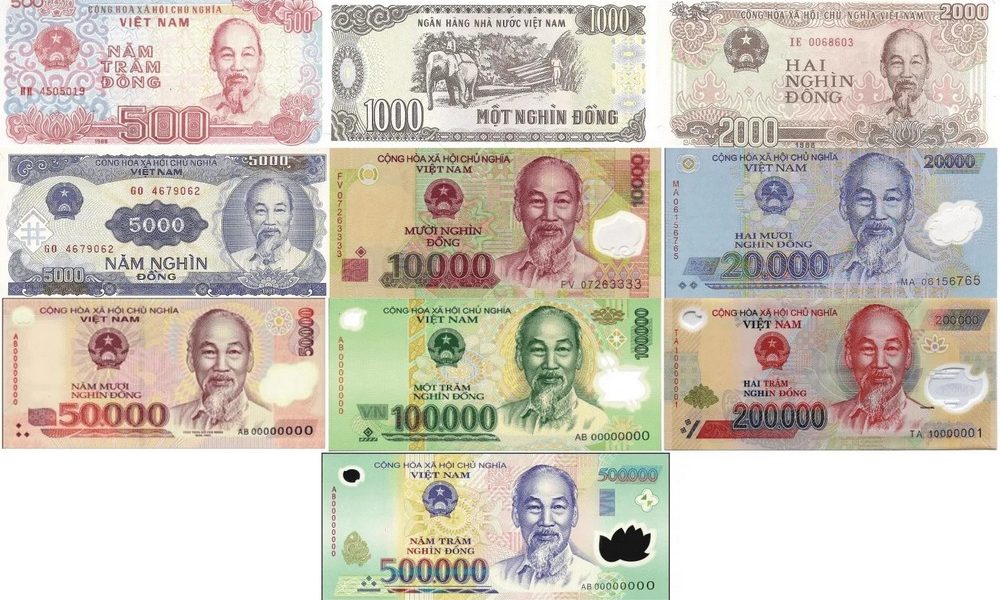
Vietnam, a Southeast Asian nation known for its rich cultural heritage, vibrant landscapes, and rapidly growing economy, has a unique and dynamic currency system that plays a crucial role in its financial landscape. The Vietnamese dong (VND) is the official currency of the Socialist Republic of Vietnam, and its evolution over the years reflects the country’s economic transformation and integration into the global financial system.
In this comprehensive blog post, we will delve into the intricacies of the Vietnamese currency, exploring its historical roots, current denominations and design, foreign exchange regulations, the role of cashless transactions, the influence of the central bank’s monetary policy, and the economic impact of exchange rate fluctuations. We will also examine the investment opportunities related to the Vietnamese dong and discuss the challenges and prospects that lie ahead for this dynamic currency.
Historical Evolution of Vietnamese Currency
The Trinh Currency System
The history of Vietnamese currency can be traced back to the Trinh dynasty, which ruled the northern region of Vietnam from the 16th to the 18th century. During this period, the Trinh currency system was established, with the main unit of currency being the tien, a type of copper coin. The Trinh currency system played a crucial role in facilitating trade and commerce within the region, as well as interactions with neighboring countries.
Trinh Currency Denominations
| Denomination | Description |
|---|---|
| Tien | The primary copper coin unit |
| Quan | Equal to 10 tien |
| Liang | Equal to 10 quan or 100 tien |
The Trinh currency system, with its distinct denominations and physical characteristics, laid the foundation for the development of the Vietnamese monetary system in the following centuries.
The French Colonial Era and the Indochinese Piastre
In the late 19th century, the French colonial rule over Vietnam led to the introduction of the Indochinese piastre, which became the dominant currency in the region. The Indochinese piastre was modeled after the French colonial currency and was widely used in French Indochina, which included modern-day Vietnam, Laos, and Cambodia.
The Indochinese piastre was initially pegged to the French franc, and it served as a unifying currency across the French Indochina territories. This currency system facilitated trade and economic integration within the colonial empire, as well as with other European powers. The Indochinese piastre remained in circulation until the end of the French colonial era in the mid-20th century.
The transition from the Trinh currency system to the Indochinese piastre marked a significant shift in Vietnam’s monetary landscape. The French colonial administration’s introduction of the piastre system not only influenced the country’s economic and financial structures but also had far-reaching implications for its cultural and political dynamics.
The Indochinese piastre, with its distinct design and denominations, became a symbol of French colonial influence in the region. Its widespread use and acceptance in trade and commerce reinforced the colonial power’s economic and political dominance over Vietnam and its neighboring territories.
The Vietnamese Dong and the Doi Moi Reforms
After the Vietnam War and the country’s reunification in 1975, the Vietnamese dong (VND) was introduced as the new national currency, replacing the piastre. The introduction of the Vietnamese dong marked a significant shift in the country’s economic and financial landscape, as it coincided with the implementation of the Doi Moi (Renovation) reforms in the late 1980s.
The Doi Moi reforms were a series of economic and political reforms implemented by the Vietnamese government, aimed at transitioning the country from a centrally planned economy to a market-oriented one. These reforms had a profound impact on the Vietnamese currency, as the government sought to modernize the financial system and integrate the economy into the global market.
The introduction of the Vietnamese dong and the implementation of the Doi Moi reforms led to a gradual liberalization of the country’s exchange rate system. This transition from a fixed exchange rate to a more flexible system allowed the Vietnamese currency to fluctuate in response to market forces, thus enhancing the country’s economic competitiveness and integration with the global financial system.
The Doi Moi reforms and the adoption of the Vietnamese dong played a crucial role in Vietnam’s economic transformation, paving the way for the country’s rapid development and integration into the global economy. This period marked a significant departure from the country’s socialist-oriented economic model and laid the foundation for Vietnam’s emergence as a dynamic and rapidly growing market.
The Vietnamese Dong: Denominations and Design
The Vietnamese dong, or VND, is the official currency of Vietnam and has undergone several design and denomination changes over the years. Understanding the denominations and design features of the Vietnamese dong is essential for navigating the country’s financial landscape.
Denominations of the Vietnamese Dong
The Vietnamese dong is divided into smaller units, with the primary denominations being:
- 200 dong
- 500 dong
- 1,000 dong
- 2,000 dong
- 5,000 dong
- 10,000 dong
- 20,000 dong
- 50,000 dong
- 100,000 dong
- 200,000 dong
- 500,000 dong
The Vietnamese dong is primarily used in domestic transactions and is not widely traded in the global foreign exchange market. However, the currency’s wide range of denominations, from the smallest 1 dong to the largest 500,000 dong, reflects the country’s efforts to cater to the diverse financial needs of its population, from everyday purchases to larger-scale transactions.
The Vietnamese government has periodically introduced new banknote denominations and withdrawn older ones to maintain the currency’s purchasing power and adapt to the evolving economic landscape. This dynamic approach to currency management demonstrates the government’s commitment to providing a stable and efficient monetary system for the country.
The introduction of higher-value banknotes, such as the 200,000 dong and 500,000 dong, has been particularly significant in recent years. These larger denominations have helped to reduce the physical burden of carrying large amounts of currency and have facilitated larger-scale transactions, contributing to the overall efficiency of the Vietnamese financial system.
Design Features of the Vietnamese Dong
The Vietnamese dong features a distinctive design that reflects the country’s cultural heritage and national identity. Each banknote denomination showcases unique design elements, including:
The front side of the Vietnamese dong banknotes typically features portraits of prominent historical figures, such as Ho Chi Minh, the revered founding father of the Socialist Republic of Vietnam. These portraits not only serve as a means of honoring the country’s past but also contribute to the currency’s visual identity and national significance.
The reverse side of the Vietnamese dong banknotes often displays iconic landmarks, natural landscapes, or cultural symbols that are representative of Vietnam. These design elements, ranging from the iconic Hoan Kiem Lake in Hanoi to the picturesque Ha Long Bay, serve to highlight the country’s rich cultural heritage and natural beauty.
The Vietnamese dong also incorporates advanced security features to protect against counterfeiting, including watermarks, security threads, and color-shifting ink. These security measures have been continuously updated to keep pace with technological advancements and maintain the integrity of the currency.
Foreign Exchange Regulations in Vietnam
The Vietnamese government closely manages the country’s foreign exchange system, with a range of regulations and policies in place to control the flow of foreign currency and ensure the stability of the Vietnamese dong.
Foreign Exchange Regulations for Individuals
Individuals in Vietnam are subject to specific foreign exchange regulations when it comes to the possession and use of foreign currencies. Vietnamese citizens are generally allowed to hold and use foreign currency for international travel, education, and medical expenses, but there are limits on the amount that can be carried out of the country.
For Vietnamese citizens, the limit for carrying foreign currency out of the country is currently set at $5,000 per person. Individuals wishing to exceed this limit must obtain approval from the State Bank of Vietnam, the country’s central bank. This regulation aims to maintain control over the outflow of foreign currency and ensure the stability of the Vietnamese dong.
In addition to the restrictions on taking foreign currency out of the country, Vietnamese citizens are also required to declare any foreign currency in their possession when entering or leaving Vietnam. This declaration process is part of the government’s efforts to monitor and regulate the flow of foreign currency within the country.
Foreign Exchange Regulations for Businesses
The Vietnamese government’s foreign exchange regulations extend beyond individual citizens and also apply to businesses operating in the country. Enterprises in Vietnam are required to comply with specific guidelines when handling foreign currency transactions, such as converting foreign currency earnings into Vietnamese dong within a specified timeframe.
Businesses in Vietnam are generally required to open and maintain their accounts in Vietnamese dong, with limited exceptions for certain types of foreign-invested enterprises or companies engaged in cross-border trade. This requirement helps to maintain the dominance of the Vietnamese dong in the country’s financial system and supports the central bank’s monetary policy objectives.
The State Bank of Vietnam closely monitors and regulates the foreign exchange activities of businesses, including the conversion of foreign currency earnings, the repatriation of profits, and the settlement of international transactions. These regulations are designed to ensure the efficient management of the country’s foreign exchange reserves and the stability of the Vietnamese dong.
Cashless Transactions in Vietnam
The rise of digital payment solutions and the increasing adoption of cashless transactions have had a significant impact on Vietnam’s financial landscape, including the use of the Vietnamese dong.
The Growth of Digital Payment Platforms
Vietnam has experienced a rapid expansion of digital payment platforms in recent years, driven by the country’s growing internet and smartphone penetration, as well as the government’s push for financial inclusion and the digitalization of the economy. Leading digital payment companies, such as MoMo, ViettelPay, and ZaloPay, have gained significant traction, offering a wide range of services, including mobile wallets, e-commerce payments, and peer-to-peer transfers.
The widespread adoption of these digital payment platforms has contributed to the increasing use of the Vietnamese dong in electronic transactions, as consumers and businesses alike embrace the convenience and efficiency of cashless payments. This trend has reduced the reliance on physical cash and has implications for the overall usage and management of the Vietnamese currency.
The rise of cashless transactions in Vietnam has also attracted the attention of international payment giants, such as Visa and Mastercard, which have established a strong presence in the country. These global players have partnered with local banks and fintech companies to provide seamless and secure digital payment solutions, further accelerating the shift towards a more cashless society in Vietnam.
The Role of the Vietnamese Dong in Cashless Transactions
The Vietnamese dong plays a central role in the country’s cashless transaction ecosystem. Digital payment platforms and e-commerce platforms operating in Vietnam typically use the Vietnamese dong as the primary currency for all transactions, reflecting the government’s emphasis on maintaining the dominance of the national currency in the country’s financial system.
The widespread use of the Vietnamese dong in cashless transactions has several implications. It helps to strengthen the currency’s position and enhances its liquidity, as more transactions are conducted using the dong. Additionally, the integration of the Vietnamese dong into digital payment platforms can contribute to increased transparency and traceability of financial transactions, supporting the government’s efforts to combat financial crimes and ensure the overall stability of the financial system.
The growing popularity of cashless transactions in Vietnam has also led to the development of innovative financial products and services, such as mobile wallets, digital lending platforms, and peer-to-peer money transfer services. These advancements have the potential to further drive the usage of the Vietnamese dong and contribute to the country’s financial inclusion and economic development.
The Central Bank of Vietnam and Monetary Policy
The Central Bank of Vietnam, also known as the State Bank of Vietnam (SBV), plays a crucial role in the management and regulation of the Vietnamese currency. The central bank’s monetary policy decisions and actions have a significant impact on the stability and performance of the Vietnamese dong.
Monetary Policy Objectives and Instruments
The primary objectives of the Central Bank of Vietnam’s monetary policy are to maintain price stability, support economic growth, and ensure the stability of the Vietnamese financial system. To achieve these objectives, the SBV utilizes a range of monetary policy instruments, including setting interest rates, adjusting reserve requirements for commercial banks, and conducting open market operations.
The SBV’s key policy interest rate, known as the refinance rate, is a critical tool in its monetary policy toolkit. Adjustments to the refinance rate can influence the overall level of interest rates in the economy, which in turn affects the demand for credit, investment, and spending, thereby impacting the value and stability of the Vietnamese dong.
In addition to interest rate management, the Central Bank of Vietnam also employs reserve requirements as a monetary policy instrument. By adjusting the amount of reserves that commercial banks must hold, the SBV can influence the level of liquidity in the banking system, which can have implications for the availability of credit and the stability of the Vietnamese dong.
Exchange Rate Management
The Central Bank of Vietnam plays a pivotal role in managing the exchange rate of the Vietnamese dong. The SBV has historically maintained a managed floating exchange rate regime, where the dong’s value is allowed to fluctuate within a certain range, but the central bank actively intervenes in the foreign exchange market to ensure the currency’s stability and competitiveness.
The SBV’s exchange rate management strategy involves setting a daily reference exchange rate for the Vietnamese dong against the U.S. dollar, which serves as a benchmark for commercial banks and foreign exchange market participants. The central bank also maintains a trading band around the reference rate, within which the dong is allowed to fluctuate.
The SBV’s exchange rate management policies have aimed to balance the need for a stable currency, which supports Vietnam’s economic development and integration into global trade, with the flexibility required to respond to changing market conditions and external shocks. This delicate balance has been a key focus of the central bank’s monetary policy efforts.
Exchange Rate Fluctuations and Economic Impact
The fluctuations in the exchange rate of the Vietnamese dong have significant implications for Vietnam’s economy, affecting various sectors, businesses, and individuals.
Factors Influencing the Vietnamese Dong Exchange Rate
The value of the Vietnamese dong is influenced by a range of factors, both domestic and external. Domestic factors include the country’s economic performance, inflation rates, interest rate policies, and the balance of payments. External factors, such as global economic conditions, the strength of the U.S. dollar, and the trading activities of foreign investors, can also exert significant influence on the Vietnamese dong’s exchange rate.
The Central Bank of Vietnam’s exchange rate management policies, as discussed in the previous section, play a crucial role in shaping the Vietnamese dong’s exchange rate movements. The SBV’s interventions in the foreign exchange market, as well as its adjustments to the reference exchange rate and trading band, aim to maintain the currency’s stability and competitiveness.
Additionally, market sentiment and expectations can also impact the Vietnamese dong’s exchange rate. Perceptions of Vietnam’s economic outlook, political stability, and the country’s integration into the global financial system can all influence the demand for the Vietnamese currency, leading to fluctuations in its value.
Economic Impacts of Exchange Rate Fluctuations
Fluctuations in the Vietnamese dong’s exchange rate can have far-reaching economic implications for Vietnam. A stronger dong can make Vietnamese exports more expensive for foreign buyers, potentially reducing the country’s export competitiveness. Conversely, a weaker dong can make imports more expensive, leading to higher inflation and affecting the purchasing power of Vietnamese consumers.
Exchange rate movements can also impact the profitability and competitiveness of businesses operating in Vietnam, particularly those with significant foreign currency-denominated assets or liabilities. Importers and exporters, as well as companies with international operations, are particularly sensitive to exchange rate fluctuations and must adapt their strategies accordingly.
The impact of exchange rate fluctuations on the Vietnamese economy can also extend to broader sectors, such as tourism, foreign direct investment, and the purchasing power of Vietnamese households. Policymakers must carefully monitor and manage these dynamics to ensure the stability and growth of the Vietnamese economy.
Investment Opportunities Related to Currency in Vietnam
The Vietnamese dong and the broader currency landscape in Vietnam present various investment opportunities for both domestic and international investors.
Opportunities in the Foreign Exchange Market
The foreign exchange market in Vietnam, though relatively smaller compared to global financial hubs, offers investment opportunities for traders and investors. The managed floating exchange rate regime of the Vietnamese dong provides opportunities for speculative trading, where investors can attempt to profit from fluctuations in the currency’s value.
Currency futures and options contracts, traded on the Vietnam Derivatives Exchange (VNDex), allow investors tohedge against currency risk or speculate on the future movements of the Vietnamese dong. These financial instruments provide avenues for both risk management and potential profit generation based on exchange rate forecasts.
Moreover, foreign investors looking to enter the Vietnamese market can capitalize on currency-related opportunities by strategically timing their investments based on exchange rate expectations. A favorable exchange rate movement can enhance returns on investment and provide a competitive advantage in sectors such as manufacturing, real estate, or export-oriented industries.
Investment in Monetary Instruments
List:
- Government Bonds: Investing in Vietnamese government bonds denominated in the local currency can provide steady returns and exposure to the country’s debt market.
- Treasury Bills: Short-term treasury bills issued by the Vietnamese government offer liquidity and a relatively low-risk investment option for those seeking exposure to the Vietnamese dong.
- Money Market Instruments: Investors can consider money market funds or certificates of deposit denominated in Vietnamese dong for a combination of stability and potential yield.
Investing in monetary instruments denominated in the Vietnamese dong can offer diversification benefits and exposure to the country’s interest rate environment. By allocating a portion of their portfolio to Vietnamese money market instruments or government securities, investors can manage risk and take advantage of opportunities in the local currency.
Furthermore, the Central Bank of Vietnam’s monetary policies and interest rate decisions can impact the performance of monetary instruments in the country. Investors monitoring these policy developments can adjust their investment strategies accordingly to optimize returns and mitigate risks associated with changes in interest rates or liquidity conditions.
Overall, the investment landscape related to the Vietnamese dong offers a range of opportunities for investors seeking exposure to Vietnam’s economy and financial markets. By carefully assessing currency-related risks and opportunities, investors can strategically position their portfolios to benefit from the growth and stability of the Vietnamese currency.
Challenges and Prospects for the Vietnamese Dong
While the Vietnamese dong has shown resilience and stability in recent years, it still faces a set of challenges and uncertainties that may influence its future outlook.
Challenges Facing the Vietnamese Dong
| Challenges | Implications |
|---|---|
| Inflationary Pressures | Erodes purchasing power and affects domestic price levels |
| External Shocks and Market Volatility | Impact exchange rate stability and capital flows |
| Limited Internationalization of the Dong | Hinders global acceptance and usability of the currency |
One of the primary challenges facing the Vietnamese dong is inflationary pressures, which can erode the currency’s purchasing power and affect domestic price levels. Managing inflation within target ranges is crucial for maintaining the value and stability of the dong in the long run.
External shocks and market volatility present additional challenges for the Vietnamese dong, as sudden fluctuations in global economic conditions or capital flows can impact exchange rate stability. The Central Bank of Vietnam’s ability to effectively manage external risks and maintain currency stability is essential in addressing these challenges.
The limited internationalization of the Vietnamese dong also poses challenges for its broader acceptance and usability in global transactions. Enhancing the currency’s international presence through trade agreements, financial partnerships, and market liberalization efforts could address this challenge and increase the dong’s role in international finance.
Prospects and Opportunities for the Vietnamese Dong
Despite the challenges ahead, the Vietnamese dong holds significant prospects and opportunities for growth and development. Continued economic reforms, market liberalization, and integration into global financial systems can enhance the currency’s credibility and attractiveness to international investors.
The ongoing modernization of payment systems, digital banking infrastructure, and fintech adoption in Vietnam presents opportunities for expanding cashless transactions and promoting the wider use of the dong in digital payment ecosystems. These advancements can streamline financial services, improve efficiency, and boost the overall demand for the Vietnamese currency.
Furthermore, Vietnam’s robust economic performance, young and dynamic population, and strategic positioning within regional supply chains offer a solid foundation for the Vietnamese dong’s stability and growth. By leveraging these strengths and addressing key challenges, the Vietnamese currency can continue to play a vital role in the country’s economic progress and financial stability.
Conclusion
Currency plays a fundamental role in Vietnam’s economy, reflecting its history, economic policies, and global interactions. The Vietnamese dong, as the official currency of the country, embodies the nation’s economic journey and aspirations for growth and stability. From its historical evolution to its current denominations and design, the dong carries the heritage and resilience of Vietnam’s financial system.