
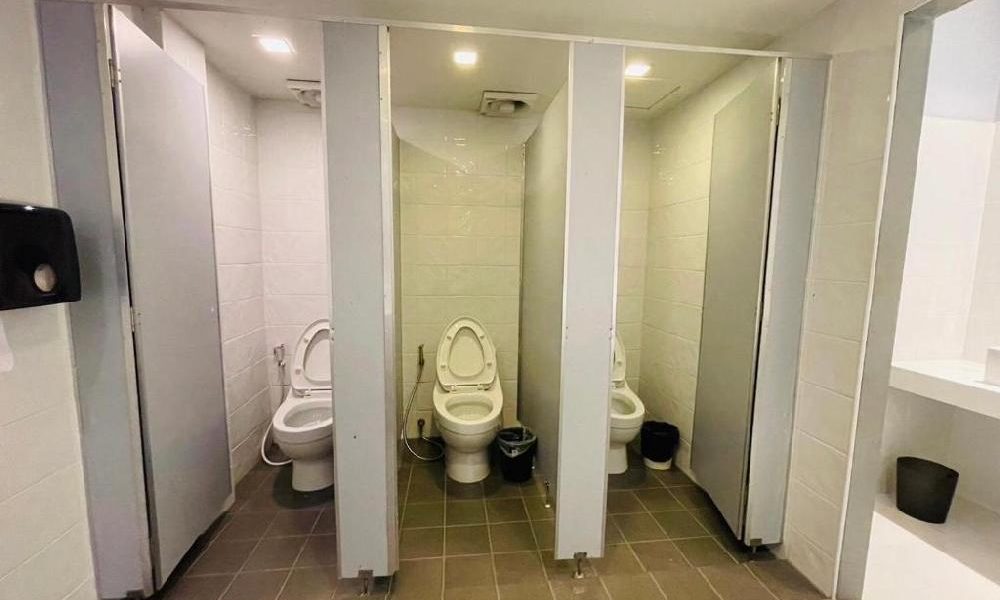
Nhà vệ sinh công cộng ở Thái Lan thể hiện một khía cạnh độc đáo và thường đầy thách thức của việc đi lại đối với cả người dân địa phương và khách du lịch. Việc điều hướng cảnh quan phòng tắm ở quốc gia Đông Nam Á sôi động này có thể phức tạp, với nhiều sắc thái văn hóa, những cân nhắc về vệ sinh và những thách thức thực tế khác biệt đáng kể so với mong đợi của phương Tây. Hướng dẫn toàn diện này sẽ khám phá mọi thứ bạn cần biết về nhà vệ sinh công cộng ở Thái Lan, cung cấp những hiểu biết sâu sắc, mẹo và lời khuyên thiết thực cho khách du lịch và những người quan tâm tìm hiểu cơ sở hạ tầng vệ sinh của đất nước. Ai sử dụng
Nhà vệ sinh công cộng ở Thái Lan?
Nhà vệ sinh công cộng ở Thái Lan phục vụ nhiều đối tượng người dùng đa dạng, từ người dân địa phương, khách du lịch quốc tế đến người dân thành thị và du khách nông thôn. Bối cảnh sử dụng nhà vệ sinh công cộng rất phức tạp và đa diện, phản ánh sự đa dạng về xã hội, kinh tế và văn hóa của đất nước.
Cư dân đô thị và người đi làm hàng ngày
Các khu vực đô thị ở Thái Lan, đặc biệt là ở các thành phố sầm uất như Bangkok, thể hiện một hệ sinh thái sử dụng nhà vệ sinh công cộng độc đáo. Những người đi làm, nhân viên văn phòng, người bán hàng rong và người dân địa phương thường xuyên dựa vào các cơ sở vệ sinh công cộng khác nhau trong sinh hoạt hàng ngày của họ. Người dân thành phố thường gặp nhà vệ sinh công cộng ở các trung tâm mua sắm, trung tâm giao thông, tòa nhà chính phủ và trung tâm thương mại. Các cơ sở vật chất này thường được bảo trì tốt hơn và hiện đại hơn so với các cơ sở vật chất ở nông thôn.
Khách du lịch và lữ hành quốc tế
Du khách quốc tế đại diện cho một nhân khẩu học đáng kể của người sử dụng nhà vệ sinh công cộng ở Thái Lan. Trải nghiệm và kỳ vọng của họ thường khác biệt đáng kể so với tiêu chuẩn địa phương, tạo ra cả thách thức lẫn cơ hội để hiểu biết về văn hóa. Khách du lịch phải thích nghi với các thực hành vệ sinh, thiết kế nhà vệ sinh và chuẩn mực văn hóa khác nhau xung quanh việc sử dụng phòng tắm. Hiểu được những sắc thái này có thể cải thiện đáng kể trải nghiệm du lịch của họ và giảm bớt sự khó chịu tiềm ẩn.
Dân số nông thôn và tầng lớp lao động
Ở khu vực nông thôn và trong cộng đồng tầng lớp lao động, việc sử dụng nhà vệ sinh công cộng tuân theo các mô hình và tiêu chuẩn khác nhau. Những nhóm dân cư này thường có cách tiếp cận thực tế và nguồn lực hơn đối với nhu cầu vệ sinh. Cộng đồng địa phương có thể dựa vào cơ sở vật chất chung, không gian tắm chung hoặc các giải pháp ngẫu hứng hơn phản ánh hoàn cảnh kinh tế và tập quán truyền thống của họ.
Các cân nhắc cụ thể về nhân khẩu học
Các nhóm tuổi, tầng lớp kinh tế xã hội và nền tảng văn hóa khác nhau tương tác với nhà vệ sinh công cộng ở Thái Lan theo những cách riêng. Người già, trẻ em, người khuyết tật và các nhóm dân tộc khác nhau có thể có những yêu cầu và kinh nghiệm riêng biệt.
Làm thế nào để sử dụng nhà vệ sinh công cộng ở Thái Lan?
Điều hướng nhà vệ sinh công cộng ở Thái Lan đòi hỏi sự hiểu biết về văn hóa cụ thể và những cân nhắc thực tế. Phần này sẽ cung cấp hướng dẫn toàn diện về cách sử dụng hiệu quả và tôn trọng các thiết bị phòng tắm ở các môi trường khác nhau.
Tìm hiểu các loại bồn cầu
Thái Lan và cung cấp nhiều cấu hình nhà vệ sinh, từ nhà vệ sinh ngồi xổm truyền thống đến kiểu ngồi kiểu phương Tây. Du khách phải làm quen với những biến thể này để đảm bảo trải nghiệm thoải mái và vệ sinh. Nhà vệ sinh ngồi xổm vẫn phổ biến ở nhiều không gian công cộng, đặc biệt là ở các tòa nhà cũ, khu vực nông thôn và các cơ sở kinh tế hợp túi tiền. Những điều này đòi hỏi những kỹ thuật cụ thể và khả năng thích ứng vật lý so với nhà vệ sinh có chỗ ngồi.
Thực hành vệ sinh và vệ sinh
Giữ gìn vệ sinh cá nhân là điều quan trọng khi sử dụng nhà vệ sinh công cộng ở Thái Lan. Du khách nên chuẩn bị sẵn vật dụng vệ sinh cá nhân và hiểu các quy trình vệ sinh của địa phương. Nên mang theo khăn ướt cá nhân, nước rửa tay và giấy vệ sinh vì nhiều cơ sở công cộng có thể không cung cấp những thứ thiết yếu này. Hiểu được kỳ vọng của người dân địa phương về sự sạch sẽ có thể giúp du khách tìm ra những khác biệt văn hóa tiềm ẩn. Thanh toán và sử dụng Nhiều nhà vệ sinh công cộng ở Thái Lan yêu cầu một khoản phí sử dụng nhỏ. Hiểu hệ thống thanh toán và có sự thay đổi phù hợp có thể giúp việc tiếp cận phòng tắm trở nên suôn sẻ hơn. Các trung tâm mua sắm, trung tâm vận tải và các điểm du lịch thường có cơ sở vật chất được quản lý tốt và được bảo trì tốt hơn. Một số địa điểm có thể cung cấp quyền sử dụng nhà vệ sinh miễn phí, trong khi những địa điểm khác yêu cầu phí vào cửa danh nghĩa.
Nghi thức văn hóa và kỳ vọng
Tôn trọng phong tục địa phương và duy trì nghi thức tắm đúng đắn của Cung là điều cần thiết. Điều này bao gồm việc mặc quần áo phù hợp, chú ý thực hành vệ sinh và hiểu các quy tắc xã hội bất thành văn. Du khách nên quan sát hành vi của người địa phương, giữ thái độ tôn trọng và thích nghi với cơ sở hạ tầng phòng tắm hiện có mà không có sự so sánh tiêu cực với nước sở tại.
Ưu và nhược điểm của nhà vệ sinh công cộng ở Thái Lan
Việc khám phá nhà vệ sinh công cộng ở Thái Lan có những ưu và nhược điểm riêng. Hiểu được những yếu tố này có thể trang bị cho du khách những kiến thức cần thiết để xử lý các tình huống liên quan đến nhà vệ sinh một cách tự tin và hiệu quả.
Ưu điểm của nhà vệ sinh công cộng
Nhà vệ sinh công cộng ở Thái Lan, đặc biệt là ở khu vực thành thị, có thể mang lại một số lợi ích. Các cơ sở vật chất được bảo trì tốt thường thấy ở các trung tâm mua sắm và các điểm du lịch mang lại sự thuận tiện và thoải mái khi thiên nhiên kêu gọi. Việc tiếp cận nước sạch và xà phòng có thể nâng cao đáng kể trải nghiệm của người dùng, giảm rủi ro sức khỏe liên quan đến vệ sinh kém. Hơn nữa, sự phong phú của cơ sở vật chất có nghĩa là thường có nơi nào đó để đi, ngay cả ở những vùng sâu vùng xa.
Nhược điểm tiềm ẩn
Tuy nhiên, người ta không thể bỏ qua những nhược điểm có thể xảy ra. Một số nhà vệ sinh công cộng có thể không được bảo trì hoặc thiếu sạch sẽ, dẫn đến tình trạng không thuận lợi. Du khách có thể nhận thấy rằng những nhu cầu cơ bản như giấy vệ sinh không phải lúc nào cũng có sẵn, đòi hỏi phải có sự chuẩn bị sẵn sàng. Việc điều chỉnh văn hóa đối với việc sử dụng bồn cầu ngồi xổm cũng có thể gây khó khăn cho những người lần đầu sử dụng. Du khách ban đầu có thể cảm thấy khó chịu, nhưng việc vượt qua những rào cản này có thể khiến du khách trân trọng hơn bối cảnh văn hóa phong phú xung quanh những điều như vậy. Thỏa hiệp thoải mái và xác thực
Cuối cùng, việc lựa chọn sử dụng nhà vệ sinh công cộng nhằm cân bằng giữa sự thoải mái và tính xác thực. Trong khi những tiện nghi hiện đại vẫy gọi ở những tiện nghi đô thị, thì việc lựa chọn những tiện nghi mộc mạc hoặc mang tính cộng đồng mang lại sự hòa nhập sâu sắc với văn hóa Thái Lan. Trải nghiệm có thể không phải lúc nào cũng hào nhoáng, nhưng không thể phủ nhận nó chân thực.
Quy định điều hướng
Cuối cùng, điều cần thiết là phải thừa nhận rằng nhà vệ sinh công cộng được quy định theo những nguyên tắc nhất định. Nhiều cơ sở tuân thủ các đảm bảo chất lượng của chính phủ, nhưng mỗi địa điểm đều khác nhau. Việc cập nhật thông tin về các khu vực cần tránh hoặc ưu tiên dựa trên đánh giá của khách du lịch có thể mang lại lợi ích cho chuyến du lịch của bạn.
Các giải pháp thay thế cho nhà vệ sinh công cộng ở Thái Lan
Trong khi nhà vệ sinh công cộng là nguồn cứu trợ chính, các lựa chọn thay thế cũng tồn tại, phục vụ cho các tình huống, người dùng và sở thích khác nhau.
Nhà hàng và quán cà phê
Một lựa chọn khả thi cho du khách là sử dụng nhà vệ sinh trong các quán cà phê và nhà hàng. Hầu hết các cơ sở đều chào đón khách quen, cho phép khách hàng nghỉ ngơi và sảng khoái khi thưởng thức bữa ăn hoặc đồ uống. Những địa điểm như vậy có xu hướng duy trì tiêu chuẩn vệ sinh cao hơn, mang lại môi trường yên bình cho người dùng.
Trạm xăng và cửa hàng tiện lợi
Trạm xăng và cửa hàng tiện lợi được ví như những viên ngọc ẩn để đi vệ sinh nhanh chóng, đặc biệt là ở các khu vực trung chuyển và đường cao tốc. Những cơ sở này chủ yếu phục vụ cho người đi làm và khách du lịch, cung cấp những tiện nghi sạch sẽ, có thể sử dụng được và có thể tin cậy được. Các cửa hàng tiện lợi này thường duy trì phòng tắm hiện đại với các vật dụng vệ sinh phù hợp, nâng cao trải nghiệm của người dùng. Đó là một thực hành tốt để quan sát xem phòng vệ sinh có được chỉ định dành cho khách hàng hay không, thúc đẩy sự tôn trọng giữa người dùng và chủ doanh nghiệp.
Khách sạn và Nhà nghỉ
Các khách sạn và nhà nghỉ cung cấp những lựa chọn thay thế tuyệt vời cho những người tìm kiếm sự quen thuộc và sạch sẽ trong việc sử dụng nhà vệ sinh. Khách lưu trú tại những chỗ ở này thường được hưởng các tiện nghi vệ sinh tốt hơn và đội ngũ nhân viên hữu ích sẵn sàng hỗ trợ. Hơn nữa, hầu hết các khách sạn đều tự hào về việc duy trì tiêu chuẩn vệ sinh cao, hiểu rằng du khách cân nhắc trải nghiệm phòng vệ sinh khi xác nhận kỳ lưu trú của họ. Ngay cả với những khách hàng không ở lại, việc xin phép thường có thể cấp quyền truy cập để đi vệ sinh nhanh chóng, gắn kết thông qua những câu chuyện kể về chuyến du lịch được chia sẻ.
Tùy chọn di động
Đối với những người thích du lịch mạo hiểm khám phá các công viên quốc gia hoặc vùng sâu vùng xa, giải pháp nhà vệ sinh di động đã thu hút được sự chú ý gần đây. Cung cấp sự riêng tư, tiện lợi và linh hoạt tối đa cho phép bạn có quyền tự do khám phá vượt xa các tùy chọn tiêu chuẩn. Tuy nhiên, việc sử dụng nhà vệ sinh di động đi kèm với trách nhiệm. Tìm các khu vực xử lý được chỉ định và tuân thủ các quy định của địa phương sẽ thúc đẩy tính toàn vẹn sinh thái trong khi tận hưởng những kỳ quan của thiên nhiên.
Xả giấy vệ sinh ở Thái Lan
Một khía cạnh thú vị của văn hóa nhà vệ sinh công cộng ở Thái Lan xoay quanh việc xử lý giấy vệ sinh đúng cách. Các thực hành văn hóa xung quanh giấy vệ sinh rất khác nhau và hiểu được sắc thái này có thể ngăn ngừa những hiểu lầm.
Hiểu nghi thức
Ở một số nhà vệ sinh công cộng của Thái Lan, đặc biệt là những nhà vệ sinh cũ hoặc nhà vệ sinh ngồi xổm truyền thống hơn, việc xả giấy vệ sinh Cung thường không được khuyến khích. Thay vào đó, người dùng được khuyến khích vứt giấy đã qua sử dụng vào các thùng quy định được cung cấp bên cạnh nhà vệ sinh. Cách làm này phần lớn xuất phát từ những lo ngại xung quanh khả năng sửa ống nước của Cung; nhiều hệ thống tự hoại có thể gặp khó khăn với khối lượng và độ dày của giấy vệ sinh. Điều quan trọng là du khách quốc tế phải điều chỉnh hành động của mình cho phù hợp với phong tục địa phương, duy trì sự sạch sẽ đồng thời thể hiện sự tôn trọng những hạn chế về cơ sở hạ tầng. Việc quan sát các biển báo trong phòng vệ sinh có thể làm rõ các biện pháp xử lý cụ thể cho từng cơ sở.
ĐIỀU CHỈNH Thói quen cá nhân
Điều chỉnh thói quen cá nhân liên quan đến việc sử dụng giấy vệ sinh ban đầu có thể cảm thấy kỳ quặc nhưng cuối cùng sẽ trở thành một phần của hành trình. Sử dụng các chất thay thế có khả năng phân hủy sinh học hoặc lập kế hoạch nghỉ ngơi trong phòng tắm phù hợp là những điều chỉnh dễ dàng mà du khách có thể thực hiện. Mang theo một gói khăn giấy cộng với một chiếc túi có thể tái sử dụng để xử lý rác thải có thể làm giảm sự phụ thuộc vào cơ sở vật chất không đầy đủ, thể hiện trách nhiệm cá nhân khi điều hướng phong tục tập quán địa phương. Nó có thể gợi lên một cảm giác bình thường mới, mang lại cảm giác trực quan hài hòa với những cuộc phiêu lưu du lịch đang diễn ra của một người.
Khám phá chuẩn mực văn hóa Cung
Việc lôi kéo các cuộc thảo luận xung quanh giấy vệ sinh có thể trở thành một chủ đề trò chuyện nhẹ nhàng và cũng có thể là cơ hội trao đổi văn hóa. Thông qua các quan điểm được chia sẻ giữa những người bạn đồng hành cũng như người dân địa phương, mọi người có thể đánh giá cao những quan điểm khác nhau — kiểu thảo luận này làm phong phú thêm cuộc hành trình của chúng ta.
Lời khuyên khi sử dụng nhà vệ sinh ở Thái Lan
Khi sử dụng nhà vệ sinh công cộng ở Thái Lan, việc chuẩn bị có thể tạo nên sự khác biệt. Dưới đây là một số mẹo có thể thực hiện được điều chỉnh để đảm bảo trải nghiệm suôn sẻ và thú vị. Luôn mang theo những thứ thiết yếu Chuẩn bị một bộ dụng cụ vệ sinh nhỏ có thể mang theo bạn vượt qua những khoảnh khắc bất ngờ. Dự trữ những vật dụng như khăn giấy, khăn ướt, nước rửa tay và tấm bọc ghế di động có thể là vô giá. Hãy bảo quản chúng trong túi nhỏ gọn để dễ dàng sử dụng. Trang bị cho mình những món đồ này không đồng nghĩa với chứng hoang tưởng; đúng hơn, đó là về việc tăng cường sức mạnh chống lại những bất tiện không lường trước được. Được trang bị đầy đủ mang lại cho du khách sự tự tin trong suốt hành trình, biến những gì có thể là tình huống khó chịu thành những khoảnh khắc có thể quản lý được.
Tôn trọng phong tục địa phương
Như đã đề cập trước đây, việc tôn trọng phong tục tập quán địa phương sẽ giúp ích rất nhiều trong việc tạo dựng mối liên hệ với các cộng đồng được xem qua chuyến du lịch của một người. Tuân thủ các quy tắc sử dụng phòng tắm của địa phương — chẳng hạn như giữ mức độ tiếng ồn ở mức thấp, kiên nhẫn chờ đến lượt và áp dụng các phương pháp xử lý được chỉ định — giúp thúc đẩy sự tôn trọng lẫn nhau giữa người dùng và cơ sở người Tây Ban Nha. Những thực hành đạo đức như vậy vượt xa những hành động đơn thuần; chúng vang dội trong bản sắc khu vực, khuyến khích sự hiểu biết giữa các nền văn hóa. Thể hiện lòng biết ơn trong các tình huống hàng ngày sẽ nâng cao trải nghiệm du lịch có ý nghĩa. làm
Thời gian nghỉ giải lao
Với tính chất khác biệt của nhà vệ sinh công cộng ở Thái Lan, việc phân bổ thời gian nghỉ để đi vệ sinh có thể đảm bảo cho những chuyến du ngoạn không bị căng thẳng. Lao vào những cánh cửa của cơ hội — dừng lại để ăn, giải khát và đi vệ sinh song song. Tạo không gian Căng làm giảm lo lắng và xây dựng niềm vui. Cho dù việc phải lấy thực đơn hay nói chuyện với những khách hàng khác đang xếp hàng đều tạo ra những tương tác du lịch có ý nghĩa. Việc mở các “nhà vệ sinh” theo lịch trình cũng nâng cao khía cạnh hữu cơ của cuộc phiêu lưu.
Cơ sở nghiên cứu trước
Tiến hành nghiên cứu trên nhiều nền tảng hoặc ứng dụng liên quan đến nhà vệ sinh được đề xuất trong các chuyến đi Cung. Một số trang web du lịch phổ biến có thể bao gồm các đề xuất tổng hợp được thiết kế riêng cho các khu vực khác nhau. Biết trước những địa điểm nào có tiêu chuẩn vệ sinh cao hơn sẽ giúp việc tìm kiếm các giải pháp hiệu quả trở nên khả thi. Các thông số có thể vượt ra ngoài các xếp hạng đơn thuần; khám phá nhận xét của khách có thể tiết lộ những viên ngọc kiến thức quan trọng hữu ích cho những chuyến hành trình sắp tới.
Câu hỏi thường gặp về nhà vệ sinh ở Thái Lan
Việc đặt câu hỏi cho Dung về nhà vệ sinh công cộng ở Thái Lan mang lại sự rõ ràng cần thiết cho cả những du khách dày dạn kinh nghiệm cũng như những người mới làm quen. Dưới đây là một số câu hỏi thường gặp thường được lên tiếng:
Nhà vệ sinh công cộng ở Thái Lan có miễn phí không?
Một số nhà vệ sinh công cộng có thể tính một khoản phí danh nghĩa cho việc sử dụng, đặc biệt là ở bến xe buýt, trung tâm thương mại và các điểm tham quan du lịch. Các tùy chọn miễn phí vẫn tồn tại, nhưng chúng ít phổ biến hơn, thường biểu thị các cơ sở vật chất cũ hơn hoặc ít thường xuyên hơn.
Tôi có nên lo lắng về vấn đề vệ sinh trong nhà vệ sinh công cộng?
Mức độ vệ sinh khác nhau đáng kể. Một số cơ sở mới hơn cung cấp các điều kiện hoàn hảo, trong khi những cơ sở cũ hơn có thể thiếu điều kiện. Mang theo vật tư vệ sinh chủ động giải quyết vấn đề vệ sinh cá nhân và tích cực giải quyết những điều không chắc chắn.
Tôi có thể tìm được nhà vệ sinh kiểu phương Tây không?
Đúng vậy, nhà vệ sinh kiểu phương Tây ngày càng phổ biến ở môi trường đô thị và các điểm nóng du lịch. Tuy nhiên, nhà vệ sinh ngồi xổm vẫn tồn tại ở nhiều vùng nông thôn hoặc những địa điểm lỗi thời.
Tôi phải làm gì nếu không có sẵn giấy vệ sinh?
Mang theo các vật dụng cá nhân như khăn giấy hoặc khăn lau đảm bảo sự sẵn sàng và giảm bớt sự khó chịu trong trường hợp cơ sở vật chất thiếu những thứ cần thiết. Các lựa chọn thay thế bảo vệ việc chải chuốt cá nhân — ngay cả việc chọn kích thước du lịch phù hợp cũng có thể giúp bạn yên tâm hơn.
suy nghĩ cuối cùng
Hiểu biết về nhà vệ sinh công cộng ở Thái Lan đòi hỏi sự nhạy cảm về văn hóa, kiến thức thực tế và tư duy cởi mở. Bằng cách áp dụng các thông lệ địa phương và chuẩn bị phù hợp, du khách có thể điều hướng trải nghiệm phòng tắm với sự tự tin và tôn trọng. Nhận thức được sự phức tạp và sắc thái xung quanh việc sử dụng nhà vệ sinh giúp du khách tạo dựng những kết nối sâu sắc hơn trong quá trình khám phá. Việc đón nhận những trải nghiệm như vậy sẽ nâng cao tầm nhìn của chúng ta về thế giới, lôi cuốn chúng ta vào vẻ đẹp không thể đoán trước khi chúng ta vượt qua các ranh giới và tập hợp những câu chuyện đầy khát vọng tiến về phía trước. Cuối cùng, việc giảm bớt nỗi lo về nơi sẽ đến sẽ giải phóng bản chất của du lịch, cho phép hòa nhập với sự phong phú của cuộc sống Thái Lan ngoài vấn đề hậu cần đơn thuần.