
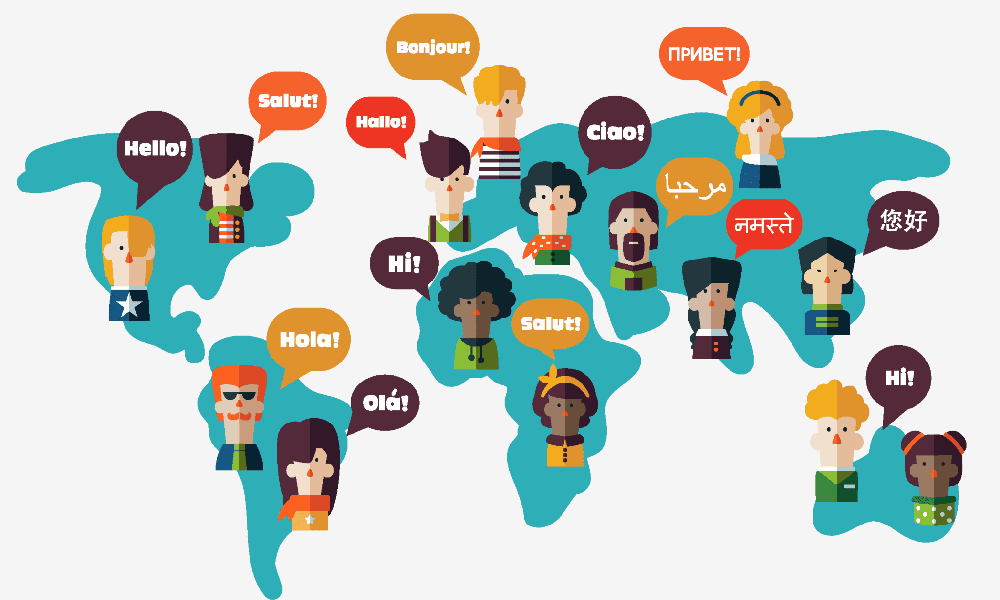
Top 10 Most Popular Languages serve as a fascinating reflection of cultural influence, economic power, and historical significance across the globe. Whether for travel, business, or cultural exploration, understanding which languages dominate worldwide is essential. This article aims to explore both the most popular languages—those widely studied, learned, and valued—and the most spoken languages—the ones with the highest number of speakers. By examining these categories, we gain insight into language trends, regional dominance, and global communication dynamics.
Introduction to Language Popularity and Usage
Language shapes human interaction, facilitates commerce, and preserves culture. The popularity of a language can influence educational investment, media dissemination, and international diplomacy. Meanwhile, the actual number of speakers indicates the language’s reach and influence in everyday life. Grasping the distinction between the two concepts—popularity and total speakers—is vital for understanding the linguistic landscape of our world.
Understanding Language Popularity
Language popularity refers to how widely a language is learned, studied, and used officially or culturally beyond its native speakers. It reflects educational trends, governmental policies, and the language’s presence in media, technology, and international organizations. For example, English is considered the most popular language for second-language learners worldwide due to its global importance.
The Importance of Language in Global Communication
Languages are gateways to cultures and economies. A language’s popularity can facilitate international business, diplomatic relations, and cultural exchange. As globalization progresses, certain languages become more prominent, impacting everything from online content to international treaties.
Defining Most Spoken vs. Most Popular Languages
While these terms may seem similar, they differ significantly:
- Most Spoken Languages: Refers to the languages with the highest number of native or total speakers globally.
- Most Popular Languages: Often relates to the languages that are most commonly learned and used as second languages, or those with significant cultural and media presence.
Understanding this distinction helps clarify why some languages with fewer native speakers are highly studied and used worldwide, and vice versa.
Overview of the Top 10 Most Popular Languages
The criteria for ranking popular languages include factors such as the number of countries where the language is official, the number of learners globally, and media influence. These languages are integral to international commerce, diplomatic communication, and popular culture.
Criteria for Popularity
Popularity hinges on several variables:
- Number of countries where the language is official
- Global demand for learning the language
- Presence in international media and entertainment
- Digital and technological proliferation
The Role of Culture and Media in Language Popularity
Cultural exports such as movies, music, and literature significantly boost a language’s popularity. For instance, Hollywood films have popularized English globally, while K-pop has propelled Korean into international consciousness.
Brief Description of Each Popular Language
- English: English remains the dominant global lingua franca, extensively used in international business, science, and technology. Its widespread study makes it the most popular language worldwide.
- Mandarin Chinese: As China’s economic influence surges, Mandarin’s popularity grows, especially in Asia and increasingly globally. It is also the most spoken language by native speakers.
- Spanish: With numerous countries across Latin America and Spain, Spanish boasts a vast number of speakers and cultural influence, making it highly popular in education and media.
- Arabic: Arabic holds religious, cultural, and political importance across many countries in the Middle East and North Africa, contributing to its popularity.
- Hindi: Hindi is central to India’s booming economy and rich cultural scene, being one of the most spoken languages by native speakers.
- French: French’s historical legacy and current status as an international diplomatic language sustain its popularity, especially in parts of Africa, Europe, and Canada.
- Bengali: Predominantly spoken in Bangladesh and parts of India, Bengali’s cultural richness and literary tradition enhance its global status.
- Russian: Russia’s geopolitical importance maintains Russian’s relevance, along with its extensive literary and scientific contributions.
- Portuguese: Portugal, Brazil, and parts of Africa elevate Portuguese into the top ranks of popular languages thanks to economic and cultural ties.
- Urdu: Mainly spoken in Pakistan and India, Urdu’s literary tradition and cultural significance bolster its popularity locally and regionally.
The Top 10 Most Spoken Languages Globally
While popularity emphasizes learning and cultural influence, the number of speakers directly reflects a language’s reach. These languages have the largest native populations or total speakers, shaping regional and global communication.
Criteria for Measurement of Spoken Languages
The count of speakers considers:
- Native speakers (L1)
- Total speakers including second-language users (L2)
- Regional distributions and dialects
Key Findings on Global Distribution of Speakers
The spread of these languages often correlates with historic migration, colonization, or economic influence, which furthers their use worldwide.
Insights on Regional Variations
Regional variations in speaker counts highlight demographic shifts, urbanization, and government policies affecting language distribution.
- Mandarin Chinese: By far the most spoken language globally, largely due to China’s population. Its influence extends through diaspora communities worldwide.
- Spanish: Dominant in Latin America and growing in the United States, Spanish continues to expand in the Americas and beyond.
- English: While not native everywhere, English’s role as a second language grants it immense global reach, making it the most prevalent language in international contexts.
- Hindi: Primarily spoken in India, Hindi’s extensive speaker base is bolstered by India’s rapid population growth and economic expansion.
- Arabic: The diverse dialects and the religious significance of Arabic ensure its widespread use across multiple nations.
- Bengali: A major language in Bangladesh and parts of India, Bengali’s large speaking population makes it one of the most spoken languages.
- Portuguese: Brazil’s thriving economy and Portugal’s global trade links contribute to Portuguese’s extensive use.
- Russian: Russian serves as a lingua franca in Eastern Europe and Central Asia, maintaining its prominence.
- Japanese: Japan’s economic strength and cultural exports like anime and technology keep Japanese significant regionally and globally.
- Punjabi: Predominantly spoken in Punjab regions of India and Pakistan, Punjabi’s large diasporic communities support its widespread use.
Comparison Between Popular and Spoken Languages
| Language | Native Speakers | Total Speakers | Cultural Influence | Global Presence | Education & Media Popularity |
|---|---|---|---|---|---|
| English | ~370 million | 1.5 billion | Very High | Very Wide | Highest worldwide |
| Mandarin Chinese | ~917 million | Over 1.1 billion | High | Growing mainly in Asia | Moderate |
| Spanish | ~460 million | 560 million | High | Extensive in Americas | High |
| Arabic | ~310 million | 420 million | Religious & Cultural | Regional | Moderate |
| Hindi | ~340 million | 600 million | Cultural & Economic | Regional & diaspora | Moderate |
| French | ~80 million | 300 million | Historical & Diplomatic | Global | High |
| Bengali | ~230 million | 270 million | Literary & Cultural | Regional | Moderate |
| Russian | ~150 million | 260 million | Scientific & Cultural | Regional & Global | Moderate |
| Portuguese | ~221 million | 260 million | Cultural & Economic | Regional & Global | Moderate |
| Urdu | ~70 million | 170 million | Literary & Cultural | Regional | Moderate |
Note: The data reflects approximate figures based on recent estimates up to 2023.
Distinctions Between Popularity and Number of Speakers
While the most spoken languages focus on raw speaker numbers, the most popular languages relate more to their global influence, accessibility, and cultural propagation. For example, English might be less spoken natively than Mandarin but surpasses it in terms of popularity due to its pervasive use in international contexts.
Influence of Sociopolitical Factors on Language Use
Policies promoting multilingualism, language revival movements, and geopolitical shifts significantly impact these rankings. Countries investing in education and media for a particular language tend to see increased global influence.
The Impact of Technology and Social Media on Language Trends
Digital platforms accelerate language dissemination. English dominates social media, but regional languages like Hindi, Arabic, and Portuguese are gaining ground among online communities.
Conclusion
The Top 10 Most Popular Languages and the Top 10 Most Spoken Languages in the World illustrate the dynamic interplay between cultural influence, population size, and global connectivity. While English remains the dominant language for international communication and learning, Mandarin Chinese leads in native speakers, reflecting China’s demographic and economic stature. Spanish, Arabic, Hindi, and other languages further demonstrate regional strength and cultural richness. Recognizing these distinctions enhances our appreciation of linguistic diversity and global interconnectedness. As technology advances and societies evolve, language trends will continue to shift, underscoring the importance of multilingual competence in navigating an increasingly connected world.