
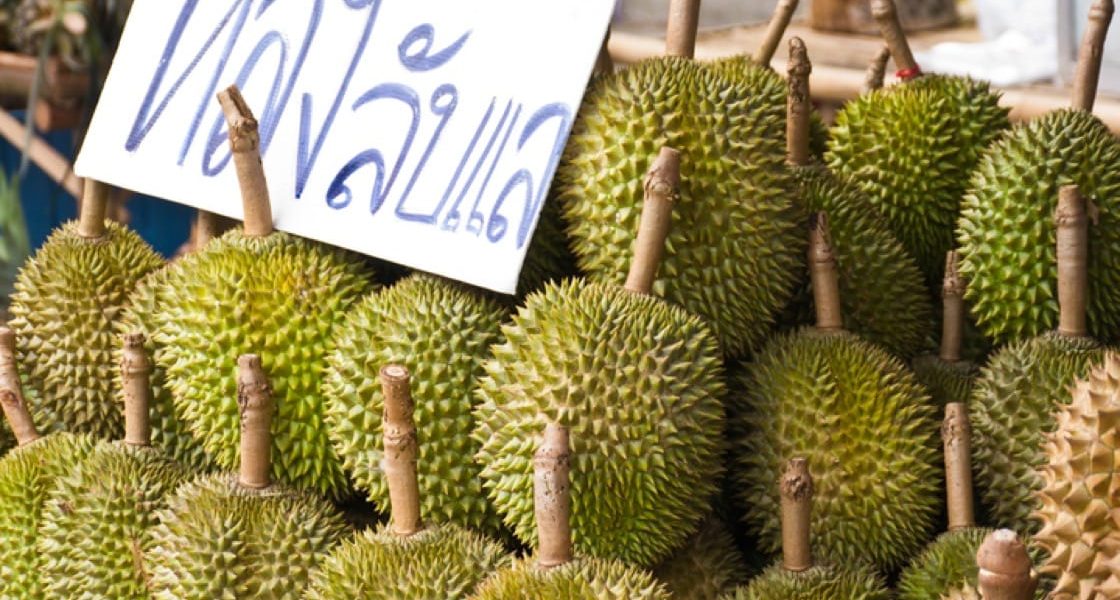
Thailand durian fruits are renowned across the globe for their distinctive taste and unique aroma, earning them the title of the “king of fruits.” While many may be divided in their opinions about durian, its cultural significance and culinary versatility in Thailand cannot be overstated. This article delves into everything you need to know about Thailand’s beloved durian, exploring its varieties, cultivation regions, health benefits, and much more.
Types of Durian Found in Thailand
Durian comes in various types, each with its own flavor profile, texture, and aroma. These differences often depend on the region they are grown in and the specific conditions of cultivation. In Thailand, several notable varieties stand out, especially among local enthusiasts and tourists alike.
Monthong Durian
The Monthong durian is perhaps the most popular variety, favored for its sweet flavor and creamy texture. Originating from the southern regions of Thailand, this durian has a smooth, pale yellow flesh that is less pungent than other varieties, making it a favorite among first-time durian eaters.
This variety is known for its large size and thick husk, which makes it easy to open. The Monthong durian is commonly available year-round, although its peak season is during the rainy months. Its balance of sweetness and minimal bitterness provides an excellent introduction to those unacquainted with the bold flavors of durian.
In terms of market value, Monthong is often regarded as one of the best durians in Thailand due to its appealing characteristics and mass appeal.
Chanee Durian
Chanee durian is another well-loved type, particularly among locals. It boasts a stronger smell and a more complex flavor profile compared to Monthong. The flesh is bright yellow and tends to be slightly firmer, offering a more intense experience for seasoned durian lovers.
This variety thrives in the eastern part of Thailand, where the climate and soil conditions contribute to its robust flavor. Many people appreciate Chanee for its rich, custard-like consistency and slightly bitter aftertaste, which sets it apart from milder durians. Despite being less accessible than Monthong, Chanee remains a staple at local markets and food stalls.
Kan Yao Durian
Known for its long-shaped fruit, the Kan Yao durian presents a different yet delightful option for durian enthusiasts. This variety is characterized by a strong aroma, making it easily recognizable even from a distance. The golden-yellow flesh is sweet and creamy but can sometimes lean toward a slightly bitter note.
Often referred to as the ‘long durian’ due to its shape, Kan Yao is particularly popular in Surat Thani province. It is less common in urban areas, leading to it being somewhat of a hidden gem among durian aficionados seeking authentic Thai experiences.
D162 Durian
D162 is a hybrid variety developed specifically for optimal taste and yield. This durian features a high sugar content, resulting in a very sweet flavor that appeals to many consumers. The flesh is creamy and dense, making it a treat for anyone who enjoys a sweeter variety.
Originally cultivated in Malaysia, D162 has found a home in Thailand, where it is gaining recognition for its quality. It has been introduced in various regions, and its popularity continues to grow among both local and international durian fans.
The Best Regions for Durian Cultivation in Thailand
Thailand is blessed with numerous regions conducive to durian cultivation. Each area offers distinct climatic conditions that affect the growth and flavor of the fruits produced there. From south to east, we will explore the best regions for cultivating durian in Thailand.
Chanthaburi Province
Chanthaburi is often hailed as the “durian capital” of Thailand. The province is known for its fertile soil and favorable climate, which together create ideal conditions for durian trees. Here, growers cultivate several popular varieties, including Monthong and Chanee.
The success of Chanthaburi’s durian industry is supported by local farming practices that emphasize organic methods, sustainability, and innovation. Visitors often flock to this province during the durian season to enjoy fresh fruits and participate in local festivals celebrating this beloved fruit.
Rayong Province
Rayong is another noteworthy region for durian cultivation, particularly famous for producing high-quality Monthong and Chanee varieties. The coastal climate contributes to the rich flavors that characterize the durians from this area.
Local farmers have achieved great acclaim for their cultivation techniques, leading to increased demand for Rayong durians both domestically and internationally. The province also hosts durian fairs, attracting tourists eager to sample some of the finest durian available.
Surat Thani Province
Surat Thani, located in southern Thailand, is renowned for its diverse agriculture, including numerous durian farms. The area benefits from both tropical weather and rich soil conditions, allowing for the thriving cultivation of varieties such as Kan Yao and D162.
Surat Thani is less recognized than Chanthaburi or Rayong when it comes to durian cultivation; however, it possesses a unique charm and authenticity that draws durian enthusiasts looking for something different. The scenic landscapes and rural lifestyle enhance the experience of tasting fresh durians right from the source.
Factors Influencing Durian Quality
Understanding what influences the quality of Thailand durian fruits is essential for appreciating their uniqueness. Several factors come into play, from environmental conditions to harvesting techniques.
Climate and Soil Conditions
Climate plays a pivotal role in durian cultivation. The tropical climate of Thailand provides the necessary warmth and humidity for optimal growth. Durian trees thrive in well-drained, nutrient-rich soils, which are abundant in the key growing regions. Areas with consistent rainfall patterns ensure that the trees receive adequate water throughout their growth cycle.
Farmers pay close attention to these factors as they cultivate their durian trees. Those who adhere to natural farming practices report higher quality fruits with richer flavors and aromas, as chemical fertilizers and pesticides can alter the end product.
Harvesting Techniques
When it comes to the quality of durians, the method of harvesting is crucial. Experienced farmers understand that the timing of the harvest directly impacts flavor and texture. Picking durians at the right moment—when they are perfectly ripe—is essential to achieving the ideal taste experience.
Improper harvesting can lead to inconsistent quality, affecting not just the taste but also the aroma and texture. Farmers often use traditional methods, gently shaking the tree to identify ripe fruits. A well-harvested durian typically results in a satisfying eating experience.
Ripeness at Harvest
Ripeness is a critical determinant of durian quality. Ripe durians possess the sweetest flavors and creamiest textures, while underripe or overripe ones can be disappointing. Determining the perfect ripeness requires practice and intuition, as each variety exhibits different signs.
For example, the Monthong durian should have a slight give when pressed, indicating optimal ripeness. On the other hand, Chanee might exhibit a duller color when it’s ready to eat. Understanding these nuances helps consumers select the best fruits possible.
The Taste Profile of Thai Durian
Engaging with the taste of Thai durian is an experience unlike any other. Each bite reveals a new layer of flavor, and understanding the characteristics of these fruits can elevate your appreciation for this unique delicacy.
Flavor Varieties
The flavor profiles of Thailand durian fruits can vary significantly between varieties and growing regions. From the sweet, almost caramel-like taste of Monthong to the rich and complex notes found in Chanee, each variety brings something special to the table.
Some durians offer hints of almond or cheese, creating unexpected gustatory experiences. Others may present a mild sweetness accompanied by a hint of bitterness, contributing depth to the overall flavor. Exploring these varieties allows enthusiasts to discover personal preferences and broaden their palates.
Texture Differences
Texture is another essential aspect of durian tasting. While most varieties feature creamy, custard-like flesh, the firmness can differ among types. For instance, Kan Yao tends to have a denser consistency, providing a satisfying chew, whereas Monthong offers a softer, melt-in-your-mouth experience.
These differences can drastically affect how durian is enjoyed. Some people prefer using durian in desserts, while others relish eating it fresh. Understanding the subtle variations in texture enhances the overall enjoyment of this “king of fruits.”
Aroma Characteristics
The aroma of durian is famously divisive. Often described as pungent or overwhelming, it can evoke strong reactions from individuals encountering it for the first time. However, this characteristic odor is what many durian lovers find intoxicating.
Each variety presents unique aromatic qualities, ranging from sweet and fruity to savory and earthy. Monthong, for example, has a milder scent that appeals to newcomers, while Chanee carries a stronger, more assertive aroma. Learning to appreciate these scents is part of the full durian experience.
How to Choose the Best Durian
Selecting the right durian can greatly impact your enjoyment. With readily available options in markets across Thailand, knowing what to look for can help ensure you choose the best durian.
Appearance Indicators
When choosing durians, appearance matters. Look for fruits with a healthy, intact shell that is free from blemishes or mold. The spikes should be prominent and evenly distributed, signaling a fresh and viable fruit.
Additionally, check for any noticeable gaps between the spikes, as this can indicate overripeness. A bright green color is also a good sign, suggesting that the fruit has maintained its freshness. Remember, the visual aspects of durian can say a lot about its quality.
Smell Test
While some may shy away from the aroma, the smell of a durian can be one of the best indicators of ripeness. Gently waft the fruit near your nose to gauge its scent. A fragrant, sweet smell suggests that the durian is ripe and ready to eat.
Conversely, if the smell is overwhelmingly sharp or sour, the durian may be past its prime. Don’t hesitate to trust your nose; it can lead you to some of the most delicious fruits available.
Sound Check
A lesser-known technique for assessing durian quality involves tapping on the fruit. When you gently knock on the exterior, listen for a hollow sound. This hollowness indicates that the flesh inside has separated from the shell, suggesting ripeness.
A dull thud often signifies an underripe fruit, while an overly resonant sound could suggest overripeness. This simple auditory test can provide valuable insight into the condition of the durian before you make a purchase.
Health Benefits of Durian
Beyond its unique flavors, Thailand durian fruits offer numerous health benefits, making them a worthy addition to any diet. Packed with nutrients and antioxidants, durian can positively impact your health in various ways.
Nutritional Profile
Durian is a powerhouse of nutrition, containing essential vitamins and minerals. Rich in vitamin C, vitamin B-complex, and dietary fiber, consuming durian can support immune function, energy levels, and digestive health.
Moreover, durian is relatively high in calories and carbohydrates, making it an excellent energy booster. Athletes and active individuals often look to durian as a nutritious snack to keep their energy levels up throughout the day.
Antioxidant Properties
One of the most significant benefits of consuming durian lies in its antioxidant properties. Durians are packed with compounds that combat oxidative stress and inflammation, helping protect against various diseases.
Antioxidants like flavonoids and polyphenols help neutralize free radicals in the body, contributing to improved overall health. Regular consumption of durian can aid in reducing the risk of chronic conditions, such as heart disease and certain cancers.
Energy Boosting Effects
Given its high carbohydrate content, durian serves as a fantastic energy source. Whether consumed alone or added to smoothies and desserts, the natural sugars contained within durian provide quick bursts of energy.
This quality makes durian a favored choice among those who require sustained energy throughout their day, whether they are participating in outdoor activities or engaging in strenuous workouts.
Buying Durian in Thailand
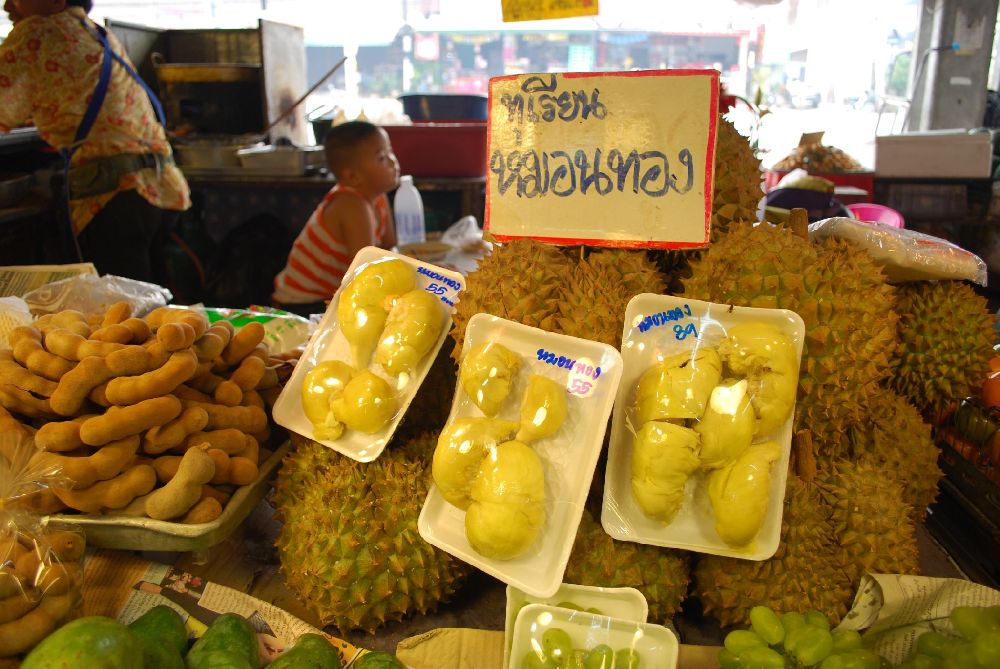
Navigating the world of durian purchases in Thailand can be an exciting venture. Knowing where to buy and how to choose the freshest durian can enhance your culinary journey.
Where to Buy Durian
In Thailand, durian is widely available at local markets, roadside stalls, and specialized fruit shops. Popular tourist destinations often feature vendors selling freshly harvested durians, making it easy for travelers to sample this unique fruit.
Visiting local markets is a rewarding experience, allowing you to engage with vendors and learn about different varieties. Additionally, some provinces host seasonal durian festivals, where you can find a vast selection of the best durians from local farmers.
Tips for Purchasing Fresh Durian
When purchasing durian, always consider the time of year and the specific growing region. Peak season varies depending on the area, so be sure to ask locals about the best times to buy fresh durian.
Once you locate a vendor, inspect the fruits carefully, considering the previously mentioned appearance, smell, and sound checks. Engaging with vendors can also provide insights into the best choices available at the moment.
Common Myths About Durian
Despite its popularity, durian is surrounded by misconceptions and myths that may deter some from trying it. Addressing these misunderstandings can encourage more people to embrace this extraordinary fruit.
Misconceptions Regarding Its Smell
One of the most notorious aspects of durian is its smell. Many people avoid it because of the strong odor, often comparing it to rotten onions or gym socks. However, this perception overlooks the fact that the aroma is subjective, with many enthusiasts describing it as sweet, earthy, or even creamy.
It’s important to recognize that the smell varies by variety and maturity level. A ripe Monthong durian emits a much different fragrance than an overripe one. By learning to appreciate the nuances of durian aroma, you may find yourself drawn to its unique charm rather than repelled by it.
Beliefs About Health Effects
Another common myth is that durian is unhealthy due to its high calorie and carbohydrate content. While it’s true that durian should be consumed in moderation, especially for those watching their caloric intake, it is far from an unhealthy fruit.
Durian contains a wealth of nutrients and beneficial compounds that can support overall health, making it a valuable addition to a balanced diet. Like any food, moderation is key, and enjoying durian as part of a varied diet can provide significant health benefits.
Export of Thai Durian
As the demand for Thai durian grows globally, the export market plays a crucial role in the industry. Understanding the challenges and opportunities within this sector helps to frame the future of durian commerce.
Major Markets for Exports
Countries such as China, Malaysia, and Singapore are among the largest importers of Thai durian. The popularity of durian in these regions has led to significant trade relationships, benefiting both farmers and exporters.
International demand for quality Thai durian has spurred growth in cultivation practices and innovations aimed at meeting consumer expectations. In recent years, frozen and processed durian products have also gained traction, expanding market access beyond fresh produce.
Challenges in Exporting Durian
Despite the promising export landscape, challenges still exist. Transporting durians requires careful handling, as the fruit is perishable and susceptible to damage. Maintaining the delicate balance between ripeness and distribution can be a logistical challenge.
Additionally, fluctuations in global demand and competition from other exporting countries can impact prices and availability. Producers must stay informed about market trends to respond effectively and maintain the reputation of Thai durian in the global arena.
Storing and Preserving Durian
Knowing how to store and preserve durian correctly can extend its shelf life and ensure that you enjoy its flavors at their best. Various methods exist to keep your durian fresh for longer periods.
Best Storage Methods
To prolong the freshness of durian, store it in a cool place, away from direct sunlight. If you plan to consume it shortly after purchase, leaving it at room temperature is acceptable, allowing the flavors to develop further.
However, if you wish to keep it for a few days, refrigerate it in an airtight container. This will help minimize the strong odor while retaining the fruit’s taste and texture.
Freezing Durian for Later Use
If you’re looking to store durian for an extended period, consider freezing it. Start by removing the flesh from the seed and placing it in an airtight container or freezer bag. Properly sealed, frozen durian can last for several months without compromising its quality.
When you’re ready to enjoy your frozen durian, simply thaw it in the refrigerator overnight. This method preserves the delightful taste and nutritional value while providing a convenient option for later enjoyment.
Durian Tourism in Thailand
The allure of durian extends beyond culinary delight; it has sparked a burgeoning tourism industry. Enthusiasts travel far and wide to experience the fruit culture firsthand, elevating their appreciation for this extraordinary delicacy.
Durian Tours and Experiences
Many tour operators in Thailand now offer durian tours that take visitors through vibrant orchards and local farms. These tours often include guided tastings, educational segments about cultivation practices, and opportunities to meet local farmers.
Participants can immerse themselves in the entire durian experience, learning about the different varieties and sampling fresh fruits straight from the trees. Such tours frequently become highlights of travelers’ itineraries, drawing them deeper into Thailand’s rich agricultural heritage.
Local Durian Tasting Events
In addition to organized tours, local durian tasting events and festivals attract both tourists and locals. These gatherings celebrate the diversity of durian and showcase various culinary applications, from cakes and ice creams to savory dishes featuring durian incorporated into traditional recipes.
These events provide an excellent opportunity to connect with fellow durian lovers and expand one’s palate. The festive atmosphere, filled with laughter and camaraderie, fosters a sense of community around this remarkable fruit, solidifying its status in Thai culture.
Conclusion on Thailand’s Durian Fruits
Thailand durian fruits embody a unique blend of flavor, texture, and cultural significance. With each variety offering distinct traits, the exploration of Thai durian is an adventure for the senses. As we navigate the world of durian—from understanding its cultivation to enjoying its exquisite taste—one thing remains clear: durian holds a special place in the hearts of many.
Whether you’re a novice or an established fan, the journey of discovering Thailand’s durian fruits continues to unveil new delights at every turn. Embrace this enigmatic fruit, and you may find that it opens doors to unforgettable culinary experiences and connections with a rich cultural heritage.