
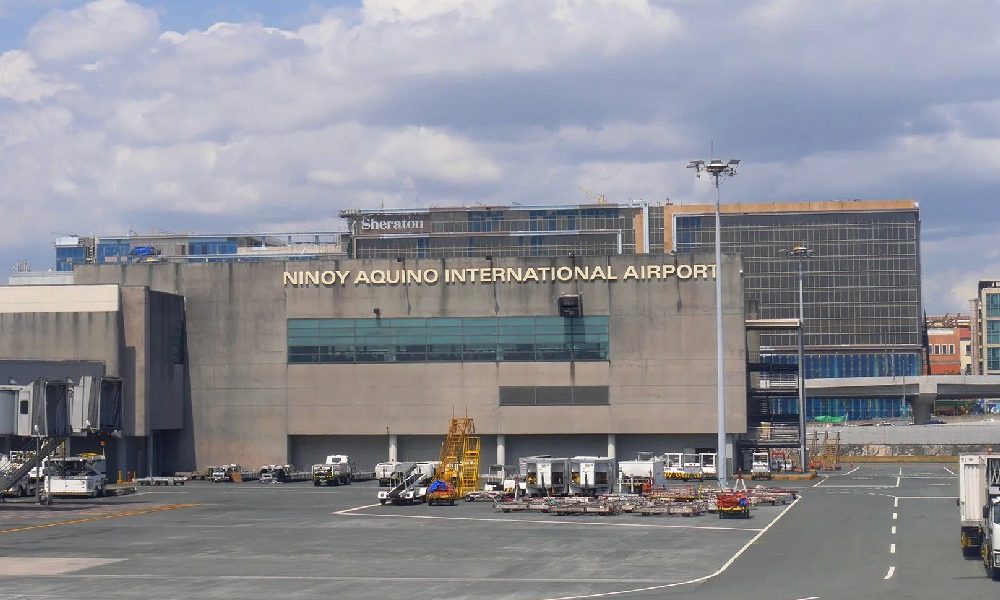
The Ninoy Aquino International Airport (NAIA), located in Pasay City, Metro Manila, is the primary gateway to the Philippines. Named after the late senator Benigno “Ninoy” Aquino Jr., it serves as a vital hub for both international and domestic flights. With its bustling terminals and diverse communication options, NAIA connects travelers from all over the globe to the beauty and culture of the Philippines. In this article, we will explore everything you need to know about this airport, ensuring that your journey through it is smooth and enjoyable.
Ninoy Aquino International Airport Quick Facts
Before diving deeper into the specifics of the Ninoy Aquino International Airport, let’s outline some key facts that shape the experience of travelers arriving and departing from this busy airport.
NAIA has been operational since 1981 and has undergone numerous renovations to accommodate the increasing traffic and modernize its facilities. The airport is managed by the Manila International Airport Authority (MIAA) and serves millions of passengers annually, making it one of the busiest airports in Southeast Asia.
As an essential transit point, it provides connections to various destinations across the globe. The airport’s strategic location allows airlines to facilitate direct flights to North America, Europe, Asia, and Oceania, making travel to and from the Philippines more accessible than ever.
Given the high passenger volume, it’s crucial to note that traveler comfort and convenience are prioritized in the design and operations at NAIA. From seamless immigration processes to adequate amenities, the airport continuously strives to enhance the overall user experience.
Location and Accessibility
Ninoy Aquino International Airport is situated approximately 7 kilometers south of Manila’s city center, making it highly accessible for both locals and tourists.
The airport is well-connected to various modes of transportation, including taxis, shuttle services, and private car hires, enabling travelers to conveniently reach their final destinations. The proximity to major thoroughfares, such as the South Luzon Expressway (SLEX) and EDSA, facilitates easy access for those traveling by road.
Historical Background
Ninoy Aquino International Airport was initially established as the Manila International Airport (MIA) and later renamed in honor of the prominent political figure, Benigno Aquino Jr., who was assassinated upon returning to the Philippines in 1983.
Over the years, NAIA has witnessed significant developments, including expansions and upgrades to meet international standards and improve passenger experiences. Despite facing challenges such as congestion and outdated infrastructure, efforts have been made to address these issues, resulting in an ongoing commitment to enhancing the airport’s capabilities.
Passenger Statistics
Today, NAIA serves as a gateway for millions of passengers each year, with figures steadily increasing due to growing tourism and business travel in the region.
As one of the busiest airports in the world, it handles various airlines that connect the Philippines to numerous destinations, showcasing the country’s status as a vital hub in the aviation industry. While the influx of travelers presents challenges, ongoing initiatives aim to streamline operations and elevate passenger satisfaction.
Ninoy Aquino International Airport Terminals
The Ninoy Aquino International Airport consists of four main terminals: Terminal 1, Terminal 2, Terminal 3, and Terminal 4. Each terminal caters to specific types of flights, ranging from international to domestic departures. Understanding the layout and functions of these terminals is essential for a smoother travel experience.
Domestic terminal
Terminal 4, also known as the Manila Domestic Terminal, primarily handles domestic flights within the Philippines. This terminal is smaller than its international counterparts, offering a more compact and efficient experience for passengers.
Inside Terminal 4, travelers will find check-in counters, waiting areas, and basic amenities designed to cater to the needs of domestic flyers. The atmosphere is typically less chaotic compared to the international terminals, which can be beneficial for those seeking a relaxed departure or arrival experience.
Amenities in Terminal 4 include food stalls, souvenir shops, and lounges, allowing passengers to enjoy local cuisine and shop for last-minute gifts. However, it’s worth noting that the offerings may not be as extensive as those in the larger terminals.
International terminal
Terminal 1 serves as the main international terminal for the Ninoy Aquino International Airport, accommodating various airlines and destinations. This terminal is larger and offers a wider range of amenities, dining options, and retail shops.
Upon entering Terminal 1, passengers are greeted with a spacious layout designed to handle high traffic volumes. The check-in process can sometimes be lengthy, but there are multiple counters available to ensure that travelers can complete their transactions efficiently.
Once through security, passengers can explore a variety of shops selling duty-free goods, souvenirs, local products, and international brands. Dining options range from fast food to sit-down restaurants, providing different culinary experiences for travelers. Additionally, lounges offer comfortable spaces for relaxation before boarding flights.
Terminal 2 and Terminal 3
Terminal 2, also known as the Centennial Terminal, primarily caters to Philippine Airlines and its affiliate carriers. This terminal showcases Filipino culture through its architecture, art displays, and traditional dining options. It aims to provide an engaging experience for passengers while emphasizing the warmth of Filipino hospitality.
Terminal 3, on the other hand, is one of the largest terminals in the airport complex and accommodates both international and domestic flights. It is home to several international airlines and boasts modern amenities and technology for enhanced passenger experiences.
Travelers passing through Terminal 3 can expect a more contemporary environment, with self-check-in kiosks, automated immigration processes, and advanced baggage handling systems. The terminal features numerous dining establishments, shopping outlets, and lounges where travelers can unwind while waiting for their flights.
Procedures of arrivals & departure flights
Navigating the procedures for arrivals and departures at the Ninoy Aquino International Airport is essential for a seamless travel experience. Understanding the processes involved will help passengers prepare accordingly.
International passengers arrival
When arriving at NAIA as an international passenger, the first step involves disembarking the aircraft and proceeding through the immigration area. Travelers must present their passports, arrival cards, and any necessary visas or documents required for entry into the Philippines.
The immigration process can take some time, especially during peak hours, so patience is advised. After clearing immigration, passengers will collect their baggage at the designated carousel based on their flight information. It’s essential to keep an eye on baggage claim screens to ensure that the right carousel is located.
Once baggage has been collected, travelers must pass through customs. There are typically two channels available – the green channel for travelers without anything to declare, and the red channel for those carrying items subject to declaration. Familiarizing oneself with customs regulations can save time and avoid any potential issues.
International passengers departure
Departing from NAIA as an international passenger requires specific steps to ensure a smooth transition from check-in to boarding. First, travelers should arrive at the airport with ample time to check in, clear security, and go through immigration.
After checking in at their airline’s counter, passengers will receive a boarding pass and drop off their luggage. Next, they should proceed to the security screening area, where bags will be scanned, and personal items will need to be placed in tubs for inspection.
Following security clearance, travelers will navigate through immigration, presenting their boarding passes and passports to officials. Once cleared, passengers can enjoy the various amenities within the terminal, including shopping and dining options, while awaiting their flight’s boarding announcement.
Domestic flights within Philippines
For domestic flights within the Philippines, the procedures at NAIA are relatively straightforward. Passengers should arrive at the designated domestic terminal (Terminal 4) and follow standard check-in procedures.
Checking in for domestic flights typically involves presenting valid identification — usually a government-issued ID — and receiving a boarding pass. As with international flights, travelers should keep their luggage within the weight limits established by airlines to avoid additional charges.
After check-in, passengers will proceed through security and may need to show boarding passes at various checkpoints. The departure gates are clearly marked, and travelers can easily locate their gate to await their flight.
Transfer flights
For travelers with connecting flights through NAIA, understanding the transfer process is critical. If arriving on an international flight and connecting to another international flight, passengers may remain in the international terminal and simply follow signs to their respective gates.
However, if transferring between domestic and international flights, travelers must transition through immigration and customs. It is essential to leave sufficient time between flights to accommodate the transfer process, as delays can occur during peak periods.
During the transfer process, passengers should be aware of their airline’s policies regarding checked luggage and boarding times. Proper planning and awareness can significantly reduce stress and enhance the overall travel experience.
Airlines flying from/to Ninoy Aquino International Airport
The Ninoy Aquino International Airport serves a multitude of airlines that operate both domestic and international flights. Understanding the airlines that operate at NAIA can assist travelers in selecting the best options for their journeys.
Major Airlines
Major international carriers, including Philippine Airlines, Cebu Pacific Air, and AirAsia, have a strong presence at NAIA, facilitating countless routes to and from key cities worldwide. These airlines strive to provide excellent service and maintain high safety standards, ensuring that passengers feel secure throughout their travels.
Philippine Airlines, being the country’s flag carrier, operates numerous flights connecting the Philippines to various global destinations. The airline emphasizes Filipino hospitality, offering onboard services that showcase local cuisine and culture.
Cebu Pacific Air and AirAsia, on the other hand, are low-cost carriers providing budget-friendly options for both domestic and international travelers. They focus on making air travel accessible to a broader audience without compromising safety and reliability.
Regional Connections
In addition to major airlines, NAIA hosts several regional carriers serving popular destinations within Southeast Asia and beyond. Airlines like Singapore Airlines, Malaysia Airlines, and Vietnam Airlines have routes connecting Manila to key cities in their respective countries.
These regional connections make it convenient for passengers to explore neighboring countries while using NAIA as a central hub. Business travelers, tourists, and expatriates alike benefit from these efficient flight options that link Manila to the rest of Southeast Asia.
Emerging Airlines and Charter Services
As the aviation landscape continues to evolve, new airlines and charter services are emerging that serve niche markets. Many of these carriers focus on specific routes or demographics, catering to travelers seeking unique experiences or specialized services.
Charter services are often utilized by groups, organizations, or events requiring custom itineraries, providing flexibility and convenience. This trend reflects the growing demand for personalized travel experiences, demonstrating the adaptability of the aviation industry.
Services in Ninoy Aquino International Airport
The Ninoy Aquino International Airport is equipped with various services and facilities designed to enhance the travel experience for all passengers. From currency exchange to dining options, every detail contributes to ensuring a pleasant journey through the airport.
Currency Exchange
Travelers arriving at NAIA often require local currency for expenses during their stay in the Philippines. Dedicated currency exchange counters and ATMs are strategically located throughout the terminals, making it easy for passengers to obtain Philippine pesos upon arrival.
It is wise for travelers to compare exchange rates offered by different booths and banks to secure the best deals. Additionally, while credit and debit cards are widely accepted in urban areas, having cash on hand can be beneficial for small purchases, local markets, and transportation.
Philippines SIM card
Staying connected while in the Philippines is essential for many travelers. For this purpose, purchasing a local SIM card at NAIA is a practical solution. Multiple telecom providers have kiosks and stores within the airport, offering prepaid plans tailored to tourists.
Acquiring a local SIM card allows travelers to use their smartphones for calls, messaging, and data access without incurring hefty roaming charges. The process is straightforward and typically requires valid identification, such as a passport.
Where to Eat in Ninoy Aquino Airport
Dining options at Ninoy Aquino International Airport are diverse, reflecting the rich culinary heritage of the Philippines. Passengers can choose from various fast-food chains, local eateries, and sit-down restaurants, catering to different tastes and preferences.
For those looking to savor authentic Filipino dishes, try establishments serving adobo, sinigang, or lumpia. These local favorites provide a taste of the Philippines, allowing travelers to indulge in the country’s flavors before heading to their destination.
In addition to local cuisine, international food chains are also available for travelers who prefer familiar options. Whether craving burgers, sushi, or pizza, there’s something for everyone at NAIA.
Wi-Fi and Charging Stations
In today’s digital age, staying connected is paramount for travelers. Recognizing this need, Ninoy Aquino International Airport offers complimentary Wi-Fi access throughout the terminals, allowing passengers to browse the internet, check emails, and stay updated on travel information.
Charging stations are conveniently placed within the terminals, enabling passengers to recharge their devices while waiting for their flights. As technology plays an increasingly integral role in travel, these amenities ensure that travelers can maintain connectivity and remain productive during their time at the airport.
How to get from Ninoy Aquino International Airport to city center?
Getting from Ninoy Aquino International Airport to the city center of Manila is a straightforward process, with several transportation options available for travelers. Understanding these choices can help simplify the transition from air travel to navigating the bustling city.
Taxi Services
One of the most common methods of transportation from NAIA to the city center is via taxi services. Taxis are readily available outside the terminal buildings, making them a convenient option for travelers with luggage.
Fares are generally determined by a meter, though there are fixed-rate options for specific destinations. It’s advisable to confirm the fare structure with the driver before starting the trip to avoid misunderstandings.
Ride-Hailing Apps
Ride-hailing apps such as Grab are gaining popularity among travelers seeking convenience and transparency in pricing. Passengers can book a ride directly from their smartphones and track their driver’s arrival in real-time.
Using a ride-hailing app often provides a clearer understanding of the total fare before setting off, eliminating uncertainties associated with traditional taxi rides. Moreover, drivers familiar with the city’s traffic patterns can help optimize travel time.
Airport Shuttle Services
Airport shuttle services are another viable option for getting to the city center. Various shuttle companies offer shared and private transport arrangements, providing an affordable way to travel.
While shared shuttles may take longer due to multiple stops, they present an economical choice for budget-conscious travelers. Private shuttles, on the other hand, allow for direct transfers to specific hotels or locations, making them suitable for those desiring a quicker journey.
Public Transportation
For the adventurous traveler, utilizing public transportation can be an exciting way to experience the local culture. Buses and jeepneys operate routes connecting NAIA to various parts of Manila, offering a glimpse into everyday life in the city.
However, navigating public transport might be challenging for those unfamiliar with the system. It’s essential to plan ahead and consider language barriers and potential delays in traffic when opting for this method of travel.
Hotels near Ninoy Aquino International Airport
Finding suitable accommodation near Ninoy Aquino International Airport is important for travelers wishing to minimize travel time and maximize convenience. Fortunately, numerous hotels are located in close proximity to the airport, catering to various budgets and preferences.
Airport Hotels
Several hotels are situated just minutes away from NAIA, offering guests quick and easy access to the airport. Many of these establishments provide airport shuttle services, ensuring seamless transfers for travelers.
Hotels like the Savoy Hotel Manila, Belmont Hotel Manila, and Holiday Inn Express Manila offer modern amenities, comfortable accommodations, and various dining options. These hotels are particularly popular among business travelers and those with early morning or late-night flights.
Budget-Friendly Options
For budget-conscious travelers, there are plenty of affordable accommodations available near the airport. Hostels, guesthouses, and budget hotels cater to those seeking basic amenities at lower price points.
Establishments like RedDoorz and ZEN Rooms offer clean and comfortable lodging, allowing guests to rest and recharge without breaking the bank. While these options may lack luxury, they provide essential services for a comfortable stay.
Luxury Hotels
For travelers wanting to indulge in a more opulent experience, luxury hotels are located within a short distance from NAIA. Hotels such as the Manila Marriott Hotel, Conrad Manila, and Solaire Resort & Casino showcase extravagant accommodations, world-class dining, and lavish amenities.
These establishments provide a perfect retreat for travelers looking to unwind before or after long flights. Luxurious spas, fine dining restaurants, and stunning views of Manila Bay further enhance the appeal of these upscale hotels.
Tips and Facts for Ninoy Aquino International Airport
To make the most of your experience at the Ninoy Aquino International Airport, consider implementing helpful tips and familiarizing yourself with lesser-known facts about the airport.
Arrive Early
Due to the high volume of travelers at NAIA, it’s advisable to arrive at the airport well in advance of your flight. For international flights, aim to arrive at least three hours prior to departure. This allows ample time for check-in, security clearance, and possible delays.
Prepare Necessary Documents
Ensure that you have all necessary travel documents, including passports, visas, and vaccination certificates, readily available. Keep these items organized and easily accessible to streamline the check-in and immigration processes.
Be Mindful of Security Regulations
Familiarize yourself with airport security regulations to avoid unnecessary delays. Items such as liquids, sharp objects, and electronics may be subject to additional scrutiny. Packing smartly and adhering to carry-on guidelines can expedite the security screening process.
Learn Basic Filipino Phrases
While English is widely spoken in the Philippines, learning a few basic Filipino phrases can enhance your travel experience. Simple greetings and expressions of gratitude can go a long way in fostering positive interactions with locals.
Stay Hydrated and Nourished
Traveling can be exhausting, so it’s essential to stay hydrated and nourished throughout the journey. Carry a reusable water bottle and refuel with snacks or meals available at the airport.
Conclusion
The Ninoy Aquino International Airport serves as a vital gateway to the Philippines, connecting travelers to countless destinations around the globe. By familiarizing yourself with the airport’s terminals, procedures, services, and transportation options, you can ensure a smooth and enjoyable experience.
With a wealth of amenities available, from dining options to luxurious accommodations, NAIA caters to the diverse needs of travelers. Embracing the cultural richness of the Philippines enhances the journey, leaving lasting memories long after you depart. Whether you are returning home or embarking on a new adventure, the vibrant atmosphere of NAIA sets the stage for an unforgettable experience in the heart of Southeast Asia.