
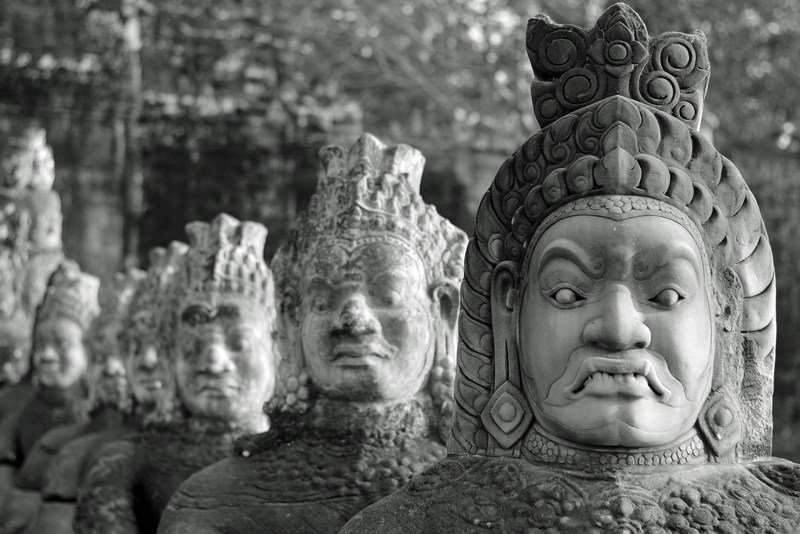
Cambodia is often overlooked in favor of its more famous neighbors Thailand and Vietnam, yet this friendly country has so much to offer the discerning traveler! Whether you’re a solo female traveler or looking for an adventurous backpacking trip, Cambodia really comes alive when exploring alone. With ancient temples, buzzing cities, and white sand beaches there’s something for every travel style.
Read on for a complete solo travel guide to Cambodia including safety tips, costs, things to do, and all of your FAQs answered!
Is Cambodia Safe for solo female travellers?
Safety in Cities
- General Safety: Cambodia is a relatively safe country for solo female travelers. Violent crime is rare, even in cities, and the people are very friendly and hospitable. However, as with anywhere, it’s wise to remain vigilant about your belongings. Petty theft does occur, especially in crowded tourist areas. Keep valuables out of sight, don’t carry large amounts of cash, and don’t walk alone late at night.
- Harassment: Southeast Asia does have a reputation for harassment of female travelers. While not as bad as in some neighboring counties, you may experience catcalling, staring, etc, especially if you wear revealing clothing. Dressing conservatively can help minimize unwanted attention. Also be cautious of overly friendly local men who seem overly eager to “practice their English”. Trust your instincts if a situation feels unsafe.
Safety at Temples Sites
Ancient temple sites like Angkor Wat are generally very safe, even for solo women. They receive so many visitors that there is safety in numbers. However there have been rare reports of harassment or even assaults on quiet temple trails. If exploring independently, stick to well-trodden paths and do not go off alone with a guide you’ve just met.
Tuk Tuk/Moto Safety
Tuk tuks and motos are a convenient way to get around Cambodian cities, towns, and temple sites. They’re also largely safe, especially during daylight hours. To minimize any risk, avoid taking them late at night. Also be wary of any driver who insists you owe more money than originally agreed upon – stand your ground and don’t be intimidated.
Medical Safety
黄熱病が感染している地域から来た場合を除き、予防接種は必要ありません。ただし、麻疹や破傷風のような定期予防接種については最新の情報を入手しておくことが賢明です。マラリアの薬は田舎で長時間過ごす場合にのみ必要です。全体的な医療ケアは都市部では十分ですが、地方では非常に貧弱なので、旅行用健康保険に加入することをお勧めします。
カンボジアにはビザが必要ですか?
ほとんどの国籍の人がカンボジアに入国するには観光ビザが必要です。これは次のように取得できます。
- 主要空港および国境に到着時。料金は約 30 米ドルで、パスポート用の写真が必要です。簡単で便利です。
- 電子ビザは事前にオンラインで購入しました。サービスに応じて 30 ~ 40 ドルかかります。事務処理は増えますが、行は省略されます。
- From a Cambodian embassy/consulate before departure. More bureaucratic and costly.
Tourist visas allow up to 30 days stay. Extensions are available.
Some nationalities can enter without a visa, including Singapore, Malaysia, Indonesia, Philippines, Laos, Vietnam and Thailand.
Be sure to have at least 6 months validity remaining on your passport beyond your travel dates. Travelers must also have proof of onward travel.
Getting from the airport to your hotel
Phnom Penh Airport
- Taxis – Reliable and safe. Should cost ~$12-15 to downtown. Agree on price beforehand.
- Bus – Cheaper but involves transfers. Take bus to central station then local bus/tuk tuk to hotel.
Siem Reap Airport
- Taxis – Reliable and safe. Should cost ~$7-10 to downtown. Agree on price beforehand.
- Bus – Cheaper but slower. Take bus to central station then local tuk tuk to hotel.
- Private transfer – Arrange ahead through hotel. More expensive but very convenient.
Best Time to go to Cambodia
Cambodia has a tropical climate with distinct wet and dry seasons:
Dry Season (November to May)
- November to February – Cooler and pleasant, especially in the north. Peak tourism season.
- March to May – Very hot and dry. Temperatures can reach 40C/104F. Less crowds.
PROS:
- Best weather. Sunny days, low humidity.
- Cooler temps in Nov-Feb.
- Rice paddies and scenery vibrant green.
- Easy transport – roads are dry.
CONS:
- November to February are busiest with tourists.
- Hottest from March to May.
Wet Season (May to October)
- May to September – Southwest monsoon brings heavy rain, humidity, and floods.
- October – Intermediate period, some rain but improving.
PROS:
- Far fewer tourists, especially in June-September.
- Lower hotel prices and airfares.
- Rivers and waterfalls at peak flow.
CONS:
- Frequent rain and thunderstorms. Risk of floods.
- Humid and sticky when not raining.
- Some dirt roads get muddy and impassable.
- Dengue risk increases – mosquito borne.
Overall the best months for travel are December to February during the peak cool and dry season, but the shoulder seasons can still be enjoyed if you don’t mind some rain.
Accommodation in Cambodia
Hostels: Great for solo budget travelers and backpackers. Dorm beds around $5-10/night. Social atmospheres with activities/tours.
Budget Hotels: Simple guesthouses and hotels. Small rooms with fan, shared bathrooms. Around $15-30/night. Adequate but often worn.
Mid-Range Hotels: Comfortable hotels with pools, restaurants, and good service. Rooms $50-100/night. Good value for money.
Luxury Hotels: Resorts, boutique hotels, and high end chains. Lavish amenities and excellent service. Rooms over $200/night.
Alternatives: Other affordable options include homestays with local families in rural areas, or AirBnb apartments in the cities.
Choose location and amenities based on your budget and interests!
What to do in Cambodia solo?
もしあなたが〜なら traveling solo in Cambodia, there are plenty of things to do and places to visit. Here are some suggestions:
1. Visit the Angkor Archaeological Park: Explore the ancient temples of Angkor Wat, Bayon, Ta Prohm, and more. It’s a must-visit destination for history and architecture enthusiasts.
2. Discover Phnom Penh: Visit the Royal Palace, the National Museum, and the Killing Fields. Immerse yourself in the country’s history and culture.
3. Take a boat trip to Koh Rong: Enjoy the clear waters and white sandy beaches on this beautiful island. It’s a perfect place to relax, swim, and snorkel.
4. Explore the Cambodian countryside: Rent a bicycle or take a guided tour to explore the rural areas and experience the local way of life.
5. Visit the floating villages: Take a boat tour to explore the floating communities on the Tonle Sap Lake, the largest freshwater lake in Southeast Asia.
6. Take a cooking class: Learn how to prepare traditional Cambodian dishes and bring home some culinary skills.
7. Visit Kampot and Kep: Enjoy the laid-back atmosphere, take a scenic river cruise, or explore the pepper farms and the crab market in Kep.
8. Go trekking in the Cardamom Mountains: Discover the biodiversity of the region by going on a multi-day trek through the Cardamom Mountains.
9. Volunteer or contribute to a local community: Cambodia offers various volunteering opportunities, ranging from teaching English to helping with conservation projects.
10. Enjoy the nightlife in Siem Reap: After exploring the temples of Angkor, relax and enjoy the vibrant nightlife scene in Siem Reap.
Remember to exercise caution while traveling alone, stay informed about local customs and safety guidelines, and always make sure to have appropriate travel insurance.
How to Travel Around Cambodia
Air
Domestic flights connect Phnom Penh and Siem Reap. Saves time but costs more than ground transport. Operated by Cambodia Angkor Air or Bassaka Air.
バス
Extensive network covers all major routes. Comfortable enough for shorter trips. Bring snacks! Operators include Mekong Express, Capitol Tours, Sorya Bus.
Boat
Slow boats ply the Mekong between Phnom Penh, Kompong Cham, and Kompong Chhnang. Basic seating but a unique way to travel.
Private Car
Hire a car and driver for maximum flexibility. Expensive but can be cost effective for groups. English speaking driver is helpful.
Motorbike/Scooter
Zipping around by moto is popular in towns and cities. Requires caution and some experience. Helmets mandatory.
Tuk Tuk & Cyclo
Fun way to make short trips within cities and temple complexes. Agree on fare beforehand. More picturesque but less safe than taxis at night.
タクシー
Cheap, air conditioned rides using meter or negotiated fare. Reliable option at night. Few street signs so have address written in Khmer script.
Is it expensive to travel to Cambodia?
Here are typical daily budgets for a solo traveler:
- Budget: $20-30/day
- Mid-range: $50-60/day
- Luxury: $150+/day
Major expenses:
- Dorm bed: $5-10
- Budget hotel: $15-30
- Mid-range hotel: $50-100
- Cheap meal: $2-5
- Nice restaurant meal: $10-15
- National park fee: $5-20
- 1-day Temple pass: $20-40
- Domestic flights: $50-100
Traffic is chaotic so group tours remove hassle, but cost more. You can save money and have a more local experience by traveling overland and independently. Western Cambodia is cheaper than the more touristy parts. In total, plan a daily budget of around $30-60 excluding flights.
What NOT to do on a Cambodia Visit
- Don’t Forget Travel Insurance Medical care is limited, so get emergency coverage and evacuation insurance in case you get injured or sick.
- Don’t Dress Disrespectfully at Temples Cover shoulders and knees when visiting religious sites. Remove shoes before entering temples.
- Don’t Skip a Malaria Prophylactic Take anti-malaria medication if spending significant time in rural forested areas.
- Don’t Pet Monkeys at Temples While cute, they can bite and may carry rabies. Let them be.
- Don’t Eat Tap Water or Ice Cubes Always drink bottled water, even when brushing teeth.
- Don’t Take Tuk Tuks Alone at Night Fine during the day but riskier for solo women after dark. Use taxis at night.
- Don’t Give Money to Child Beggars Donating encourages families to keep kids out of school to beg. Be compassionate but don’t give money.
- Don’t Visit Orphanages Most are scams. Genuine ones don’t allow visitors as it distresses kids.
- Don’t Purchase Ancient Artifacts It’s illegal to export Khmer antiquities. Leave angkor era souvenirs behind.
- Don’t Overlook Travel Insurance! Seriously, get insured. The coverage is worth it.
よくある質問
Is it easy to meet other travelers?
Yes, hostels and backpacker bars in Phnom Penh and Siem Reap are very social. Many tours and activities also cater to solo travelers.
Is Cambodia tourist friendly?
Absolutely. Tourism is huge business and locals go out of their way to be welcoming. English is widely spoken in tourism areas.
Is haggling expected?
Yes, always bargain prices for taxis, tuk tuks, souvenirs, etc. Start at 50% of asking price. Polite haggling is the norm.
Do I need vaccinations?
Recommended: Hep A & B, tetanus, diphtheria, typhoid. Required if coming from endemic region: Yellow fever. Malaria pills advised for rural travel.
What Should I pack?
Light clothes, swimwear, hat, flip flops, sunscreen, DEET insect repellent, batteries, flashlight, lightweight scarf (for temples), collapsible daypack, universal adapter, passport pouch.
What About Safety?
Petty theft does occur but violent crime is rare. Use hotel safes, don’t carry valuables openly, and avoid going out alone after dark. Overall Cambodia is safe if you use common sense.
Is Transportation Reliable?
Yes, you can easily book buses, trains, domestic flights, and cars/drivers for reasonable rates. Road conditions are improving but some rural roads are poor, especially in wet season. Give extra leeway for delays.
Is Cambodia expensive?
It’s cheap compared to the West. Budget travelers can backpack on $30/day; mid-range comfort costs ~$60/day; luxury resorts are $150-200+. Lodging and local food are inexpensive; imported items cost more.
Do I need insurance?
Absolutely! Cambodia has limited medical facilities. Get travel/health insurance covering illness, injury, theft, evacuation, cancellations, etc. World Nomads, SafetyWing, and Allianz are reputable insurers.