
Traveling by plane can be an exhilarating experience, filled with anticipation of new adventures and destinations. However, it also comes with its own set of challenges, one of which is the risk of losing valuable belongings. With the hustle and bustle of boarding, in-flight services, and navigating through airports, it’s all too easy to misplace items or fall victim to theft. According to Jonathan Frankham, Managing Director of World Nomads Travel Insurance in the UK, many travelers carry valuable possessions such as wallets, phones, passports, laptops, and cameras, making them prime targets for thieves. This article aims to provide you with essential tips to avoid losing things on the plane, ensuring that your travel experience remains enjoyable and stress-free.
Understanding the Risks of Losing Items on a Plane
The first step in preventing loss is understanding when and where you are most vulnerable.
Identifying Vulnerable Moments During Your Flight
There are specific moments during your flight when you are more susceptible to losing items. For instance, meal service times can become chaotic, with passengers distracted by food and drink. Thieves often take advantage of this distraction to snatch belongings from unsuspecting travelers. Similarly, when passengers leave their seats to use the restroom, they may inadvertently leave their valuables unattended, creating opportunities for theft.
Recognizing Commonly Lost Items
Certain items are more likely to be lost than others. Cash, passports, and electronic devices like smartphones and laptops are among the top targets for thieves. In a notable incident in Tokyo, a thief pretended to check his luggage but instead stole money from a fellow passenger’s bag. The value of a passport can fluctuate based on its power, with certain passports being more sought after on the black market due to their visa-free travel privileges.
The Importance of Vigilance
Frankham emphasizes the need for vigilance while traveling. Many passengers feel a false sense of security once they are seated and the plane is in the air. However, it’s crucial to remain aware of your surroundings and keep an eye on your belongings at all times. Being mindful of potential threats can significantly reduce the likelihood of becoming a victim of theft.
Smart Packing Strategies
Packing smartly is your first line of defense against losing items on a plane.
Choosing the Right Luggage
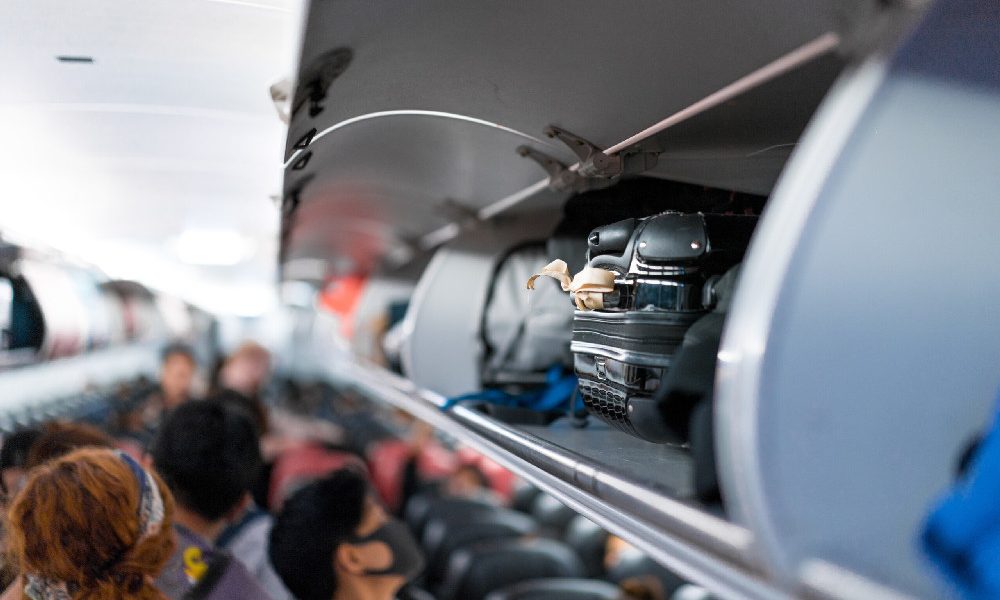
Investing in high-quality luggage is essential. Opt for bags that have secure locking mechanisms and are easily identifiable. Brightly colored straps or tags can help you quickly spot your bag in overhead compartments or baggage claim areas. If you notice any issues with your luggage, such as broken straps or locks, report them to the airline staff immediately.
Organizing Your Carry-On Bag
Your carry-on bag should contain essential items, but it’s wise to limit the number of valuables you bring onboard. Store less valuable items like snacks, toiletries, and reading materials in your overhead compartment, while keeping high-value items like your passport, wallet, and electronics close to you. A small, secure pouch worn under your clothing can be an excellent way to keep your most important belongings safe.
Utilizing Personal Item Storage Wisely
Most airlines allow passengers to bring a personal item in addition to their carry-on luggage. Use this opportunity to store items that you want to keep within reach during the flight. A backpack or a small tote can serve this purpose well. Ensure that this personal item has compartments to separate your valuables from other items, reducing the chance of misplacing something.
Keeping Valuables Close
One of the best ways to prevent losing items on a plane is to keep your valuables close at hand.
Using a Money Belt or Neck Pouch
Consider using a money belt or neck pouch to store your passport, credit cards, and cash. These accessories can be worn discreetly under your clothes, making it difficult for thieves to access your belongings without you noticing. Additionally, they can help you stay organized and ensure that your most important items are always within reach.
Creating a Personal Inventory
Before you board the plane, create a mental inventory of your belongings. Take note of what you have with you and where each item is stored. This practice can help you quickly identify if something is missing during the flight. When you arrive at your destination, double-check your inventory before leaving the airport.
Establishing a Routine
Developing a routine for managing your belongings can significantly reduce the chances of losing items. For example, designate specific pockets or compartments for your phone, wallet, and passport. Always return these items to their designated spots after use, so you know exactly where to find them when needed.
Staying Alert During the Flight
Remaining alert throughout your flight is crucial for safeguarding your belongings.
Observing Your Surroundings
Take the time to observe your surroundings and the people around you. If someone seems overly interested in your belongings or is acting suspiciously, trust your instincts and keep a closer watch on your items. Awareness of your environment can help you detect potential threats before they escalate.
Engaging with Cabin Crew
Don’t hesitate to engage with the cabin crew if you feel uncomfortable or notice suspicious behavior. They are trained to handle various situations and can assist you in maintaining a secure environment. Informing them about any concerns you have can also help them keep an eye out for potential issues.
Setting Up a Buddy System
If you’re traveling with friends or family, establish a buddy system to look out for each other’s belongings. Assign roles, such as one person monitoring the area while another retrieves items from overhead bins. This collaborative approach can enhance your overall security and reduce the risk of losing items.
What to Do If You Lose Something
Despite your best efforts, there may still be instances where you lose something during your flight. Knowing how to respond can make a significant difference.
Reporting the Loss Immediately
If you realize that you’ve lost something, report it to the cabin crew as soon as possible. According to the Montreal Convention, airlines are required to assist passengers who have lost items during international flights. Providing them with details about the lost item can increase the chances of recovery.
Filing a Police Report
In cases of theft, it’s essential to file a police report with local authorities. This documentation serves as proof of the loss and can be vital for insurance claims. Be sure to obtain a copy of the report for your records.
Understanding Your Insurance Coverage
Review your travel insurance policy to understand what is covered in the event of lost or stolen items. Many policies require you to provide evidence of ownership and value, so keep receipts and documentation for your belongings. Familiarize yourself with the claims process to ensure a smooth experience should you need to file a claim.
Conclusion
Traveling by plane doesn’t have to be a stressful experience when it comes to safeguarding your belongings. By understanding the risks, packing smartly, keeping valuables close, staying alert, and knowing how to respond if something goes missing, you can significantly reduce the chances of losing items during your journey. Remember, vigilance and preparation are key to enjoying a worry-free travel experience. Safe travels!