
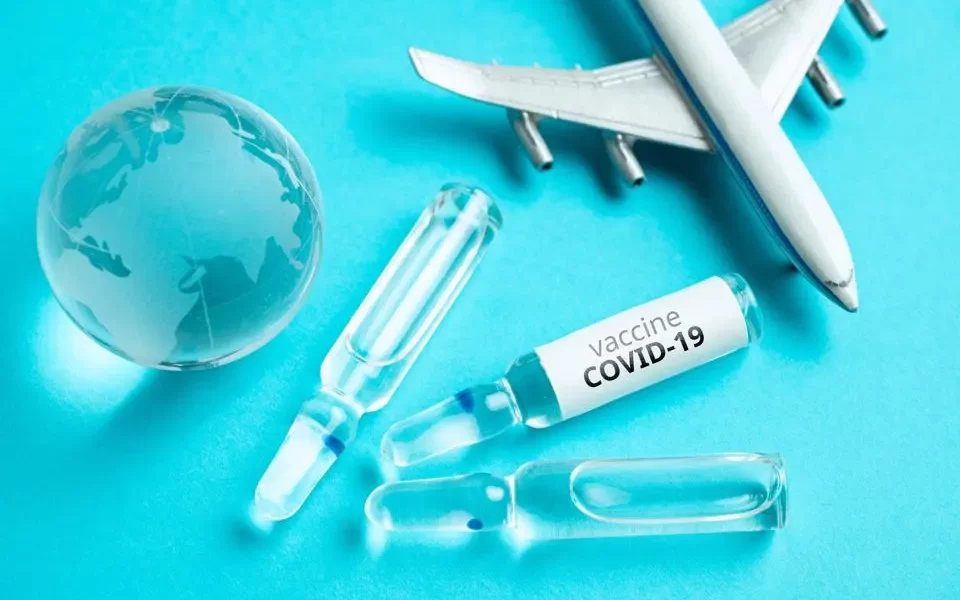
Vaccinations While Traveling in Vietnam are not just a precaution; they are essential for ensuring a safe and healthy travel experience. When embarking on an adventure to Vietnam, understanding the necessary vaccinations helps protect your health and that of local communities. This comprehensive guide will provide you with detailed insights into the importance of vaccinations, recommended vaccines, common diseases in Vietnam, malaria risk assessment, vaccination schedules, costs, where to get vaccinated, and health tips for staying safe while exploring this beautiful country.
Importance of Vaccinations for Travelers
Traveling opens up exciting opportunities, but it also presents potential health risks. Vaccinations play a vital role in safeguarding travelers against infectious diseases prevalent in different regions. In Vietnam, being aware of the necessary vaccinations is paramount for a healthy trip.
Protecting Personal Health
When traveling, your personal health should be your primary concern. Vaccinations act as a shield, preparing your immune system against diseases that may be present in the destination. For example, Hepatitis A can be contracted through contaminated food or water, which is why vaccination before your trip is crucial. Understanding your health status, including any pre-existing medical conditions, will help you gauge the importance of specific vaccinations. Some individuals may require additional vaccines based on their medical history, lifestyle, or activities planned during the trip.
Preventing Disease Spread
By getting vaccinated before your travels, you are not only protecting yourself, but you´re also playing a significant role in preventing disease transmission. Diseases can spread easily in crowded tourist spots, markets, and public transportation. Vaccinations contribute to herd immunity, which protects vulnerable populations who cannot receive vaccines due to medical reasons. Being a responsible traveler means considering how your health choices impact others. The more travelers that are vaccinated, the less likely outbreaks of diseases will occur in both the host country and your home country.
Meeting Entry Requirements
Some countries, including Vietnam, require certain vaccinations for entry, especially if arriving from regions where specific diseases are prevalent. The International Certificate of Vaccination or Prophylaxis (ICVP) may be requested upon arrival. Ensuring that you meet these requirements not only allows for smoother travel but also avoids potential fines or being denied entry. Researching the entry requirements for Vietnam ahead of your trip can save you time and stress. It reflects your respect for the local community and its health regulations, showcasing your commitment to responsible travel.
Recommended Vaccinations for Vietnam
Before setting off on your journey, it´s crucial to familiarize yourself with the recommended vaccinations. Vietnam has various endemic diseases, and some may pose higher risks depending on your travel itinerary.
Routine Vaccinations
Routine vaccinations are those that most travelers should have received during childhood. These vaccines include measles, mumps, rubella (MMR), diphtheria-tetanus-pertussis (DTP), polio, and varicella (chickenpox). Ensure you are up-to-date on these vaccines before traveling. Not only do routine vaccinations protect you during your visit to Vietnam, but they also help in reducing the chances of outbreaks, as some of these diseases can be severe.
Travel-Specific Vaccinations
In addition to routine vaccinations, specific vaccines are recommended for travelers heading to Vietnam. These may include Hepatitis A and B, typhoid fever, and Japanese encephalitis, among others. Hepatitis A is particularly important as it is transmitted through contaminated food and water. Typhoid fever spreads through similar channels, making vaccination a proactive measure for travelers planning to explore local cuisine. Japanese encephalitis is more common in rural areas, especially for those planning outdoor activities. Discuss with your healthcare provider which vaccinations are appropriate based on your travel plans and duration of stay.
Vaccinations Based on Activities
Your planned activities can significantly influence which vaccinations you should consider. If trekking in rural regions, hiking, or spending extended time in nature, certain vaccinations like Japanese encephalitis might be more relevant. Conversely, if primarily visiting urban centers, focusing on vaccines preventing food and waterborne diseases is prudent. Tailoring your vaccination choices based on your itinerary ensures you´re well-prepared and reduces your risk.
Common Diseases in Vietnam
Vietnam is home to several diseases that pose risks to travelers. Familiarizing yourself with these diseases will empower you to make informed health decisions during your trip.
Hepatitis A and B
Hepatitis A is a viral infection affecting the liver, often caused by contaminated water or food. It´s prevalent in Vietnam, particularly in rural areas with varying sanitation standards. Vaccination against Hepatitis A is crucial for all travelers. Symptoms range from mild flu-like symptoms to severe liver complications. Hepatitis B, transmitted through infectious body fluids, is another concern. High-risk activities or extended stays in medical facilities may increase risk. Vaccination for Hepatitis B is advisable for travelers with close contact with locals, such as healthcare workers or those staying long-term.
Typhoid Fever
Typhoid fever is another disease travelers need to be aware of. Caused by Salmonella Typhi, it´s typically transmitted through contaminated food or water. Symptoms include prolonged fever, weakness, abdominal pain, headache, and loss of appetite. Vaccination significantly reduces the risk; however, food safety practices remain essential.
Japanese Encephalitis
Japanese Encephalitis is a viral infection transmitted by mosquitoes, primarily in Southeast Asian rural areas. The risk increases for travelers spending extended time outdoors or near rice paddies. Vaccination is recommended for long-term travelers or those engaging in outdoor activities in endemic regions. Symptoms range from mild flu-like signs to severe neurological complications.
Malaria Risk Assessment
Malaria remains a considerable risk for travelers in specific regions of Vietnam. Understanding the risk and mitigation strategies are crucial.
Areas with High Malaria Transmission
Malaria risk varies across Vietnam, with higher rates in rural and border regions. Northern provinces like Lai Chau and Dien Bien have elevated risks. Coastal cities and urban areas generally have lower malaria rates. If traveling to high-risk areas, assess the likelihood of exposure. The World Health Organization provides resources and updates on malaria risk.
Precautions and Prophylaxis
Preventive measures for malaria are crucial for travelers to high-risk areas. Prophylactic medications, such as Malarone or doxycycline, may be recommended. Employing protective measures like long sleeves, insect repellent with DEET, and mosquito nets significantly reduce bite risk and infection risk.
Symptoms and Treatment
Recognizing malaria symptoms is life-saving. Signs include fever, chills, sweating, fatigue, nausea, vomiting, and headaches. If malaria is suspected, immediate medical attention is critical for early treatment. In Vietnam, malaria is treatable with antimalarial drugs, but resistance to some treatments is emerging.
Vaccination Schedule and Timing
Proper vaccination timing is essential for effective immunity.
Pre-Travel Consultation Timeline
Consult a healthcare provider or travel clinic at least 4-6 weeks before your trip to discuss necessary vaccinations. This timeframe allows adequate time for vaccines to take effect. Most vaccines require multiple doses, so early consultation is crucial.
Availability of Vaccines in Vietnam
While vaccines are available in Vietnam, getting vaccinated before departure is preferable. Major cities offer vaccination clinics; however, accessibility to remote areas can vary. Be cautious and verify clinic or hospital credibility.
Post-Travel Follow-Up Vaccinations
Some vaccines require boosters after returning home, while others need repetition after a certain period. Maintaining vaccination schedules and monitoring health is crucial. Consult with healthcare providers upon return to monitor health and address any concerns.
Vaccination Costs and Insurance Considerations
Understanding the costs is crucial for travel budgeting.
Cost of Vaccinations
Vaccination costs vary based on location, vaccine type, and provider. Routine vaccines may be covered by insurance, while travel-specific vaccines may involve out-of-pocket expenses. Comprehensive travel vaccinations can cost anywhere from a few hundred to over a thousand dollars, depending on factors such as consultation fees.
Travel Insurance Policies
Consider travel insurance covering vaccination costs or health emergencies during your trip. Some policies may reimburse vaccination expenses if required for entry to a foreign country. Carefully review travel insurance options, ensuring pre-existing conditions and vaccination-related care are covered.
Out-of-Pocket Expenses
Many vaccinations may not be fully covered by insurance. Budget for out-of-pocket expenses, particularly for travel-specific vaccines.
Where to Get Vaccinated Before Travel
Knowing where to get vaccinated is important.
Local Clinics and Hospitals
Many local clinics and hospitals offer vaccination services. Consult your primary care physician or community health departments for available options.
Specialized Travel Health Centers
Travel health centers specialize in vaccinations and travel health advice. Centers usually have experienced staff knowledgeable in global health concerns. Booking appointments allows comprehensive consultations.
Online Resources for Finding Vaccination Services
Online resources help locate vaccination services. Websites like the CDC, WHO, or local health departments often list approved vaccination sites.
Health Tips for Staying Healthy While Traveling
Beyond vaccinations, practicing healthy habits is crucial.
Food and Water Safety
Food and waterborne illnesses are common traveler risks in Vietnam. Consume bottled water, avoid tap water ice, and choose reputable restaurants. Eat freshly cooked meals to minimize risks.
Personal Hygiene Practices
Frequent handwashing with soap and water, and carrying hand sanitizer containing at least 60% alcohol, minimize illness risk.
Mosquito Bite Prevention
Protection from mosquito bites is vital in areas with mosquito-borne diseases. Wear long sleeves, use insect repellent containing DEET, and use mosquito nets.
Current Health Advisories and Updates
Staying informed about current health advisories is crucial.
Monitoring Disease Outbreaks
Monitor ongoing disease outbreaks in Vietnam by regularly checking websites like CDC or WHO for updates. Read local news outlets for advisories.
Official Health Resources
Utilize official health resources for preparation. Government health departments and international organizations provide advisories on vaccinations, disease prevention, and outbreaks.
Traveler Stories and Experiences
Connect with fellow travelers to gain practical insights. Online forums and travel blogs often share experiences regarding health issues.